
2026 Employer Health Benefits Survey
The KFF 2026 Employer Health Benefits Survey provides a comprehensive analysis of current trends in workplace health coverage.
The story
in brief.
What happened, who it affects, and why it landed on our intelligence desk — in plain English, sixty seconds or less.
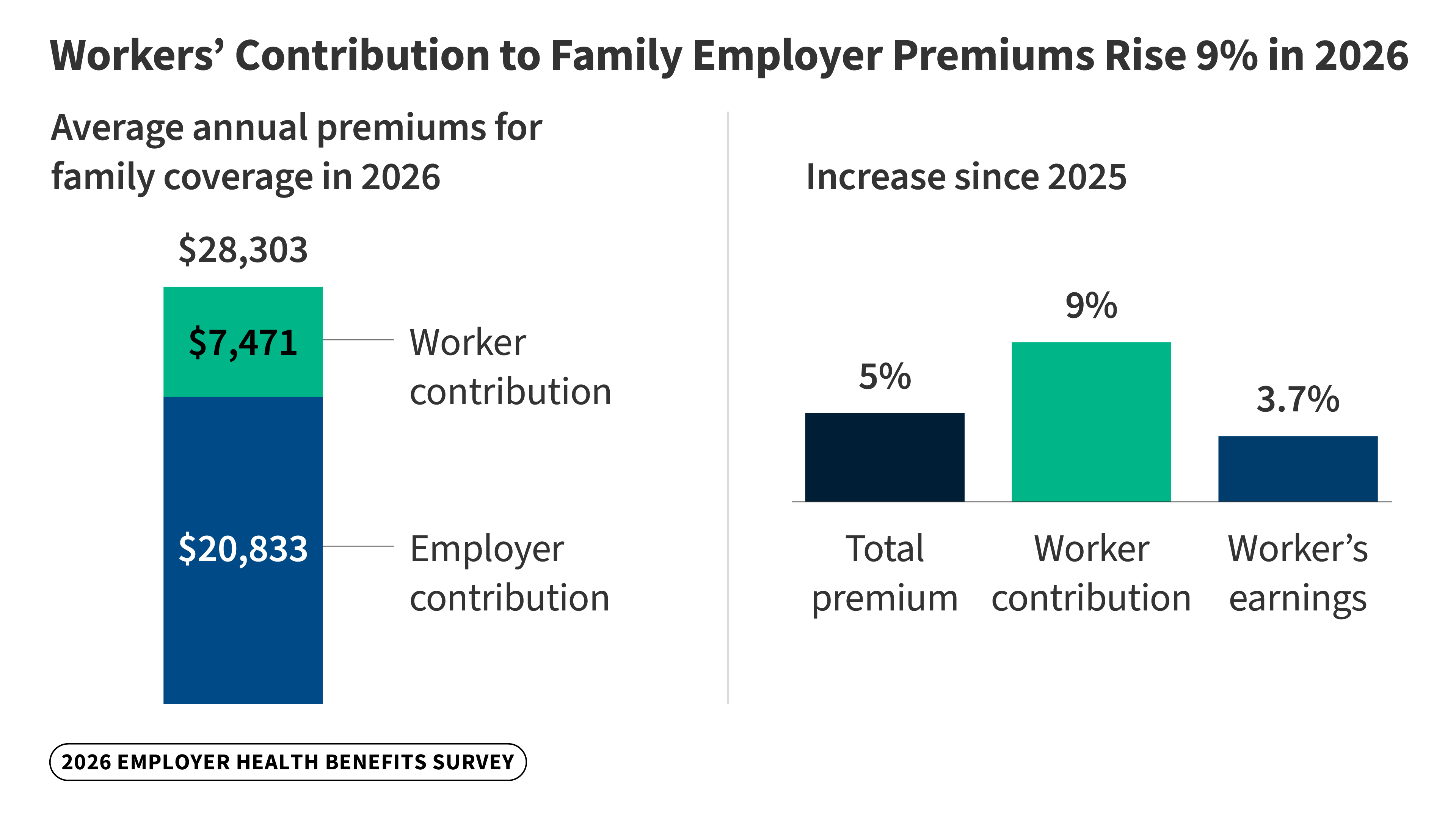
The KFF 2026 Employer Health Benefits Survey provides a comprehensive analysis of current trends in workplace health coverage. It details shifts in premium contributions, plan designs, and utilisation patterns across various industries. The report highlights how employers are adjusting strategies to manage rising costs while maintaining employee satisfaction. Key findings include changes in mental health support offerings and digital health integration. This data serves as a critical benchmark for organisations reviewing their benefits packages. It reflects broader economic pressures and evolving workforce expectations regarding holistic well-being. Professionals should note the increasing emphasis on preventive care and flexible spending options. The survey underscores the growing complexity of administering modern health benefits in a competitive labour market.
Indicative index of skill mentions in professional job postings for the field this story moves (2019 = 1)
What this means
for your career.
Every headline redistributes opportunity. Here is who this one rewards — and how to be on the right side of it.
This survey signals a strategic shift in how organisations value employee well-being. You must recognise that benefits administration is no longer purely administrative; it is a core talent retention lever. Professionals skilled in interpreting health data and designing cost-effective plans are increasingly valuable. If you work in human resources or operations, you should immediately review your organisation’s current offerings against these benchmarks. Consider upskilling in healthcare data analytics to demonstrate how you can optimise spend while improving outcomes. Employers seek candidates who can translate complex benefit data into actionable strategy. Position yourself as a strategic partner who understands the financial implications of health coverage. This expertise distinguishes you in senior roles where budget efficiency and employee satisfaction intersect. Proactively learn to navigate compliance and vendor negotiations.
For this story, the fields that convert it into pay are Human Resources, Healthcare Data Analytics, Finance and Accounting and Healthcare Management — exactly the programmes matched below. The chart shows the indicative salary uplift certified professionals report in each of those fields; every one of them is a click away, from £79, finishing in as few as 20 days.
Indicative ranges from published continuing-education salary studies, by field — each field is a recommended course below
Enrol in these
to benefit.
These programmes position you for exactly this shift — online, self-paced, and finishing with a verifiable certificate you can share the day you pass.
 Best match
Certificate in Human Resources
 Recommended
Certificate in Healthcare Data Analytics
 Recommended
Certificate in Finance and Accounting
Recommended
Certificate in Healthcare Management
Launch pricing shown against standard certificate value. The fee you see today is the fee you lock in.
This briefing is based on reporting by KFF on 22 Oct, 09:01. Read the original coverage →
Read the news. Then outrun it.
Every OnlineUni programme is online, self-paced and from £79 — so a headline today can be your credential this month.