
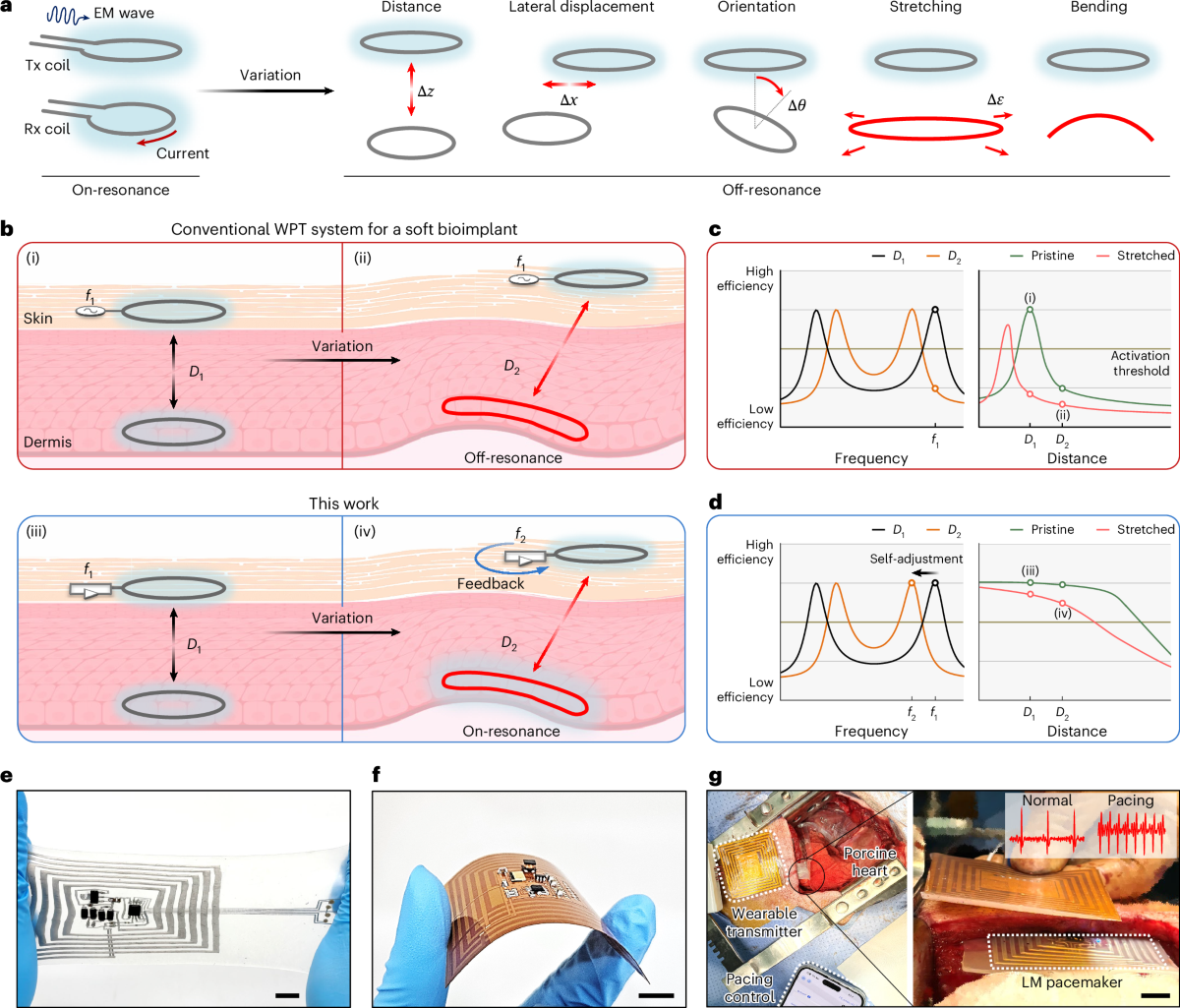
A wearable-to-implant wireless power transfer technology with variation tolerance
A recent Nature publication details a novel wireless power transfer technology bridging wearable devices and medical implants.
The story
in brief.
What happened, who it affects, and why it landed on our intelligence desk — in plain English, sixty seconds or less.
A recent Nature publication details a novel wireless power transfer technology bridging wearable devices and medical implants. The innovation specifically addresses variation tolerance, ensuring reliable energy transmission despite physical movement or alignment shifts. This advancement promises to enhance the efficacy and safety of implanted medical devices by eliminating battery replacement surgeries. For professionals, this signals a convergence of advanced materials science, biomedical engineering, and telecommunications. The research highlights a critical step towards seamless integration of external wearables with internal health monitoring systems, potentially transforming chronic disease management and patient care protocols through improved device longevity and performance.
Indicative index of skill mentions in professional job postings for the field this story moves (2019 = 1)
What this means
for your career.
Every headline redistributes opportunity. Here is who this one rewards — and how to be on the right side of it.
This development elevates the value of specialists in biomedical engineering, wireless communications, and regulatory compliance. If you work in healthcare technology, you must understand the intersection of hardware reliability and patient safety standards. Professionals in R&D should monitor emerging patents related to power transfer efficiency. A smart career move involves upskilling in signal processing or medical device certification processes. Consider collaborating with cross-functional teams to integrate these technologies into existing health monitoring ecosystems. Focus on understanding the clinical implications of continuous power supply for implants. This knowledge positions you to lead innovation in digital health, ensuring your expertise remains relevant as the industry shifts towards more integrated, non-invasive monitoring solutions.
For this story, the fields that convert it into pay are Engineering, Healthcare Management, Innovation and Artificial Intelligence — exactly the programmes matched below. The chart shows the indicative salary uplift certified professionals report in each of those fields; every one of them is a click away, from £79, finishing in as few as 20 days.
Indicative ranges from published continuing-education salary studies, by field — each field is a recommended course below
Enrol in these
to benefit.
These programmes position you for exactly this shift — online, self-paced, and finishing with a verifiable certificate you can share the day you pass.
 Best match
Certificate in Engineering
 Recommended
Certificate in Healthcare Management
 Recommended
Certificate in Innovation
 Recommended
Certificate in Artificial Intelligence
Launch pricing shown against standard certificate value. The fee you see today is the fee you lock in.
This briefing is based on reporting by Nature on 25 Sep, 09:33. Read the original coverage →
Read the news. Then outrun it.
Every OnlineUni programme is online, self-paced and from £79 — so a headline today can be your credential this month.