
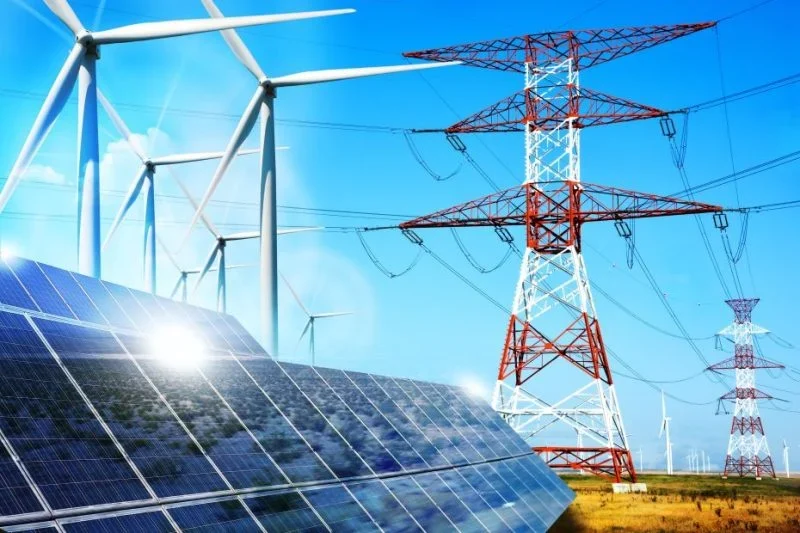
AI power demand, grid constraints reshaping global energy system: World Energy Council
The World Energy Council reports that surging electricity demand from artificial intelligence infrastructure is significantly straining global power grids.
The story
in brief.
What happened, who it affects, and why it landed on our intelligence desk — in plain English, sixty seconds or less.
The World Energy Council reports that surging electricity demand from artificial intelligence infrastructure is significantly straining global power grids. This pressure is accelerating a fundamental restructuring of the international energy system, as nations struggle to balance computational needs with existing capacity limits. Consequently, governments and utilities are urgently revising strategies to manage load, invest in generation, and modernise distribution networks. The report highlights that AI’s energy footprint is no longer a peripheral concern but a central driver reshaping policy, infrastructure investment, and operational priorities across the global energy sector, necessitating immediate attention from stakeholders.
Indicative index of skill mentions in professional job postings for the field this story moves (2019 = 1)
What this means
for your career.
Every headline redistributes opportunity. Here is who this one rewards — and how to be on the right side of it.
You must recognise that the intersection of technology and infrastructure is now a critical career frontier. Professionals in energy, engineering, and sustainability should prioritise skills in grid modernisation, renewable integration, and regulatory compliance. If you work in AI or data science, understanding energy efficiency and sustainable computing becomes essential to mitigate operational risks. Smart professionals will upskill in cross-disciplinary areas, blending technical expertise with strategic insight into power systems. Focus on certifications in energy management or sustainable tech to future-proof your role. Engage with industry groups discussing AI’s environmental impact, and advocate for efficient algorithms within your organisation. This shift rewards those who can bridge the gap between digital innovation and physical infrastructure constraints, positioning you as a vital asset in an increasingly energy-conscious market.
For this story, the fields that convert it into pay are AI in Energy, Sustainable Computing, Engineering and Sustainability management — exactly the programmes matched below. The chart shows the indicative salary uplift certified professionals report in each of those fields; every one of them is a click away, from £79, finishing in as few as 20 days.
Indicative ranges from published continuing-education salary studies, by field — each field is a recommended course below
Enrol in these
to benefit.
These programmes position you for exactly this shift — online, self-paced, and finishing with a verifiable certificate you can share the day you pass.
 Best match
Certificate in AI in Energy
 Recommended
Certificate in Sustainable Computing
 Recommended
Certificate in Engineering
 Recommended
Certificate in Sustainability management
Launch pricing shown against standard certificate value. The fee you see today is the fee you lock in.
This briefing is based on reporting by Gulf Business on 23 Sep, 07:47. Read the original coverage →
Read the news. Then outrun it.
Every OnlineUni programme is online, self-paced and from £79 — so a headline today can be your credential this month.