
AI predicts two new superconducting materials—and moves us closer to zero-loss energy
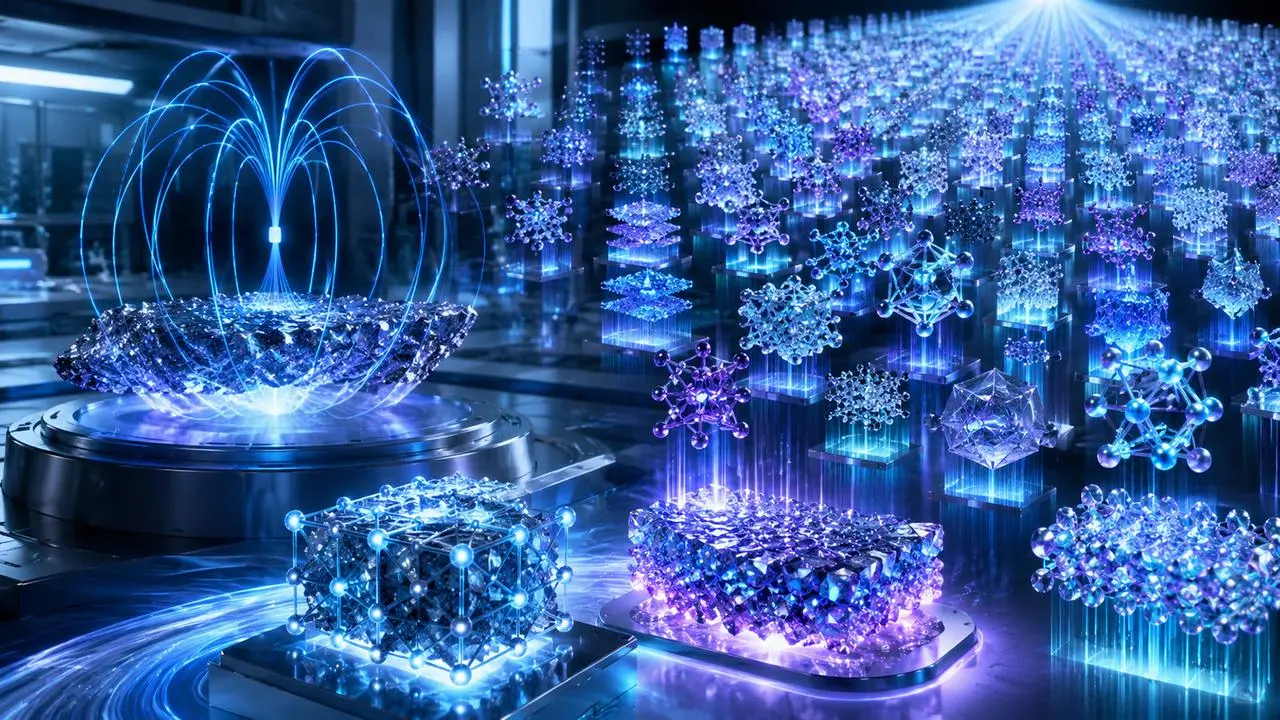
Recent research utilising artificial intelligence has successfully predicted the existence of two novel superconducting materials.
The story
in brief.
What happened, who it affects, and why it landed on our intelligence desk — in plain English, sixty seconds or less.
Recent research utilising artificial intelligence has successfully predicted the existence of two novel superconducting materials. This breakthrough significantly accelerates the path towards developing zero-loss energy transmission systems. By leveraging machine learning algorithms to screen potential compounds, scientists have identified candidates that could operate under more practical conditions than previously known superconductors. This development marks a pivotal step in materials science, demonstrating how computational methods can drastically reduce the time required for experimental discovery. The findings suggest that efficient, loss-free power grids may become technologically feasible sooner than anticipated, reshaping the landscape of sustainable energy infrastructure and industrial applications.
Indicative index of skill mentions in professional job postings for the field this story moves (2019 = 1)
What this means
for your career.
Every headline redistributes opportunity. Here is who this one rewards — and how to be on the right side of it.
This development signals a major shift in how materials are discovered, placing a premium on professionals who can bridge physics and data science. You should focus on acquiring skills in computational modelling and machine learning applications within engineering contexts. Roles in energy sector strategy and R&D will increasingly demand expertise in AI-driven discovery processes. Smart professionals will immediately begin upskilling in data analytics and materials informatics to stay relevant. You must understand how AI optimises experimental workflows, as this competency will differentiate you in the job market. Prioritise courses that teach you to interpret AI predictions in scientific settings, ensuring you can contribute to the next wave of energy innovation rather than merely observing it.
For this story, the fields that convert it into pay are AI in Energy, Artificial Intelligence, Data Science and Engineering — exactly the programmes matched below. The chart shows the indicative salary uplift certified professionals report in each of those fields; every one of them is a click away, from £79, finishing in as few as 20 days.
Indicative ranges from published continuing-education salary studies, by field — each field is a recommended course below
Enrol in these
to benefit.
These programmes position you for exactly this shift — online, self-paced, and finishing with a verifiable certificate you can share the day you pass.
 Best match
Certificate in AI in Energy
 Recommended
Certificate in Artificial Intelligence
 Recommended
Certificate in Data Science
 Recommended
Certificate in Engineering
Launch pricing shown against standard certificate value. The fee you see today is the fee you lock in.
This briefing is based on reporting by futura-sciences.com on 5 Sep, 19:33. Read the original coverage →
Read the news. Then outrun it.
Every OnlineUni programme is online, self-paced and from £79 — so a headline today can be your credential this month.