
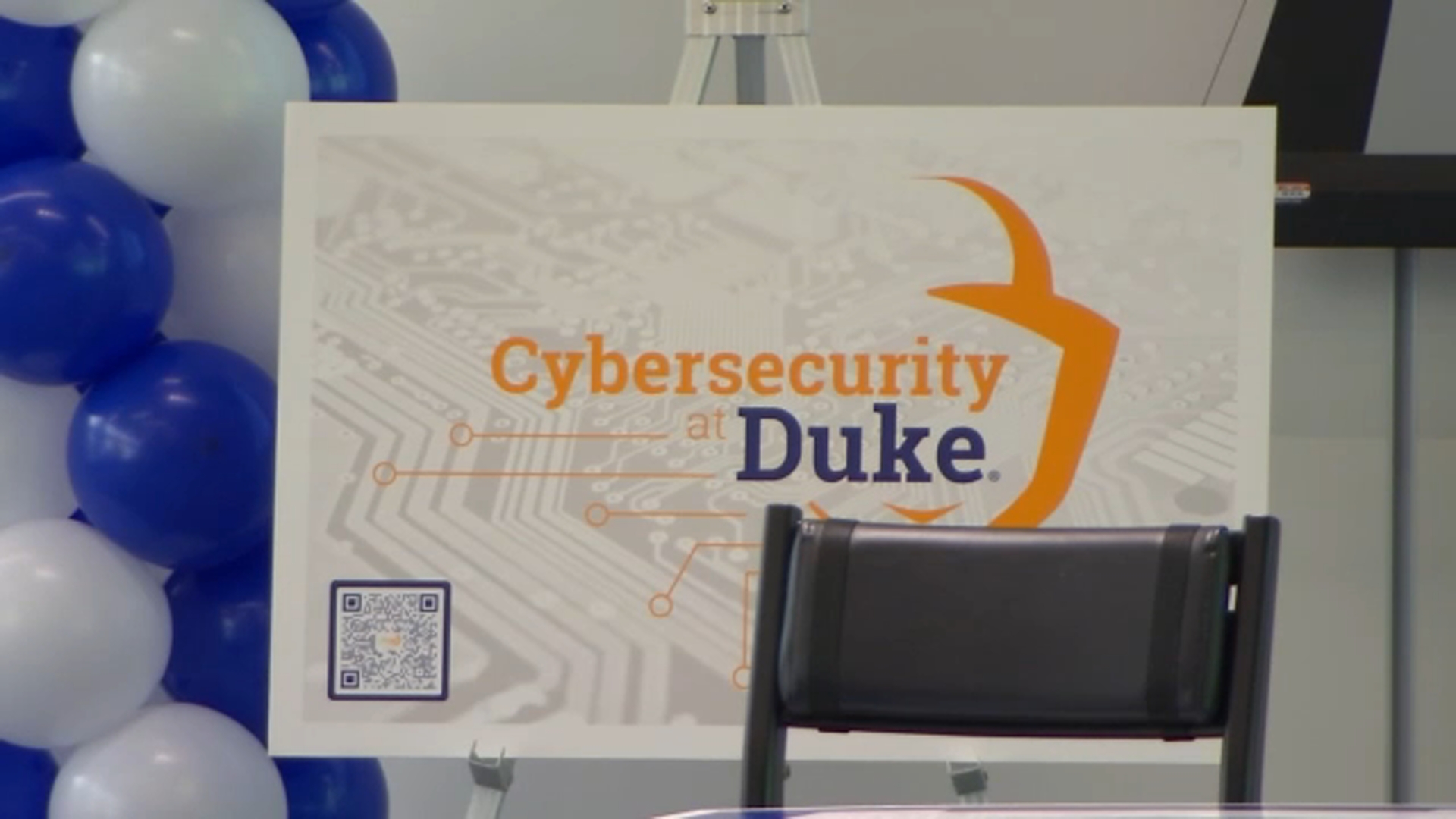
Artificial Intelligence is center stage in NC at the 2026 Cybersecurity conference at Duke University
Recent reporting highlights the pivotal role of artificial intelligence within the cybersecurity sector, as demonstrated at the 2026 Cybersecurity Conference held at Duke University in North Carolina.
The story
in brief.
What happened, who it affects, and why it landed on our intelligence desk — in plain English, sixty seconds or less.
Recent reporting highlights the pivotal role of artificial intelligence within the cybersecurity sector, as demonstrated at the 2026 Cybersecurity Conference held at Duke University in North Carolina. Industry leaders and experts gathered to examine how AI technologies are reshaping defensive strategies and threat detection mechanisms. The event underscores a significant industry shift, positioning AI not merely as an adjunct tool but as a central component of modern security infrastructure. This convergence signals an evolving professional landscape where technical proficiency in AI is increasingly inseparable from core cybersecurity competencies.
Indicative index of skill mentions in professional job postings for the field this story moves (2019 = 1)
What this means
for your career.
Every headline redistributes opportunity. Here is who this one rewards — and how to be on the right side of it.
This development signals that AI literacy is no longer optional for cybersecurity professionals; it is a prerequisite. You must now understand how AI augments threat detection and automates incident response. Roles focusing purely on traditional perimeter defence will diminish in value, while positions requiring hybrid skills in machine learning and security architecture will command premium salaries. You should immediately assess your current skill gap in AI applications. Prioritise upskilling in AI-driven security tools and strategic implementation. Do not merely learn to code; learn to manage AI risks within security frameworks. Start by auditing your daily workflows for automation opportunities. Engage with peers who are already integrating these technologies. Your next career move should involve demonstrating how you can leverage AI to enhance organisational resilience against sophisticated cyber threats.
For this story, the fields that convert it into pay are Cyber Security, AI in Cyber Security, Artificial Intelligence and Risk Management Strategies — exactly the programmes matched below. The chart shows the indicative salary uplift certified professionals report in each of those fields; every one of them is a click away, from £79, finishing in as few as 20 days.
Indicative ranges from published continuing-education salary studies, by field — each field is a recommended course below
Enrol in these
to benefit.
These programmes position you for exactly this shift — online, self-paced, and finishing with a verifiable certificate you can share the day you pass.
 Best match
Certificate in Cyber Security
 Recommended
Certificate in AI in Cyber Security
 Recommended
Certificate in Artificial Intelligence
 Recommended
Certificate in Risk Management Strategies
Launch pricing shown against standard certificate value. The fee you see today is the fee you lock in.
This briefing is based on reporting by ABC11 News on 18 Sep, 20:23. Read the original coverage →
Read the news. Then outrun it.
Every OnlineUni programme is online, self-paced and from £79 — so a headline today can be your credential this month.