
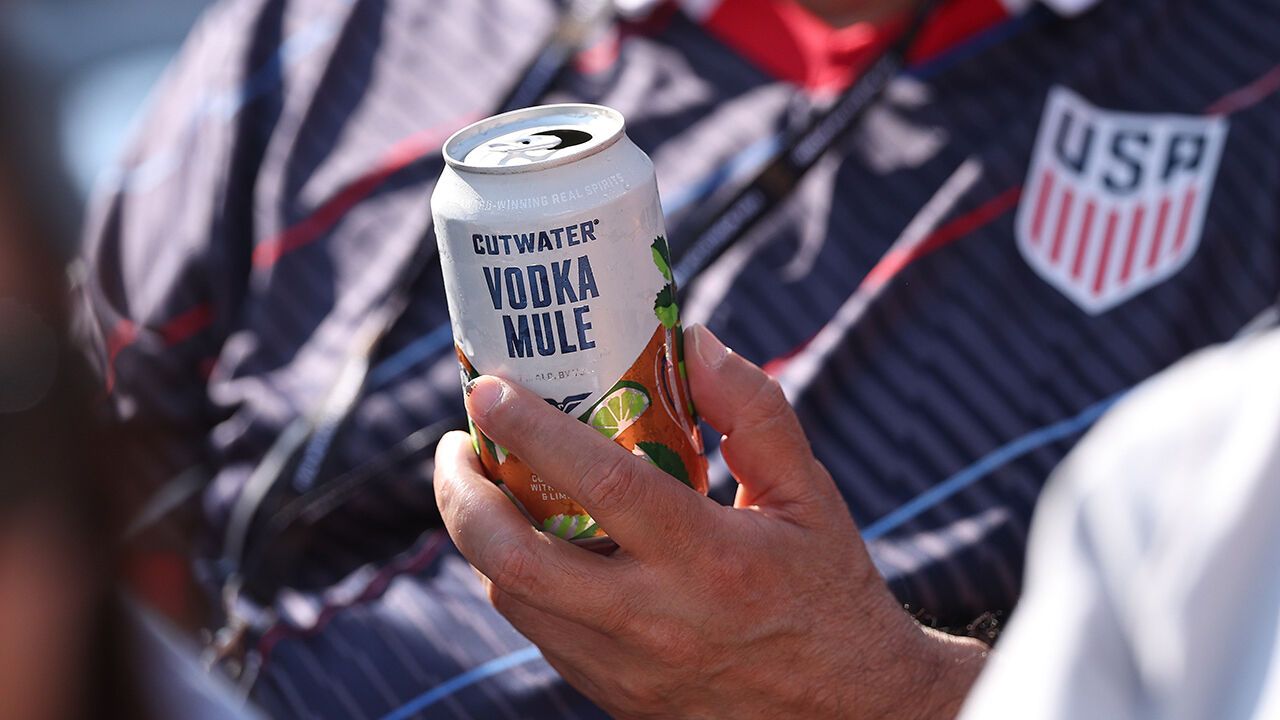
As booze sales fall, competition among drinks-makers intensifies
Global spirits sales are declining, prompting intensified competition among beverage manufacturers.
The story
in brief.
What happened, who it affects, and why it landed on our intelligence desk — in plain English, sixty seconds or less.
Global spirits sales are declining, prompting intensified competition among beverage manufacturers. The Economist reports that traditional growth models are faltering as consumer preferences shift, forcing producers to differentiate through innovation and aggressive market strategies. This contraction signals a structural change in the alcohol industry, where volume no longer guarantees profitability. Companies must now focus on premiumisation, emerging markets, and alternative consumption patterns to maintain margins. For industry observers, this marks a pivotal moment where operational efficiency and brand agility outweigh sheer production capacity, reshaping the competitive landscape for major drinks-makers worldwide.
Indicative index of skill mentions in professional job postings for the field this story moves (2019 = 1)
What this means
for your career.
Every headline redistributes opportunity. Here is who this one rewards — and how to be on the right side of it.
This market contraction demands immediate career adaptation. If you work in FMCG or beverages, traditional marketing skills are no longer sufficient. You must prioritise data-driven consumer insights to identify niche opportunities. Professionals should upskill in Digital Marketing and Strategic Marketing to craft compelling narratives for premium products. Additionally, mastering Supply Chain optimisation is crucial for maintaining margins amid volatile demand. Consider roles in product innovation or international expansion, where growth remains viable. A smart professional will leverage analytics to predict shifting tastes and advise on portfolio adjustments. Focus on building expertise in brand differentiation and cost efficiency. These skills will make you indispensable as companies pivot from volume-based growth to value-driven strategies in a saturated market.
For this story, the fields that convert it into pay are Digital Marketing, Strategic Marketing, Supply Chain and Business And Management — exactly the programmes matched below. The chart shows the indicative salary uplift certified professionals report in each of those fields; every one of them is a click away, from £79, finishing in as few as 20 days.
Indicative ranges from published continuing-education salary studies, by field — each field is a recommended course below
Enrol in these
to benefit.
These programmes position you for exactly this shift — online, self-paced, and finishing with a verifiable certificate you can share the day you pass.
 Best match
Certificate in Digital Marketing
 Recommended
Certificate in Strategic Marketing
 Recommended
Certificate in Supply Chain
Recommended
Certificate in Business And Management
Launch pricing shown against standard certificate value. The fee you see today is the fee you lock in.
This briefing is based on reporting by The Economist on 9 Sep, 20:42. Read the original coverage →
Read the news. Then outrun it.
Every OnlineUni programme is online, self-paced and from £79 — so a headline today can be your credential this month.