
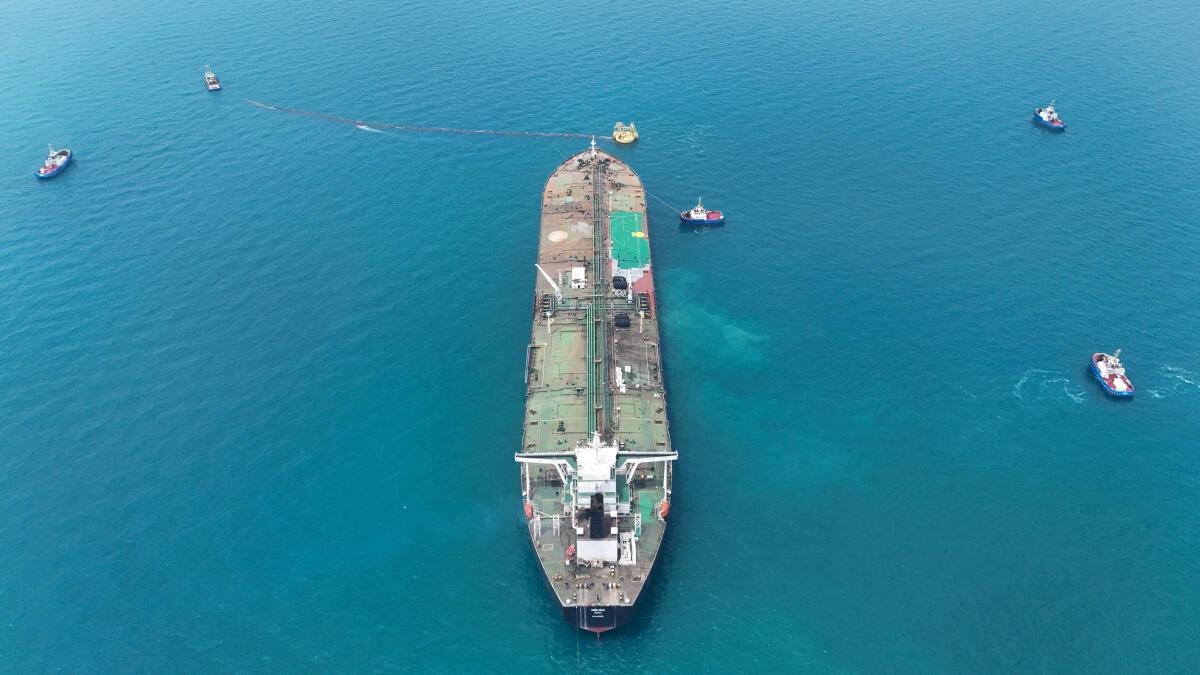
As conflicts disrupt shipping, India’s crude purchases show how fast it can adapt
Recent geopolitical conflicts have significantly disrupted global shipping routes, prompting India to rapidly adjust its crude oil procurement strategies.
The story
in brief.
What happened, who it affects, and why it landed on our intelligence desk — in plain English, sixty seconds or less.
Recent geopolitical conflicts have significantly disrupted global shipping routes, prompting India to rapidly adjust its crude oil procurement strategies. The report highlights how Indian buyers are swiftly diversifying sources and renegotiating contracts to mitigate supply chain vulnerabilities. This adaptation demonstrates a resilient approach to energy security amidst international instability. For professionals, this underscores the critical importance of agile sourcing and strategic foresight in volatile markets. The shift reflects broader trends where nations prioritise supply chain resilience over cost efficiency alone, requiring immediate attention from those involved in international trade and energy sectors.
Indicative index of skill mentions in professional job postings for the field this story moves (2019 = 1)
What this means
for your career.
Every headline redistributes opportunity. Here is who this one rewards — and how to be on the right side of it.
You must recognise that supply chain resilience is now a core competitive advantage. Professionals in logistics, procurement, and energy trading should prioritise skills in risk assessment and alternative sourcing strategies. If you work in these fields, immediately analyse how geopolitical shifts affect your current vendor networks. Develop contingency plans and invest in understanding global trade dynamics. Upskill in data analytics to predict disruptions faster. Leaders should foster agile decision-making cultures, enabling teams to pivot quickly when routes close. Do not wait for stability; build robustness now. Focus on mastering negotiation tactics for volatile markets and understanding international compliance frameworks. Your career longevity depends on your ability to navigate uncertainty with precision and strategic foresight.
For this story, the fields that convert it into pay are Supply Chain, Risk Management Strategies, Crisis Management and Maritime Logistics — exactly the programmes matched below. The chart shows the indicative salary uplift certified professionals report in each of those fields; every one of them is a click away, from £79, finishing in as few as 20 days.
Indicative ranges from published continuing-education salary studies, by field — each field is a recommended course below
Enrol in these
to benefit.
These programmes position you for exactly this shift — online, self-paced, and finishing with a verifiable certificate you can share the day you pass.
 Best match
Certificate in Supply Chain
 Recommended
Certificate in Risk Management Strategies
 Recommended
Certificate in Crisis Management
 Recommended
Certificate in Maritime Logistics
Launch pricing shown against standard certificate value. The fee you see today is the fee you lock in.
This briefing is based on reporting by The Hindu on 17 Oct, 14:40. Read the original coverage →
Read the news. Then outrun it.
Every OnlineUni programme is online, self-paced and from £79 — so a headline today can be your credential this month.