
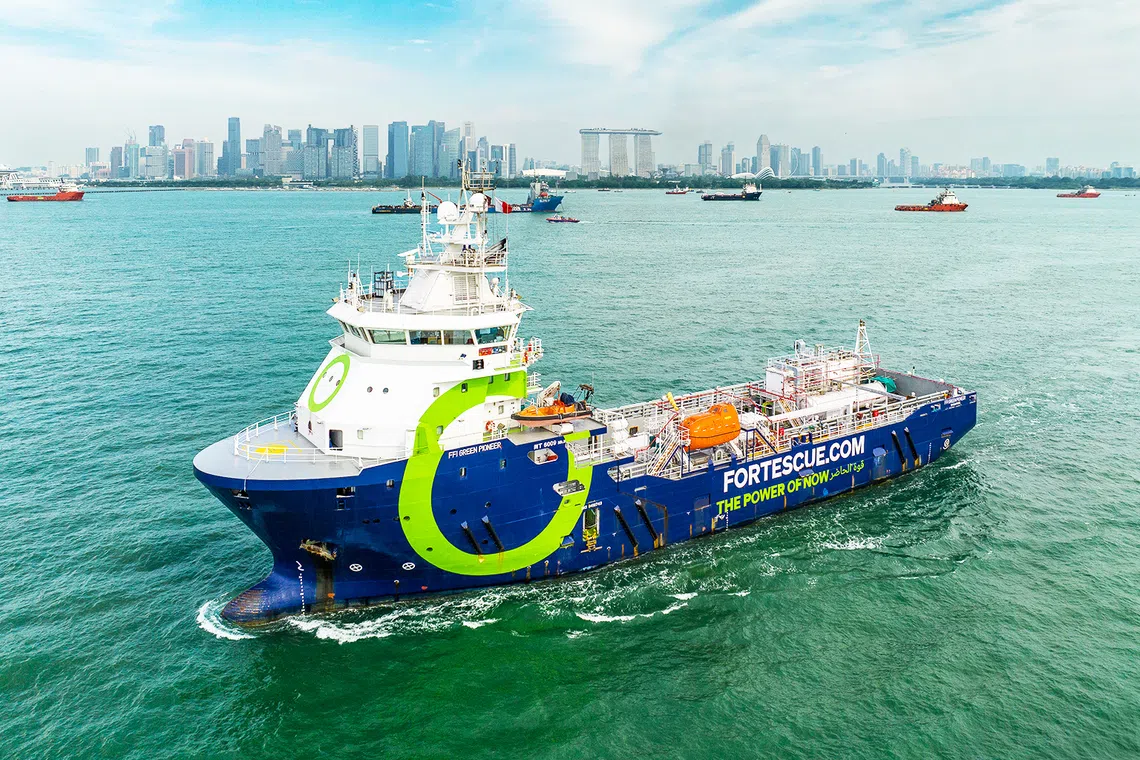
Autonomous vessels, cleaner fuels, new careers: Inside Singapore’s plan to keep its edge in shipping
Singapore is implementing a comprehensive strategy to maintain its competitive advantage in the global shipping sector.
The story
in brief.
What happened, who it affects, and why it landed on our intelligence desk — in plain English, sixty seconds or less.
Singapore is implementing a comprehensive strategy to maintain its competitive advantage in the global shipping sector. The initiative focuses on integrating autonomous vessel technologies and transitioning towards cleaner fuel alternatives. This dual approach aims to modernise maritime operations while addressing environmental sustainability goals. The plan highlights significant investments in digital infrastructure and green energy solutions within the port and logistics sectors. These developments signal a structural shift in the industry, moving away from traditional manual processes towards automated, eco-friendly systems. Professionals in maritime and logistics fields must observe these changes closely, as they redefine operational standards and regulatory requirements for international trade hubs.
Indicative index of skill mentions in professional job postings for the field this story moves (2019 = 1)
What this means
for your career.
Every headline redistributes opportunity. Here is who this one rewards — and how to be on the right side of it.
This shift demands immediate attention from maritime professionals. Your career trajectory now depends on mastering digital automation and sustainability frameworks. Traditional navigation skills are insufficient; you must understand autonomous systems and alternative fuel technologies. Upskill in data analytics to manage complex vessel telemetry and in regulatory compliance for green shipping standards. Smart professionals will pivot towards roles bridging engineering and logistics, focusing on implementing these new technologies. Do not ignore the rise of cyber security risks associated with connected vessels. Prioritise certifications in maritime logistics and sustainability management. Adapt now to lead in this transformed landscape, or risk obsolescence as the industry automates its core operations and decarbonises its fuel supply chains rapidly.
For this story, the fields that convert it into pay are Maritime Logistics, Sustainability management, Cyber Security and AI in Energy — exactly the programmes matched below. The chart shows the indicative salary uplift certified professionals report in each of those fields; every one of them is a click away, from £79, finishing in as few as 20 days.
Indicative ranges from published continuing-education salary studies, by field — each field is a recommended course below
Enrol in these
to benefit.
These programmes position you for exactly this shift — online, self-paced, and finishing with a verifiable certificate you can share the day you pass.
 Best match
Certificate in Maritime Logistics
 Recommended
Certificate in Sustainability management
 Recommended
Certificate in Cyber Security
 Recommended
Certificate in AI in Energy
Launch pricing shown against standard certificate value. The fee you see today is the fee you lock in.
This briefing is based on reporting by The Straits Times on 22 Sep, 20:00. Read the original coverage →
Read the news. Then outrun it.
Every OnlineUni programme is online, self-paced and from £79 — so a headline today can be your credential this month.