
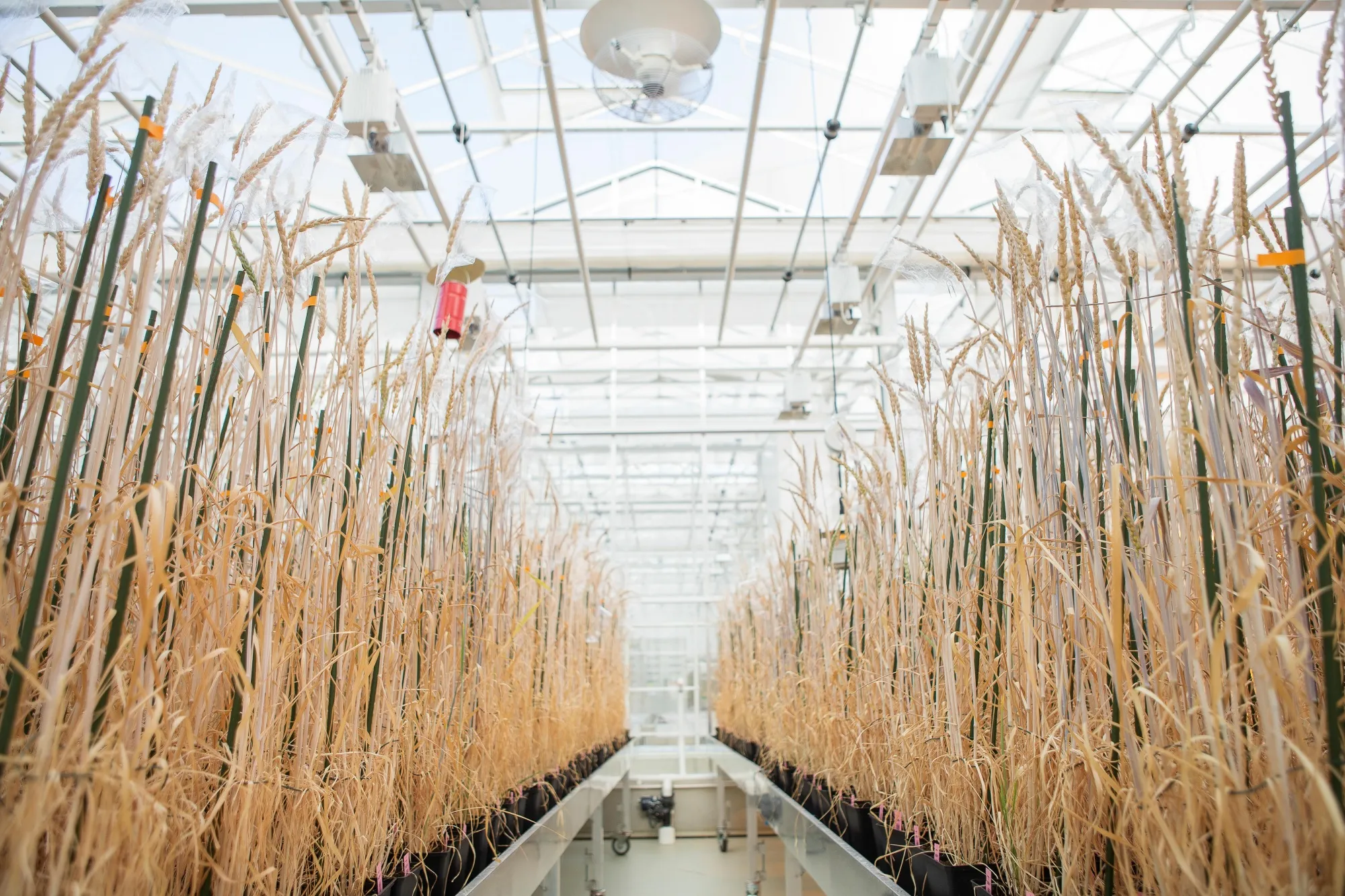
Bayer Bets on Editing Grains’ DNA to Curb Fertilizer Use
Bayer is investing in genetic editing technologies to modify crop DNA, aiming to significantly reduce agricultural reliance on synthetic fertilisers.
The story
in brief.
What happened, who it affects, and why it landed on our intelligence desk — in plain English, sixty seconds or less.
Bayer is investing in genetic editing technologies to modify crop DNA, aiming to significantly reduce agricultural reliance on synthetic fertilisers. This strategic move targets environmental sustainability by enhancing plant efficiency and nutrient uptake. The initiative reflects a broader industry shift towards biotechnological solutions for food security and ecological balance. For professionals, this signals a convergence of advanced biology, agronomy, and corporate sustainability strategies, marking a pivotal moment in how major chemical and agricultural corporations approach production methods and regulatory compliance.
Indicative index of skill mentions in professional job postings for the field this story moves (2019 = 1)
What this means
for your career.
Every headline redistributes opportunity. Here is who this one rewards — and how to be on the right side of it.
You should recognise that expertise at the intersection of biotechnology and sustainable agriculture is rapidly becoming a premium asset. Roles in regulatory compliance, R&D management, and sustainability strategy will see increased demand as companies navigate complex ethical and legal landscapes. If you work in agribusiness, biotech, or environmental policy, upskill in genomic data analysis and sustainability reporting. Professionals in traditional farming sectors must understand these technological shifts to remain relevant. Focus on acquiring knowledge in genetic engineering principles and environmental impact assessment. This is not merely a scientific trend but a fundamental restructuring of supply chain ethics and operational efficiency. Stay ahead by mastering the regulatory frameworks governing gene-edited crops and developing strategies for sustainable resource management.
For this story, the fields that convert it into pay are Sustainability management, AI in Agriculture, Compliance And Governance and Data Science — exactly the programmes matched below. The chart shows the indicative salary uplift certified professionals report in each of those fields; every one of them is a click away, from £79, finishing in as few as 20 days.
Indicative ranges from published continuing-education salary studies, by field — each field is a recommended course below
Enrol in these
to benefit.
These programmes position you for exactly this shift — online, self-paced, and finishing with a verifiable certificate you can share the day you pass.
 Best match
Certificate in Sustainability management
 Recommended
Certificate in AI in Agriculture
 Recommended
Certificate in Compliance And Governance
 Recommended
Certificate in Data Science
Launch pricing shown against standard certificate value. The fee you see today is the fee you lock in.
This briefing is based on reporting by Bloomberg.com on 29 Oct, 15:00. Read the original coverage →
Read the news. Then outrun it.
Every OnlineUni programme is online, self-paced and from £79 — so a headline today can be your credential this month.