
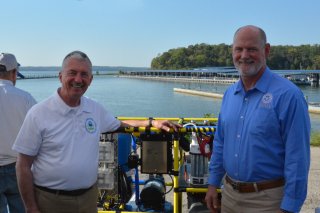
Beyond Bottled Water: EPA Showcases Technology That Provides Safe Drinking Water to Disaster-Hit Areas
The US Environmental Protection Agency has highlighted innovative technologies designed to deliver safe drinking water to regions affected by natural disasters.
The story
in brief.
What happened, who it affects, and why it landed on our intelligence desk — in plain English, sixty seconds or less.
The US Environmental Protection Agency has highlighted innovative technologies designed to deliver safe drinking water to regions affected by natural disasters. This initiative moves beyond traditional reliance on bottled water, showcasing advanced purification and distribution methods. The report details how these solutions enhance emergency response capabilities, ensuring immediate access to potable water during crises. For professionals, this signals a shift towards sustainable, tech-driven infrastructure in disaster management. The EPA’s endorsement suggests growing federal support for such systems, indicating potential expansion in public sector contracts and private sector partnerships focused on environmental resilience and emergency preparedness.
Indicative index of skill mentions in professional job postings for the field this story moves (2019 = 1)
What this means
for your career.
Every headline redistributes opportunity. Here is who this one rewards — and how to be on the right side of it.
This development elevates the strategic value of Crisis Management and Engineering skills. As governments prioritise resilient infrastructure, professionals who understand both technical water purification systems and emergency logistics will find increased demand. You should pay attention if you work in public sector consulting, environmental engineering, or humanitarian aid. A smart professional would immediately upskill in Crisis Management to understand rapid deployment protocols. Simultaneously, deepen your knowledge of Engineering principles related to water treatment. Consider obtaining certifications in these areas to position yourself for roles in disaster response planning. This shift indicates that technical expertise combined with operational agility is now a critical differentiator in securing high-impact projects.
For this story, the fields that convert it into pay are Crisis Management, Engineering, Public Administration and Occupational Health And Safety — exactly the programmes matched below. The chart shows the indicative salary uplift certified professionals report in each of those fields; every one of them is a click away, from £79, finishing in as few as 20 days.
Indicative ranges from published continuing-education salary studies, by field — each field is a recommended course below
Enrol in these
to benefit.
These programmes position you for exactly this shift — online, self-paced, and finishing with a verifiable certificate you can share the day you pass.
 Best match
Certificate in Crisis Management
 Recommended
Certificate in Engineering
 Recommended
Certificate in Public Administration
 Recommended
Certificate in Occupational Health And Safety
Launch pricing shown against standard certificate value. The fee you see today is the fee you lock in.
This briefing is based on reporting by U.S. Environmental Protection Agency (.gov) on 18 Sep, 20:24. Read the original coverage →
Read the news. Then outrun it.
Every OnlineUni programme is online, self-paced and from £79 — so a headline today can be your credential this month.