
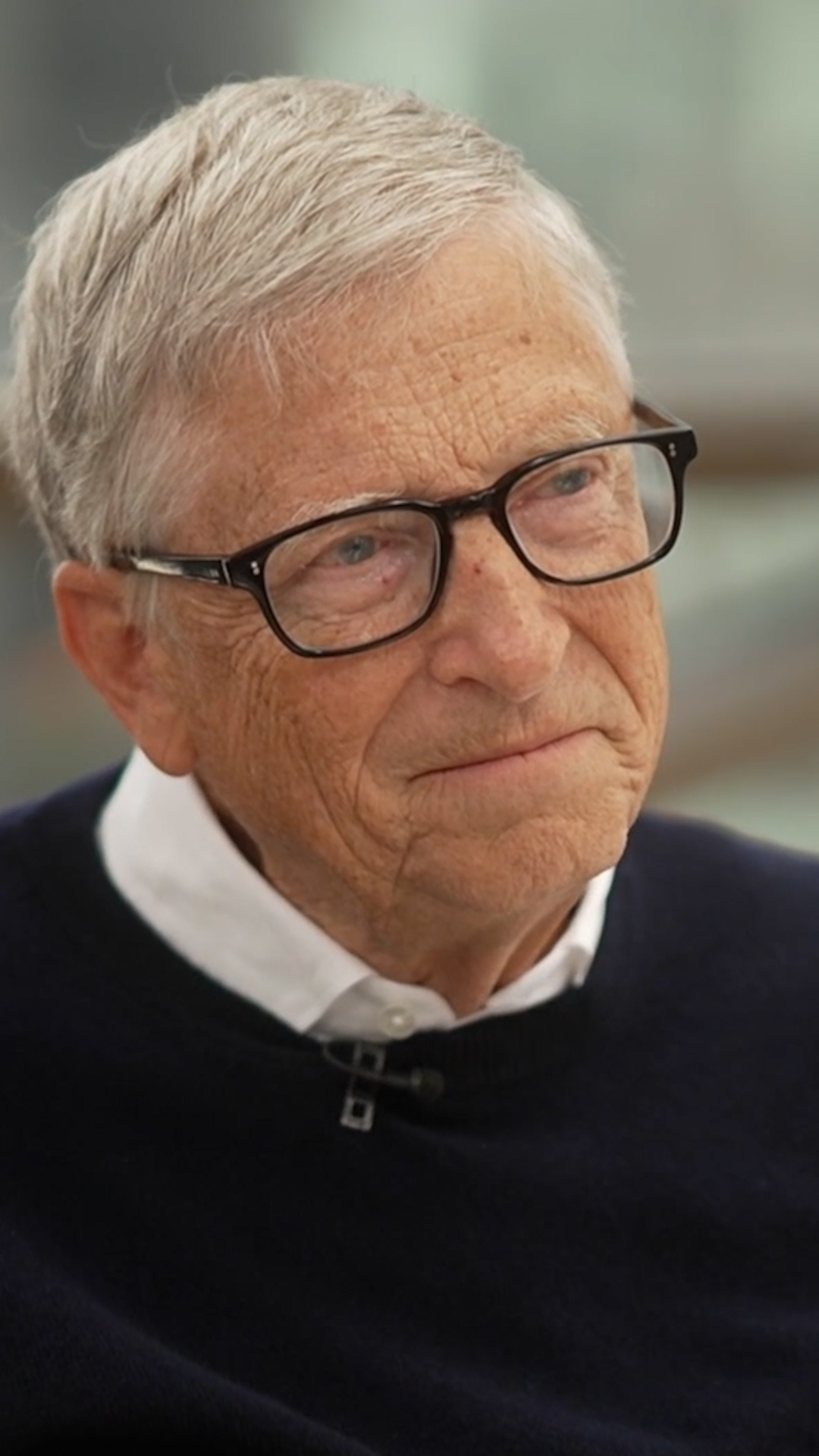
Bill Gates says he avoids this use of AI
Bill Gates has publicly stated that he deliberately avoids using artificial intelligence for specific applications of artificial intelligence, particularly for tasks requiring deep reasoning or complex problem-solving.
The story
in brief.
What happened, who it affects, and why it landed on our intelligence desk — in plain English, sixty seconds or less.
Bill Gates has publicly stated that he deliberately avoids using artificial intelligence for specific applications of artificial intelligence, particularly for tasks requiring deep reasoning or complex problem-solving. The tech billionaire argues that current AI models often hallucinate or provide incorrect information, making them unreliable for critical decision-making processes. Instead, he advocates for a cautious approach, suggesting professionals should verify AI outputs rigorously rather than accepting them at face value. This perspective highlights the ongoing debate regarding the limitations of generative AI in professional environments, urging users to maintain human oversight and critical evaluation when integrating these tools into their daily workflows and strategic planning.
Indicative index of skill mentions in professional job postings for the field this story moves (2019 = 1)
What this means
for your career.
Every headline redistributes opportunity. Here is who this one rewards — and how to be on the right side of it.
This stance signals that critical thinking remains your most valuable asset. As AI becomes ubiquitous, the ability to discern accurate information from plausible falsehoods will define top performers. You must prioritise skills in verification, logical reasoning, and domain expertise over mere prompt engineering. Managers should pay close attention, ensuring teams understand AI’s limitations to prevent costly errors. A smart professional would immediately audit their current AI usage, establishing strict validation protocols for any output used in decision-making. Invest in courses that sharpen analytical rigour rather than just tool proficiency. By mastering the art of questioning AI results, you position yourself as a trusted advisor who leverages technology responsibly, ensuring reliability and integrity in your work output.
For this story, the fields that convert it into pay are AI Strategy, Artificial Intelligence, Data Science and Leadership — exactly the programmes matched below. The chart shows the indicative salary uplift certified professionals report in each of those fields; every one of them is a click away, from £79, finishing in as few as 20 days.
Indicative ranges from published continuing-education salary studies, by field — each field is a recommended course below
Enrol in these
to benefit.
These programmes position you for exactly this shift — online, self-paced, and finishing with a verifiable certificate you can share the day you pass.
 Best match
Certificate in AI Strategy
 Recommended
Certificate in Artificial Intelligence
 Recommended
Certificate in Data Science
 Recommended
Certificate in Leadership
Launch pricing shown against standard certificate value. The fee you see today is the fee you lock in.
This briefing is based on reporting by NBC News on 26 Sep, 17:00. Read the original coverage →
Read the news. Then outrun it.
Every OnlineUni programme is online, self-paced and from £79 — so a headline today can be your credential this month.