
Biodiversity in production forests: Both costs and benefits shape the financial picture
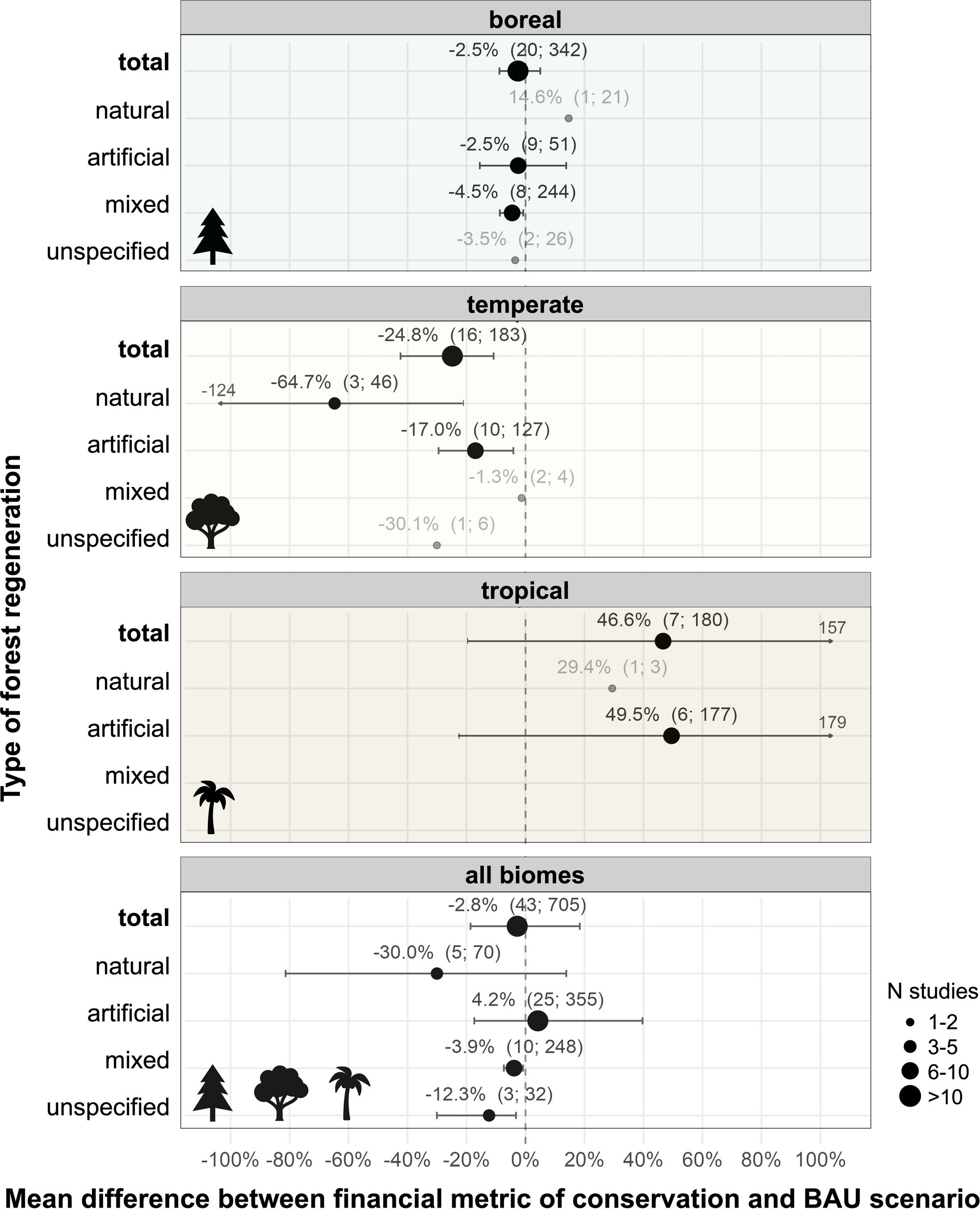
Recent analysis indicates that integrating biodiversity into production forests creates a complex financial landscape defined by competing costs and benefits.
The story
in brief.
What happened, who it affects, and why it landed on our intelligence desk — in plain English, sixty seconds or less.
Recent analysis indicates that integrating biodiversity into production forests creates a complex financial landscape defined by competing costs and benefits. While conservation measures incur immediate expenses, they offer long-term ecological stability and potential revenue streams. The report highlights that traditional forestry models often overlook these nuanced economic factors. Professionals must now evaluate how environmental stewardship influences profitability, recognising that sustainable practices are no longer optional but integral to financial viability. This shift demands a balanced approach to resource management, ensuring that ecological health supports, rather than hinders, economic objectives in the timber and forestry sectors.
Indicative index of skill mentions in professional job postings for the field this story moves (2019 = 1)
What this means
for your career.
Every headline redistributes opportunity. Here is who this one rewards — and how to be on the right side of it.
This development signals a critical shift for professionals in forestry, agriculture, and environmental consulting. You must now master the intersection of ecological science and financial analysis. Skills in sustainability management and risk assessment rise in value, as stakeholders demand transparent data on environmental impact. If you work in supply chain or corporate strategy, pay close attention to regulatory pressures and consumer preferences driving this change. A smart professional would immediately upskill in carbon accounting and biodiversity metrics. Integrate these insights into your current projects to demonstrate strategic foresight. By bridging the gap between ecological data and financial outcomes, you position yourself as an indispensable advisor capable of navigating the complexities of modern sustainable production.
For this story, the fields that convert it into pay are Sustainability management, Risk Management Strategies, Supply Chain and Finance and Accounting — exactly the programmes matched below. The chart shows the indicative salary uplift certified professionals report in each of those fields; every one of them is a click away, from £79, finishing in as few as 20 days.
Indicative ranges from published continuing-education salary studies, by field — each field is a recommended course below
Enrol in these
to benefit.
These programmes position you for exactly this shift — online, self-paced, and finishing with a verifiable certificate you can share the day you pass.
 Best match
Certificate in Sustainability management
 Recommended
Certificate in Risk Management Strategies
Recommended
Certificate in Supply Chain
 Recommended
Certificate in Finance and Accounting
Launch pricing shown against standard certificate value. The fee you see today is the fee you lock in.
This briefing is based on reporting by Phys.org on 25 Sep, 00:00. Read the original coverage →
Read the news. Then outrun it.
Every OnlineUni programme is online, self-paced and from £79 — so a headline today can be your credential this month.