
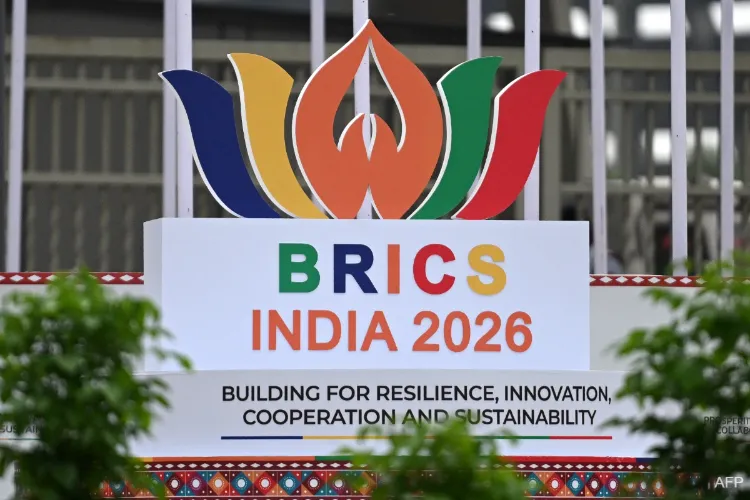
BRICS finance chiefs push financial cooperation, IMF, World Bank reforms
Finance ministers from BRICS nations have convened to advance deeper financial cooperation among member states.
The story
in brief.
What happened, who it affects, and why it landed on our intelligence desk — in plain English, sixty seconds or less.
Finance ministers from BRICS nations have convened to advance deeper financial cooperation among member states. Key discussions focused on reforming the International Monetary Fund and World Bank to better reflect emerging economies' interests. The group aims to strengthen alternative financial mechanisms and enhance policy coordination. This initiative signals a significant shift in global economic governance, potentially reducing reliance on Western-dominated institutions. Professionals should note the growing emphasis on multilateral frameworks and the evolving landscape of international finance policy.
Indicative index of skill mentions in professional job postings for the field this story moves (2019 = 1)
What this means
for your career.
Every headline redistributes opportunity. Here is who this one rewards — and how to be on the right side of it.
This development signals a structural shift in global finance, creating demand for experts who understand emerging markets and multilateral institutions. You should focus on international regulatory frameworks and cross-border financial systems. Professionals in banking, compliance, and economic policy must now navigate complex geopolitical dynamics. Upskill in international trade law and emerging market analysis to stay relevant. Monitor policy changes in BRICS nations to anticipate market trends. Networking with peers in international development and finance will provide critical insights. Adapt your strategy to include non-Western financial instruments and understand the implications of IMF reforms on global investment flows. Position yourself as a bridge between traditional and emerging financial systems.
For this story, the fields that convert it into pay are Finance and Accounting, Law, Public Administration and Risk Management Strategies — exactly the programmes matched below. The chart shows the indicative salary uplift certified professionals report in each of those fields; every one of them is a click away, from £79, finishing in as few as 20 days.
Indicative ranges from published continuing-education salary studies, by field — each field is a recommended course below
Enrol in these
to benefit.
These programmes position you for exactly this shift — online, self-paced, and finishing with a verifiable certificate you can share the day you pass.
 Best match
Certificate in Finance and Accounting
 Recommended
Certificate in Law
 Recommended
Certificate in Public Administration
 Recommended
Certificate in Risk Management Strategies
Launch pricing shown against standard certificate value. The fee you see today is the fee you lock in.
This briefing is based on reporting by Awaz The Voice on 12 Sep, 07:55. Read the original coverage →
Read the news. Then outrun it.
Every OnlineUni programme is online, self-paced and from £79 — so a headline today can be your credential this month.