
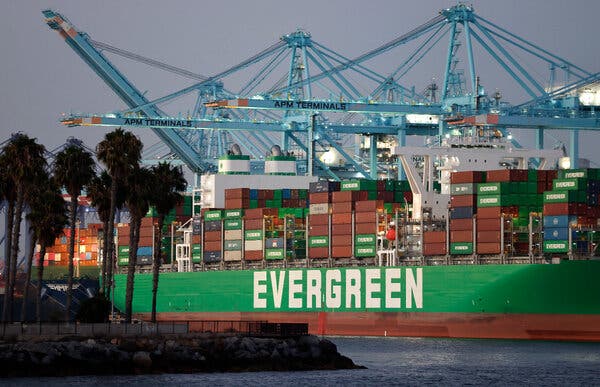
China and the U.S. Pledge to Cut Tariffs on $60 Billion in Goods
The United States and China have announced a mutual agreement to reduce tariffs on approximately $60 billion worth of goods.
The story
in brief.
What happened, who it affects, and why it landed on our intelligence desk — in plain English, sixty seconds or less.
The United States and China have announced a mutual agreement to reduce tariffs on approximately $60 billion worth of goods. This development signals a potential de-escalation in ongoing trade tensions between the world’s two largest economies. The reduction aims to lower costs for businesses and consumers across both nations. While political rhetoric may persist, this practical step suggests a willingness to engage in constructive economic dialogue. Professionals should monitor subsequent policy details, as these changes could influence global supply chain dynamics, cross-border investment flows, and international trade regulations in the near term.
Indicative index of skill mentions in professional job postings for the field this story moves (2019 = 1)
What this means
for your career.
Every headline redistributes opportunity. Here is who this one rewards — and how to be on the right side of it.
This shift demands your immediate attention. Stabilising trade relations reduces uncertainty, making cross-border logistics and international finance far more attractive. You should prioritise skills in global supply chain optimisation and international trade compliance. If you work in procurement or logistics, anticipate increased volume and complexity; upskill in risk management to navigate residual geopolitical nuances. Finance professionals must refine models to reflect lower tariff impacts on margins. Do not wait for full implementation. Review your current projects for exposure to US-China trade flows. Adapt your strategies to capitalise on lower input costs. Demonstrate agility by integrating these changes into your strategic planning. Position yourself as a leader who understands the intersection of policy and profit. Your ability to translate macroeconomic shifts into operational advantages will define your next career move.
For this story, the fields that convert it into pay are Supply Chain, Finance and Accounting, Risk Management Strategies and Compliance And Governance — exactly the programmes matched below. The chart shows the indicative salary uplift certified professionals report in each of those fields; every one of them is a click away, from £79, finishing in as few as 20 days.
Indicative ranges from published continuing-education salary studies, by field — each field is a recommended course below
Enrol in these
to benefit.
These programmes position you for exactly this shift — online, self-paced, and finishing with a verifiable certificate you can share the day you pass.
 Best match
Certificate in Supply Chain
 Recommended
Certificate in Finance and Accounting
 Recommended
Certificate in Risk Management Strategies
 Recommended
Certificate in Compliance And Governance
Launch pricing shown against standard certificate value. The fee you see today is the fee you lock in.
This briefing is based on reporting by The New York Times on 29 Sep, 02:30. Read the original coverage →
Read the news. Then outrun it.
Every OnlineUni programme is online, self-paced and from £79 — so a headline today can be your credential this month.