
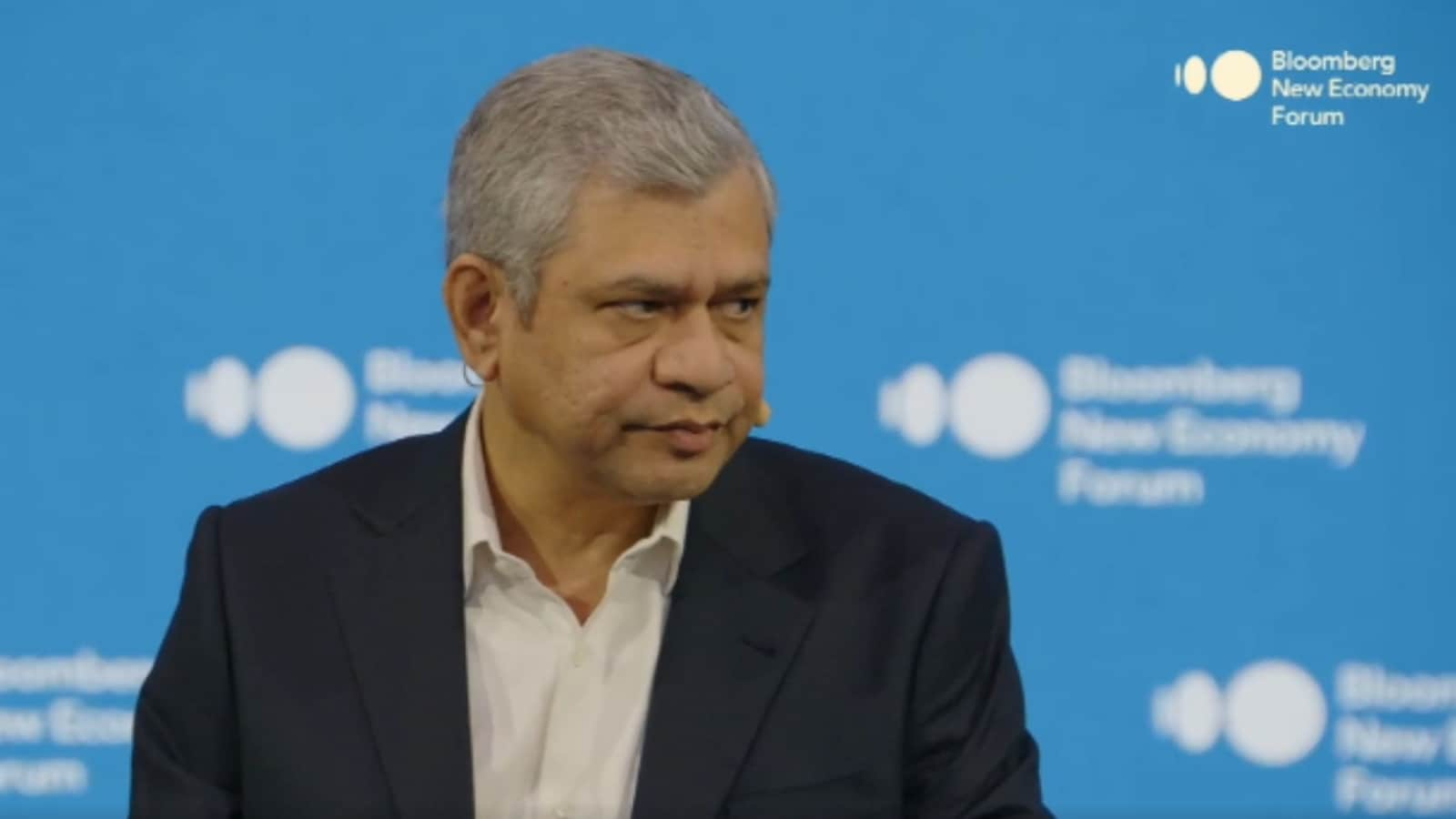
Critical materials are India's vulnerability in technology push: Ashwini Vaishnaw
Union Minister Ashwini Vaishnaw has identified critical materials as a significant vulnerability in India’s broader technology advancement strategy.
The story
in brief.
What happened, who it affects, and why it landed on our intelligence desk — in plain English, sixty seconds or less.
Union Minister Ashwini Vaishnaw has identified critical materials as a significant vulnerability in India’s broader technology advancement strategy. This admission highlights the strategic dependence on imported rare earth elements and other essential minerals required for semiconductor manufacturing, renewable energy infrastructure, and advanced electronics. The statement underscores the urgent need to diversify supply chains and develop domestic processing capabilities to mitigate geopolitical risks. For industry observers, this signals a potential shift in government policy towards securing raw material access, which will likely influence investment flows and regulatory frameworks across the technology and manufacturing sectors in the near future.
Indicative index of skill mentions in professional job postings for the field this story moves (2019 = 1)
What this means
for your career.
Every headline redistributes opportunity. Here is who this one rewards — and how to be on the right side of it.
This development signals a strategic pivot towards supply chain resilience, making expertise in resource security highly valuable. If you work in technology or manufacturing, you must now understand the geopolitical dimensions of material sourcing. Professionals in procurement, logistics, and strategic planning should prioritise skills in risk assessment and alternative supply chain design. Consider upskilling in sustainability management to address environmental compliance in mining and processing. Engineers and project managers should focus on recycling technologies and material substitution strategies. A smart move is to align your career with organisations investing in domestic processing facilities or diversified sourcing networks. By mastering these areas, you position yourself as a critical asset in securing India’s technological sovereignty against global market volatility and trade restrictions.
For this story, the fields that convert it into pay are Supply Chain, Risk Management Strategies, Sustainability management and Engineering — exactly the programmes matched below. The chart shows the indicative salary uplift certified professionals report in each of those fields; every one of them is a click away, from £79, finishing in as few as 20 days.
Indicative ranges from published continuing-education salary studies, by field — each field is a recommended course below
Enrol in these
to benefit.
These programmes position you for exactly this shift — online, self-paced, and finishing with a verifiable certificate you can share the day you pass.
 Best match
Certificate in Supply Chain
 Recommended
Certificate in Risk Management Strategies
Recommended
Certificate in Sustainability management
Recommended
Certificate in Engineering
Launch pricing shown against standard certificate value. The fee you see today is the fee you lock in.
This briefing is based on reporting by Moneycontrol.com on 14 Oct, 04:24. Read the original coverage →
Read the news. Then outrun it.
Every OnlineUni programme is online, self-paced and from £79 — so a headline today can be your credential this month.