
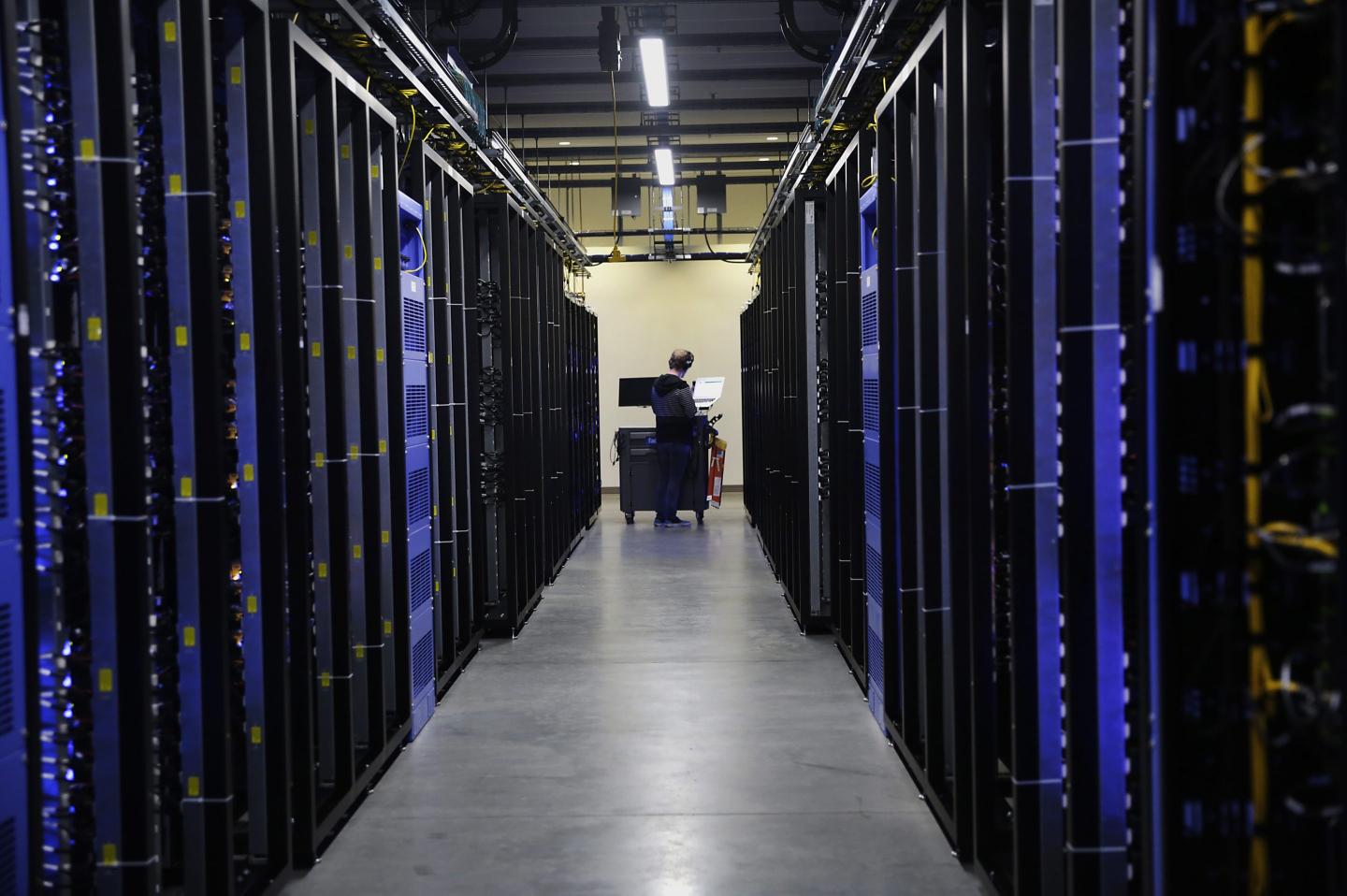
Data centers are swapping water for forever chemicals to keep AI cool
Data centres are increasingly adopting per- and polyfluoroalkyl substances, known as forever chemicals, for cooling AI infrastructure to reduce water consumption.
The story
in brief.
What happened, who it affects, and why it landed on our intelligence desk — in plain English, sixty seconds or less.
Data centres are increasingly adopting per- and polyfluoroalkyl substances, known as forever chemicals, for cooling AI infrastructure to reduce water consumption. This shift highlights a critical tension between operational efficiency and environmental sustainability. While these chemicals offer effective thermal management, their persistence in the environment raises significant ecological and regulatory concerns. Professionals must understand this emerging trade-off, as it reshapes industry standards for infrastructure development. The move reflects a broader challenge in balancing technological demands with sustainable practices, requiring careful consideration of long-term environmental impacts versus immediate resource constraints in high-performance computing environments.
Indicative index of skill mentions in professional job postings for the field this story moves (2019 = 1)
What this means
for your career.
Every headline redistributes opportunity. Here is who this one rewards — and how to be on the right side of it.
This development signals a pivotal shift in infrastructure management, demanding expertise that bridges technical engineering with environmental compliance. You should prioritise skills in sustainability and regulatory adherence, as organisations face mounting pressure to justify chemical use against water scarcity. Professionals in project management and engineering must now evaluate lifecycle impacts rigorously. Smart practitioners will upskill in sustainability management to navigate these complex trade-offs effectively. Focus on understanding regulatory frameworks governing hazardous substances, as compliance becomes a core competency. By integrating environmental risk assessment into your workflow, you position yourself as a strategic asset capable of balancing innovation with responsibility. Ignoring this intersection leaves you vulnerable to obsolescence as industries pivot towards greener, albeit complex, operational models.
For this story, the fields that convert it into pay are Sustainability management, Engineering, Compliance And Governance and Project Management — exactly the programmes matched below. The chart shows the indicative salary uplift certified professionals report in each of those fields; every one of them is a click away, from £79, finishing in as few as 20 days.
Indicative ranges from published continuing-education salary studies, by field — each field is a recommended course below
Enrol in these
to benefit.
These programmes position you for exactly this shift — online, self-paced, and finishing with a verifiable certificate you can share the day you pass.
 Best match
Certificate in Sustainability management
 Recommended
Certificate in Engineering
 Recommended
Certificate in Compliance And Governance
 Recommended
Certificate in Project Management
Launch pricing shown against standard certificate value. The fee you see today is the fee you lock in.
This briefing is based on reporting by Fortune on 18 Sep, 07:00. Read the original coverage →
Read the news. Then outrun it.
Every OnlineUni programme is online, self-paced and from £79 — so a headline today can be your credential this month.