
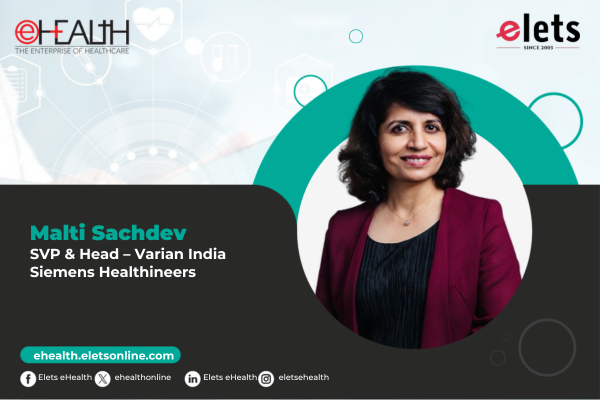
Decentralising Cancer Care, Democratizing Access: How AI, Digital Health & Public-Private Partnerships Can Transform Oncology in India
Recent reporting highlights India’s strategic shift towards decentralised cancer care, leveraging artificial intelligence and digital health technologies to broaden patient access.
The story
in brief.
What happened, who it affects, and why it landed on our intelligence desk — in plain English, sixty seconds or less.
Recent reporting highlights India’s strategic shift towards decentralised cancer care, leveraging artificial intelligence and digital health technologies to broaden patient access. The analysis emphasises the critical role of public-private partnerships in restructuring oncology delivery models. By integrating advanced diagnostic tools with community-level services, the sector aims to overcome geographical and resource disparities. This structural transformation suggests a move away from centralised urban hubs, promising more equitable treatment outcomes. The narrative underscores how technological innovation, when combined with collaborative governance frameworks, can effectively address systemic bottlenecks in complex healthcare systems, offering a scalable blueprint for other emerging markets facing similar infrastructure challenges.
Indicative index of skill mentions in professional job postings for the field this story moves (2019 = 1)
What this means
for your career.
Every headline redistributes opportunity. Here is who this one rewards — and how to be on the right side of it.
This shift fundamentally alters the skill landscape for healthcare professionals. You must prioritise digital literacy and data interpretation over purely clinical expertise. Roles bridging technology and medicine will surge in demand. Focus on mastering healthcare data analytics and understanding AI implementation strategies. If you work in administration, specialise in managing complex public-private partnerships. For clinicians, upskilling in tele-oncology and remote patient monitoring is essential. Smart professionals will immediately audit their current competencies against these emerging requirements. You should seek certifications in digital health management or AI applications in medicine. Networking with tech firms entering the healthcare space will also provide crucial insights. Ignoring this digital pivot risks professional obsolescence, whereas early adaptation positions you as a key leader in the next generation of oncology care delivery.
For this story, the fields that convert it into pay are Healthcare Management, Artificial Intelligence, Healthcare Data Analytics and AI Strategy — exactly the programmes matched below. The chart shows the indicative salary uplift certified professionals report in each of those fields; every one of them is a click away, from £79, finishing in as few as 20 days.
Indicative ranges from published continuing-education salary studies, by field — each field is a recommended course below
Enrol in these
to benefit.
These programmes position you for exactly this shift — online, self-paced, and finishing with a verifiable certificate you can share the day you pass.
 Best match
Certificate in Healthcare Management
 Recommended
Certificate in Artificial Intelligence
 Recommended
Certificate in Healthcare Data Analytics
 Recommended
Certificate in AI Strategy
Launch pricing shown against standard certificate value. The fee you see today is the fee you lock in.
This briefing is based on reporting by eHealth Magazine on 24 Sep, 10:05. Read the original coverage →
Read the news. Then outrun it.
Every OnlineUni programme is online, self-paced and from £79 — so a headline today can be your credential this month.