
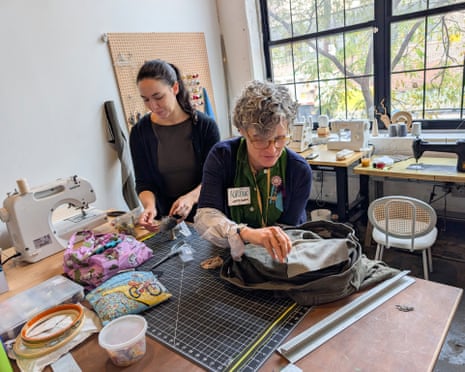
DIY repair clubs are helping Americans save money and fight big tech
Independent repair collectives are emerging across the United States, enabling citizens to bypass manufacturer restrictions and reduce expenditure on electronic goods.
The story
in brief.
What happened, who it affects, and why it landed on our intelligence desk — in plain English, sixty seconds or less.
Independent repair collectives are emerging across the United States, enabling citizens to bypass manufacturer restrictions and reduce expenditure on electronic goods. This grassroots movement directly challenges proprietary maintenance models employed by major technology corporations. By fostering community-led technical support and sharing proprietary repair information, these groups aim to restore consumer autonomy over hardware lifecycles. The trend highlights growing public dissatisfaction with planned obsolescence and right-to-repair legislation debates. Professionals should note the shifting dynamics between corporate control and user empowerment in the technology sector, as these clubs gain traction as viable alternatives to official service channels.
Indicative index of skill mentions in professional job postings for the field this story moves (2019 = 1)
What this means
for your career.
Every headline redistributes opportunity. Here is who this one rewards — and how to be on the right side of it.
This shift signals a growing demand for practical technical literacy and independent problem-solving skills. As consumers reject proprietary repair monopolies, professionals with hands-on engineering and diagnostics expertise will see increased value. You should monitor how this trend influences regulatory frameworks around product accessibility. Consider upskilling in hardware diagnostics or sustainable technology practices to align with this emerging market. Engaging with right-to-repair initiatives can also enhance your credibility in sustainability-focused roles. Smart professionals will anticipate the need for transparent, user-friendly technical documentation and community-driven support systems. Position yourself as a bridge between complex technology and accessible user maintenance, leveraging these skills to drive innovation in product design and customer service strategies.
For this story, the fields that convert it into pay are Engineering, Sustainability management, Innovation and Compliance And Governance — exactly the programmes matched below. The chart shows the indicative salary uplift certified professionals report in each of those fields; every one of them is a click away, from £79, finishing in as few as 20 days.
Indicative ranges from published continuing-education salary studies, by field — each field is a recommended course below
Enrol in these
to benefit.
These programmes position you for exactly this shift — online, self-paced, and finishing with a verifiable certificate you can share the day you pass.
 Best match
Certificate in Engineering
 Recommended
Certificate in Sustainability management
 Recommended
Certificate in Innovation
 Recommended
Certificate in Compliance And Governance
Launch pricing shown against standard certificate value. The fee you see today is the fee you lock in.
This briefing is based on reporting by The Guardian on 20 Oct, 17:30. Read the original coverage →
Read the news. Then outrun it.
Every OnlineUni programme is online, self-paced and from £79 — so a headline today can be your credential this month.