
Ethnic differences in healthcare utilisation and diagnosis after first presentation with breathlessness: a retrospective cohort study using UK primary care records
A recent retrospective cohort study published in Nature utilises UK primary care records to examine ethnic disparities in healthcare utilisation and diagnosis.
The story
in brief.
What happened, who it affects, and why it landed on our intelligence desk — in plain English, sixty seconds or less.
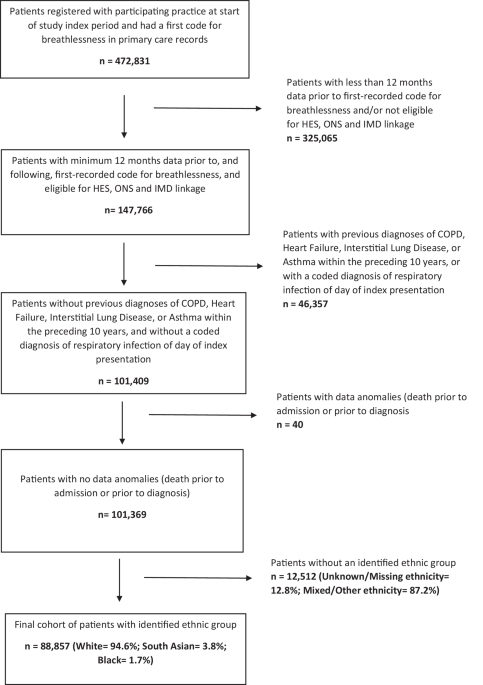
A recent retrospective cohort study published in Nature utilises UK primary care records to examine ethnic disparities in healthcare utilisation and diagnosis. The research focuses on patients presenting with breathlessness for the first time. It reveals significant variations in how different ethnic groups are diagnosed and treated within the primary care system. These findings highlight systemic inequalities in clinical pathways and decision-making processes. The study provides empirical evidence of differential outcomes based on ethnicity, suggesting that current diagnostic protocols may inadvertently perpetuate health inequities. This data offers a critical perspective on the need for more equitable healthcare delivery models across diverse populations.
Indicative index of skill mentions in professional job postings for the field this story moves (2019 = 1)
What this means
for your career.
Every headline redistributes opportunity. Here is who this one rewards — and how to be on the right side of it.
This research signals a growing demand for professionals who can interpret complex health data to drive equitable policy. You must prioritise skills in healthcare data analytics and clinical governance. If you work in healthcare management, focus on understanding bias in diagnostic algorithms. Specialists in data science should prepare to analyse diverse patient datasets for hidden patterns. Smart professionals will upskill in interpreting epidemiological data to support inclusive service design. Consider how these findings affect your organisation’s compliance and patient outcomes. Develop strategies to mitigate bias in clinical workflows. Engage with cross-functional teams to implement evidence-based changes. This is not just an academic issue; it is a operational imperative for modern healthcare providers aiming to deliver fair and effective care to all demographics.
For this story, the fields that convert it into pay are Healthcare Data Analytics, Healthcare Management, Data Science and Compliance And Governance — exactly the programmes matched below. The chart shows the indicative salary uplift certified professionals report in each of those fields; every one of them is a click away, from £79, finishing in as few as 20 days.
Indicative ranges from published continuing-education salary studies, by field — each field is a recommended course below
Enrol in these
to benefit.
These programmes position you for exactly this shift — online, self-paced, and finishing with a verifiable certificate you can share the day you pass.
 Best match
Certificate in Healthcare Data Analytics
 Recommended
Certificate in Healthcare Management
 Recommended
Certificate in Data Science
Recommended
Certificate in Compliance And Governance
Launch pricing shown against standard certificate value. The fee you see today is the fee you lock in.
This briefing is based on reporting by nature.com on 3 Apr, 07:00. Read the original coverage →
Read the news. Then outrun it.
Every OnlineUni programme is online, self-paced and from £79 — so a headline today can be your credential this month.