
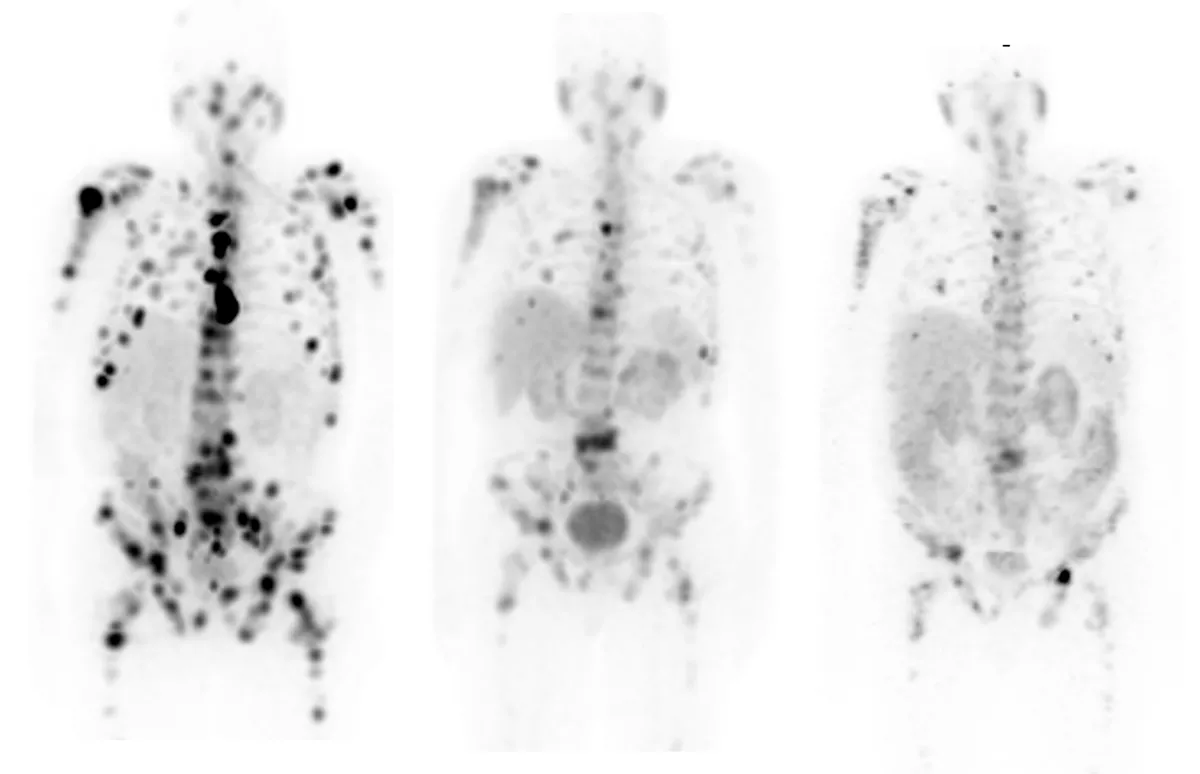
Evolving the promise of precision medicine with theranostics
GE HealthCare reports on the advancement of theranostics, a medical approach combining diagnostic imaging and targeted therapy.
The story
in brief.
What happened, who it affects, and why it landed on our intelligence desk — in plain English, sixty seconds or less.
GE HealthCare reports on the advancement of theranostics, a medical approach combining diagnostic imaging and targeted therapy. This methodology allows clinicians to identify disease markers and deliver precise treatment simultaneously. The development signifies a shift towards highly personalised patient care, particularly in oncology. By integrating imaging technologies with therapeutic agents, healthcare providers can monitor treatment efficacy in real time. This evolution aims to improve clinical outcomes while minimising side effects. The industry is moving away from broad-spectrum treatments towards individualised protocols. This news highlights the growing importance of specialised technology in modern medicine. Professionals in healthcare must recognise this trend as it redefines standard care pathways and operational requirements within clinical settings.
Indicative index of skill mentions in professional job postings for the field this story moves (2019 = 1)
What this means
for your career.
Every headline redistributes opportunity. Here is who this one rewards — and how to be on the right side of it.
This shift towards theranostics elevates the value of specialists who bridge clinical medicine and advanced technology. You should prioritise skills in radiopharmacy, molecular imaging, and personalised treatment planning. If you work in healthcare management, focus on integrating complex diagnostic workflows with therapeutic delivery systems. Data literacy becomes crucial as you interpret imaging biomarkers to guide therapy decisions. Professionals in medical device sales or regulatory affairs must understand the nuanced compliance requirements for combined diagnostic-therapeutic products. To stay competitive, invest in training that connects clinical outcomes with technological innovation. Network with experts in nuclear medicine and oncology to grasp practical applications. By mastering these interdisciplinary skills, you position yourself at the forefront of precision medicine, ensuring your career remains relevant as healthcare becomes increasingly tailored to individual patient biology.
For this story, the fields that convert it into pay are Healthcare, Healthcare Data Analytics, Medical Billing And Coding and Compliance And Governance — exactly the programmes matched below. The chart shows the indicative salary uplift certified professionals report in each of those fields; every one of them is a click away, from £79, finishing in as few as 20 days.
Indicative ranges from published continuing-education salary studies, by field — each field is a recommended course below
Enrol in these
to benefit.
These programmes position you for exactly this shift — online, self-paced, and finishing with a verifiable certificate you can share the day you pass.
 Best match
Certificate in Healthcare
 Recommended
Certificate in Healthcare Data Analytics
 Recommended
Certificate in Medical Billing And Coding
 Recommended
Certificate in Compliance And Governance
Launch pricing shown against standard certificate value. The fee you see today is the fee you lock in.
This briefing is based on reporting by GE HealthCare on 16 Mar, 05:10. Read the original coverage →
Read the news. Then outrun it.
Every OnlineUni programme is online, self-paced and from £79 — so a headline today can be your credential this month.