
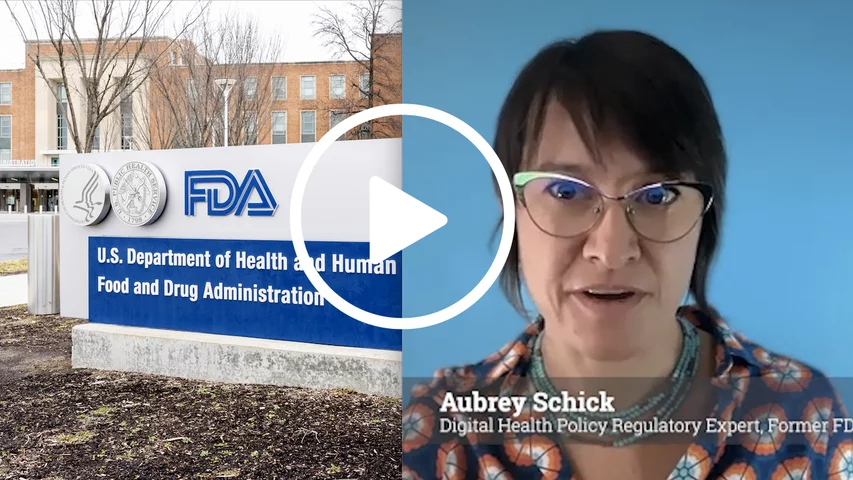
FDA balances faster AI adoption with safety as healthcare technology advances
The US Food and Drug Administration is refining its regulatory framework to accelerate the adoption of artificial intelligence in healthcare while maintaining rigorous safety standards.
The story
in brief.
What happened, who it affects, and why it landed on our intelligence desk — in plain English, sixty seconds or less.
The US Food and Drug Administration is refining its regulatory framework to accelerate the adoption of artificial intelligence in healthcare while maintaining rigorous safety standards. This strategic shift aims to balance innovation with patient protection, recognising that rapid technological advancement requires updated oversight mechanisms. The agency seeks to provide clearer guidance for developers, ensuring that AI-driven medical devices and software meet essential performance criteria without causing undue delays. This development signals a maturing landscape where regulatory bodies actively engage with emerging technologies, rather than merely reacting to them, creating a more predictable environment for healthcare technology firms and their workforce.
Indicative index of skill mentions in professional job postings for the field this story moves (2019 = 1)
What this means
for your career.
Every headline redistributes opportunity. Here is who this one rewards — and how to be on the right side of it.
You must adapt your skill set to thrive in this evolving regulatory landscape. Professionals in healthcare technology and digital health will see heightened demand for expertise in compliance and governance. You should prioritise understanding how AI systems are validated and monitored within strict medical frameworks. If you work in product development, focus on integrating safety protocols early in the design process. Those in management roles need to grasp the nuances of regulatory strategy to navigate approval processes efficiently. Upskilling in data science and AI strategy will position you to bridge the gap between technical innovation and legal requirements. Start by reviewing current FDA guidelines on AI-based software as a medical device. Engage with cross-functional teams to ensure your projects meet both performance and safety benchmarks. This proactive approach will make you indispensable in an industry where trust and accuracy are paramount.
For this story, the fields that convert it into pay are AI Strategy, Healthcare Management, Compliance And Governance and Artificial Intelligence — exactly the programmes matched below. The chart shows the indicative salary uplift certified professionals report in each of those fields; every one of them is a click away, from £79, finishing in as few as 20 days.
Indicative ranges from published continuing-education salary studies, by field — each field is a recommended course below
Enrol in these
to benefit.
These programmes position you for exactly this shift — online, self-paced, and finishing with a verifiable certificate you can share the day you pass.
 Best match
Certificate in AI Strategy
 Recommended
Certificate in Healthcare Management
Recommended
Certificate in Compliance And Governance
 Recommended
Certificate in Artificial Intelligence
Launch pricing shown against standard certificate value. The fee you see today is the fee you lock in.
This briefing is based on reporting by HealthExec on 16 Oct, 13:20. Read the original coverage →
Read the news. Then outrun it.
Every OnlineUni programme is online, self-paced and from £79 — so a headline today can be your credential this month.