
Flexibility technologies in clean energy systems
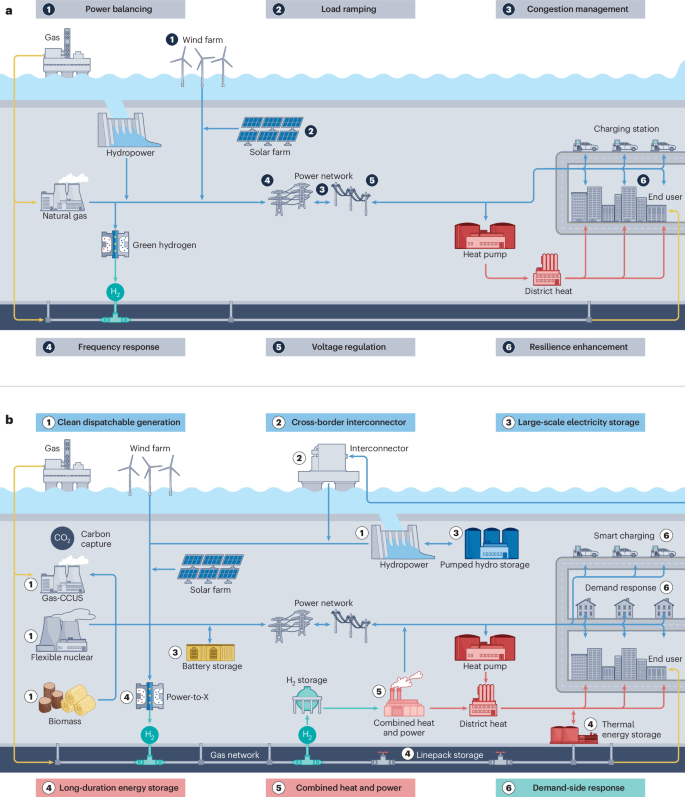
Recent research published in Nature highlights the critical role of flexibility technologies in modernising clean energy systems.
The story
in brief.
What happened, who it affects, and why it landed on our intelligence desk — in plain English, sixty seconds or less.
Recent research published in Nature highlights the critical role of flexibility technologies in modernising clean energy systems. The study examines how advanced storage solutions, demand-response mechanisms, and grid-balancing innovations address the intermittency challenges inherent in renewable sources like wind and solar. By integrating these flexible assets, energy networks can maintain stability while increasing the proportion of low-carbon power. The report underscores that technical adaptability is now as vital as generation capacity for achieving decarbonisation targets. This shift signifies a move towards more dynamic, resilient infrastructure capable of handling variable supply and demand patterns effectively.
Indicative index of skill mentions in professional job postings for the field this story moves (2019 = 1)
What this means
for your career.
Every headline redistributes opportunity. Here is who this one rewards — and how to be on the right side of it.
This development signals a structural shift in the energy sector, elevating the value of technical and strategic skills in grid modernisation. You must recognise that expertise in energy storage, smart grid infrastructure, and system integration is now paramount. Professionals in engineering, data analytics, and project management should prioritise upskilling in these areas. Smart practitioners will pursue certifications in renewable energy systems or grid flexibility technologies. You should also explore roles at utility companies, tech firms specialising in energy solutions, or consultancies advising on decarbonisation strategies. Ignoring this trend risks obsolescence as the industry rapidly transitions towards flexible, low-carbon infrastructure.
For this story, the fields that convert it into pay are AI in Energy, Engineering, Sustainability management and Data Science — exactly the programmes matched below. The chart shows the indicative salary uplift certified professionals report in each of those fields; every one of them is a click away, from £79, finishing in as few as 20 days.
Indicative ranges from published continuing-education salary studies, by field — each field is a recommended course below
Enrol in these
to benefit.
These programmes position you for exactly this shift — online, self-paced, and finishing with a verifiable certificate you can share the day you pass.
 Best match
Certificate in AI in Energy
 Recommended
Certificate in Engineering
 Recommended
Certificate in Sustainability management
 Recommended
Certificate in Data Science
Launch pricing shown against standard certificate value. The fee you see today is the fee you lock in.
This briefing is based on reporting by Nature on 12 Oct, 09:32. Read the original coverage →
Read the news. Then outrun it.
Every OnlineUni programme is online, self-paced and from £79 — so a headline today can be your credential this month.