
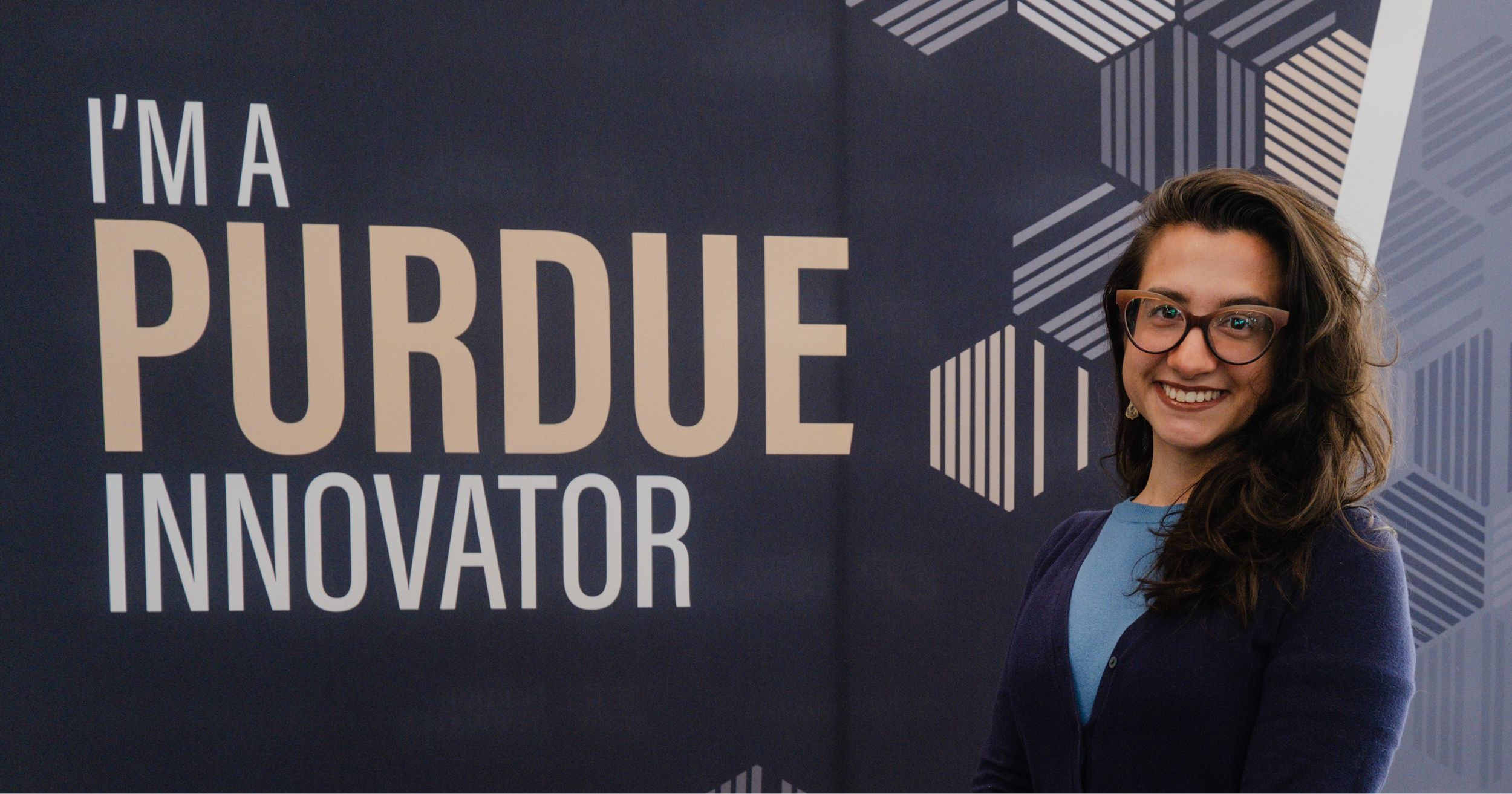
From scientist to innovator: Learning what it takes to bring technology to market
Purdue Research Foundation highlights the critical transition from scientific discovery to commercial innovation.
The story
in brief.
What happened, who it affects, and why it landed on our intelligence desk — in plain English, sixty seconds or less.
Purdue Research Foundation highlights the critical transition from scientific discovery to commercial innovation. The report details the specific competencies required to successfully bring new technologies to market, moving beyond laboratory research. It emphasises the necessity of understanding commercialisation pathways, intellectual property management, and market validation. This narrative underscores that technical expertise alone is insufficient for real-world impact. Professionals must bridge the gap between academic research and viable business solutions. The story serves as a factual overview of the skills gap in technology transfer, offering insights into how institutions are adapting their educational frameworks to prepare scientists for entrepreneurial roles and industry leadership.
Indicative index of skill mentions in professional job postings for the field this story moves (2019 = 1)
What this means
for your career.
Every headline redistributes opportunity. Here is who this one rewards — and how to be on the right side of it.
This shift signals that technical expertise is no longer sufficient for career advancement in research-heavy industries. You must now demonstrate commercial acumen to remain competitive. Skills in technology transfer, intellectual property strategy, and market analysis are rising sharply in value. If you work in R&D, engineering, or applied sciences, you should pay close attention to these developments. Ignoring the business side of innovation limits your potential leadership opportunities. A smart professional would immediately upskill in commercialisation strategies and venture creation. Seek cross-functional projects that expose you to product development and market fit. Understanding how to translate scientific data into investor-ready proposals will distinguish you from peers. Start building a portfolio that showcases not just your technical achievements, but their potential economic impact and scalability.
For this story, the fields that convert it into pay are Innovation, Business And Management, Project Management and Engineering — exactly the programmes matched below. The chart shows the indicative salary uplift certified professionals report in each of those fields; every one of them is a click away, from £79, finishing in as few as 20 days.
Indicative ranges from published continuing-education salary studies, by field — each field is a recommended course below
Enrol in these
to benefit.
These programmes position you for exactly this shift — online, self-paced, and finishing with a verifiable certificate you can share the day you pass.
 Best match
Certificate in Innovation
 Recommended
Certificate in Business And Management
 Recommended
Certificate in Project Management
 Recommended
Certificate in Engineering
Launch pricing shown against standard certificate value. The fee you see today is the fee you lock in.
This briefing is based on reporting by Purdue Research Foundation on 19 Oct, 07:29. Read the original coverage →
Read the news. Then outrun it.
Every OnlineUni programme is online, self-paced and from £79 — so a headline today can be your credential this month.