
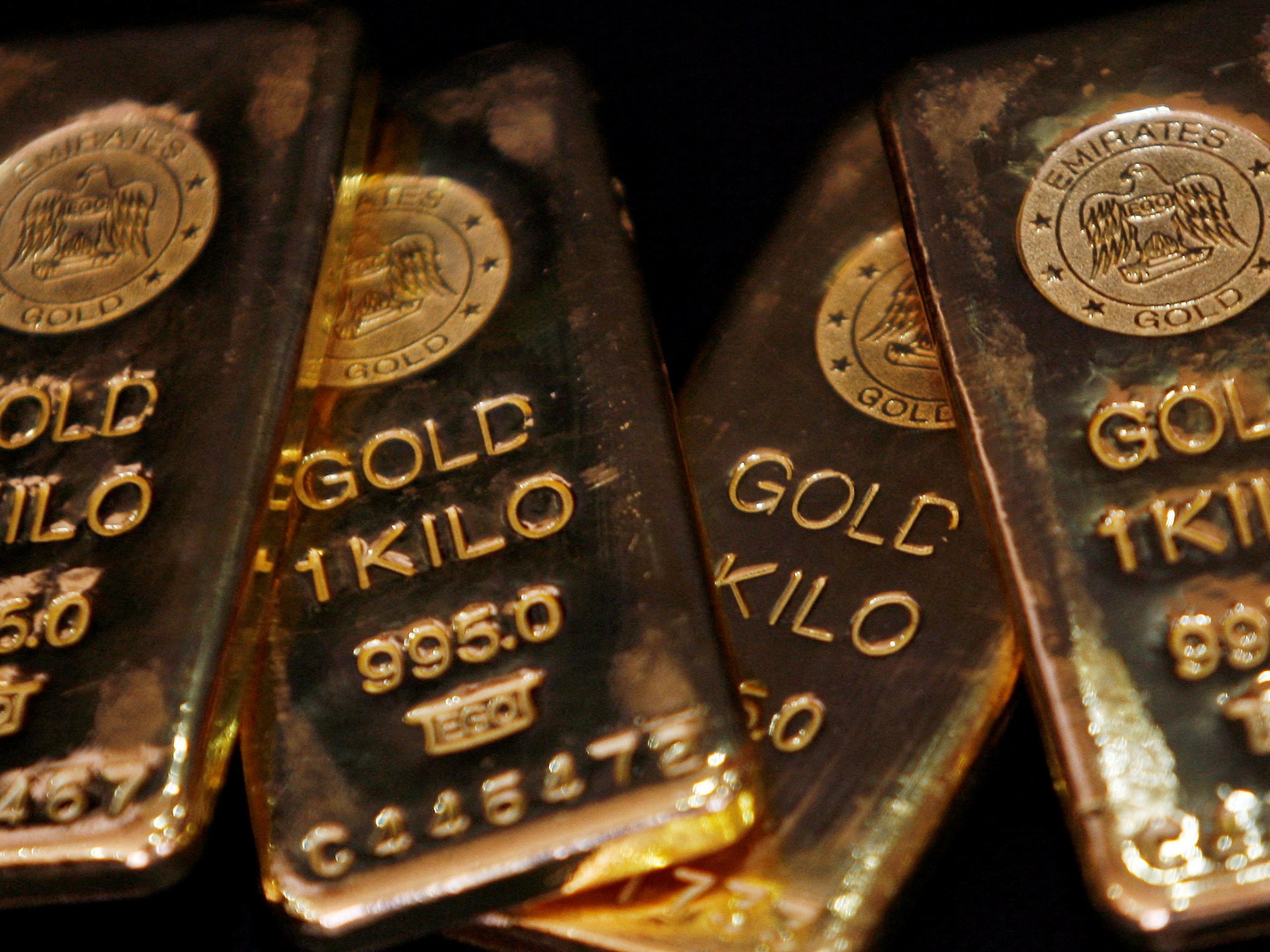
Gold falls amid rising oil prices and higher US dollar
Gold prices have declined concurrently with rising oil costs and a strengthening US dollar.
The story
in brief.
What happened, who it affects, and why it landed on our intelligence desk — in plain English, sixty seconds or less.
Gold prices have declined concurrently with rising oil costs and a strengthening US dollar. This market movement reflects shifting investor sentiment towards the greenback, which often inversely affects gold valuations. The simultaneous surge in oil prices suggests broader macroeconomic pressures, potentially linked to geopolitical tensions or supply constraints. For professionals, this signals increased volatility in commodity and currency markets. Understanding these interrelated financial dynamics is crucial for navigating current economic conditions. The data indicates a complex trading environment where traditional safe-haven assets like gold are losing ground against the dollar, while energy costs escalate, impacting global inflation expectations and corporate expenditure strategies.
Indicative index of skill mentions in professional job postings for the field this story moves (2019 = 1)
What this means
for your career.
Every headline redistributes opportunity. Here is who this one rewards — and how to be on the right side of it.
You must adapt your financial literacy to navigate this volatility. Professionals in treasury, procurement, and strategic planning should prioritise skills in currency hedging and commodity risk analysis. If you work in energy or manufacturing, understand how rising input costs affect margin pressures. A smart professional would immediately review their organisation’s exposure to foreign exchange fluctuations and oil price dependencies. Focus on developing expertise in macroeconomic analysis and risk management frameworks. Consider upskilling in financial modelling to better forecast cost impacts. Those in investment roles should reassess portfolio allocations, recognising the dollar’s strength as a key driver. Proactively engage with finance teams to understand mitigation strategies. This environment rewards agility and data-driven decision-making over static planning. Your career resilience depends on anticipating these market shifts rather than merely reacting to them.
For this story, the fields that convert it into pay are Finance and Accounting, Risk Management Strategies, Financial Modeling and Supply Chain — exactly the programmes matched below. The chart shows the indicative salary uplift certified professionals report in each of those fields; every one of them is a click away, from £79, finishing in as few as 20 days.
Indicative ranges from published continuing-education salary studies, by field — each field is a recommended course below
Enrol in these
to benefit.
These programmes position you for exactly this shift — online, self-paced, and finishing with a verifiable certificate you can share the day you pass.
 Best match
Certificate in Finance and Accounting
 Recommended
Certificate in Risk Management Strategies
 Recommended
Certificate in Financial Modeling
Recommended
Certificate in Supply Chain
Launch pricing shown against standard certificate value. The fee you see today is the fee you lock in.
This briefing is based on reporting by Al Jazeera on 28 Sep, 21:37. Read the original coverage →
Read the news. Then outrun it.
Every OnlineUni programme is online, self-paced and from £79 — so a headline today can be your credential this month.