
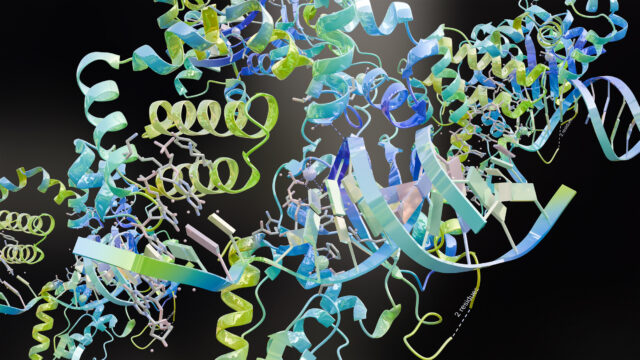
Google figures out how to watermark AI-designed proteins
Google DeepMind has developed a novel method to embed digital watermarks into proteins designed by artificial intelligence.
The story
in brief.
What happened, who it affects, and why it landed on our intelligence desk — in plain English, sixty seconds or less.
Google DeepMind has developed a novel method to embed digital watermarks into proteins designed by artificial intelligence. This technical advancement allows researchers to distinguish AI-generated molecular structures from naturally occurring or experimentally derived ones. The development addresses growing concerns regarding transparency and attribution in computational biology. By enabling reliable identification of synthetic designs, the technology aims to enhance safety protocols and intellectual property management within the pharmaceutical and biotechnology sectors. This represents a significant step toward responsible AI integration in scientific discovery, ensuring that the origin of complex biological designs remains verifiable and traceable for regulatory and ethical purposes.
Indicative index of skill mentions in professional job postings for the field this story moves (2019 = 1)
What this means
for your career.
Every headline redistributes opportunity. Here is who this one rewards — and how to be on the right side of it.
This development signals a critical shift in computational biology, elevating the value of professionals who bridge AI and life sciences. You should focus on understanding the ethical and regulatory implications of synthetic biology. Roles in compliance, intellectual property law, and bioinformatics will gain prominence as industries grapple with attribution and safety standards. Smart professionals will immediately upskill in AI ethics and data provenance. If you work in pharma or biotech, familiarise yourself with emerging governance frameworks for AI-generated assets. Those in general tech should monitor how watermarking techniques transfer to other domains. Prioritise courses that combine technical AI knowledge with regulatory strategy, positioning yourself as a specialist who can navigate the complex intersection of innovation, accountability, and scientific integrity in this rapidly evolving landscape.
For this story, the fields that convert it into pay are AI in Pharmaceuticals, Artificial Intelligence, Compliance And Governance and Data Science — exactly the programmes matched below. The chart shows the indicative salary uplift certified professionals report in each of those fields; every one of them is a click away, from £79, finishing in as few as 20 days.
Indicative ranges from published continuing-education salary studies, by field — each field is a recommended course below
Enrol in these
to benefit.
These programmes position you for exactly this shift — online, self-paced, and finishing with a verifiable certificate you can share the day you pass.
 Best match
Certificate in AI in Pharmaceuticals
 Recommended
Certificate in Artificial Intelligence
 Recommended
Certificate in Compliance And Governance
 Recommended
Certificate in Data Science
Launch pricing shown against standard certificate value. The fee you see today is the fee you lock in.
This briefing is based on reporting by Ars Technica on 30 Sep, 15:54. Read the original coverage →
Read the news. Then outrun it.
Every OnlineUni programme is online, self-paced and from £79 — so a headline today can be your credential this month.