
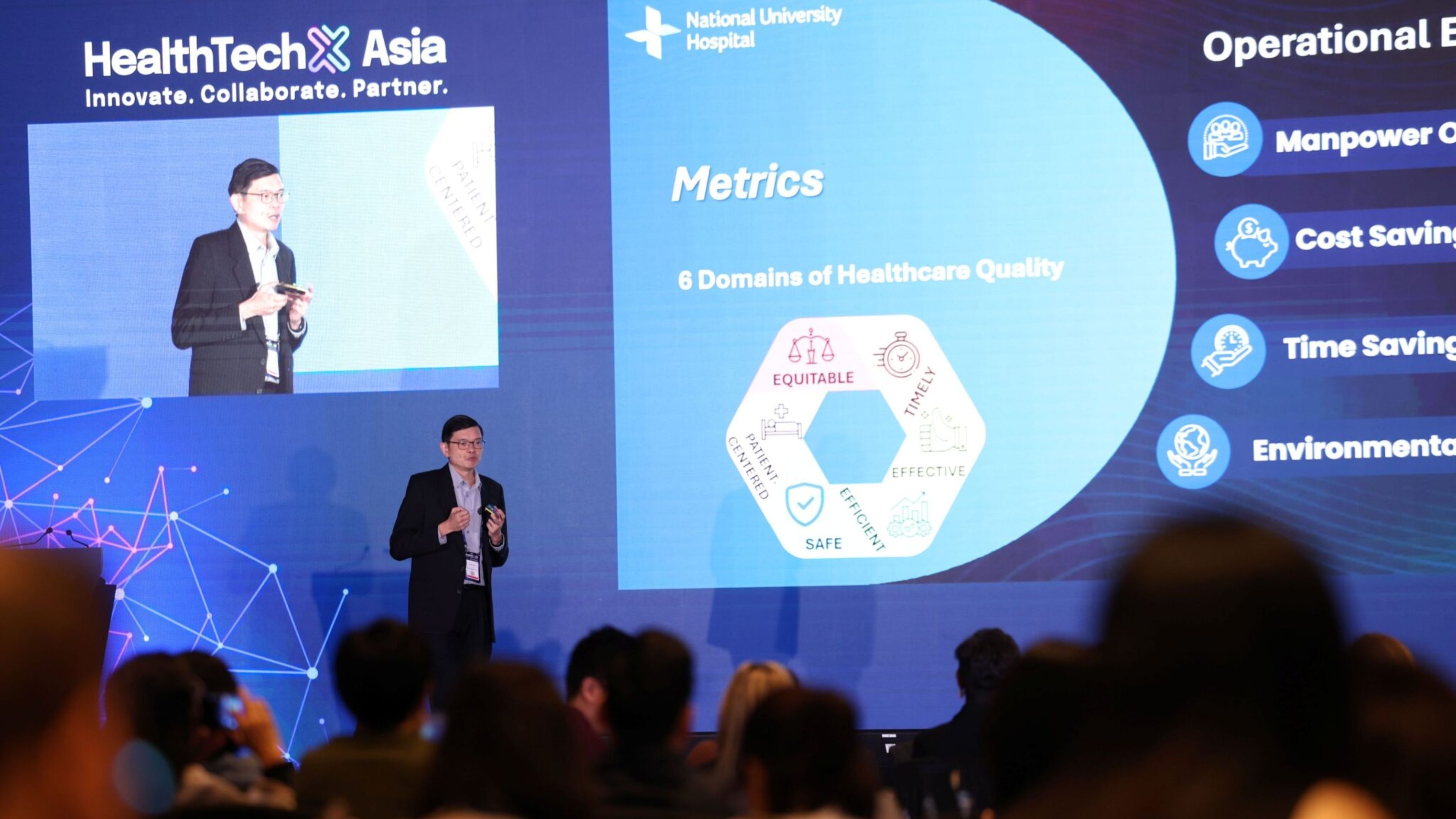
How AI and automation transform Singapore’s allied health workforce
Singapore is actively integrating artificial intelligence and automation technologies into its allied health sector to enhance operational efficiency and patient care delivery.
The story
in brief.
What happened, who it affects, and why it landed on our intelligence desk — in plain English, sixty seconds or less.
Singapore is actively integrating artificial intelligence and automation technologies into its allied health sector to enhance operational efficiency and patient care delivery. This strategic shift aims to address workforce constraints while maintaining high service standards. The initiative involves deploying automated systems for administrative tasks and diagnostic support, allowing healthcare professionals to focus more on direct patient interaction. This transformation underscores the government’s commitment to modernising the healthcare infrastructure through digital innovation, ensuring sustainable growth and improved outcomes for the nation’s health ecosystem.
Indicative index of skill mentions in professional job postings for the field this story moves (2019 = 1)
What this means
for your career.
Every headline redistributes opportunity. Here is who this one rewards — and how to be on the right side of it.
You must adapt to this technological shift to remain competitive. Technical proficiency in data interpretation and digital tool usage is becoming essential for allied health roles. You should prioritise learning Healthcare Data Analytics to understand patient trends and operational metrics effectively. Additionally, mastering Healthcare Management will help you navigate the complex integration of AI into clinical workflows. Do not ignore the human element; soft skills like empathy and communication are increasingly valuable as machines handle routine tasks. Upskill immediately in digital literacy and data-driven decision-making. Proactively seek training in these areas to position yourself as a versatile professional capable of bridging the gap between technology and patient care in Singapore’s evolving healthcare landscape.
For this story, the fields that convert it into pay are Healthcare Data Analytics, Healthcare Management, Artificial Intelligence and Occupational Health And Safety — exactly the programmes matched below. The chart shows the indicative salary uplift certified professionals report in each of those fields; every one of them is a click away, from £79, finishing in as few as 20 days.
Indicative ranges from published continuing-education salary studies, by field — each field is a recommended course below
Enrol in these
to benefit.
These programmes position you for exactly this shift — online, self-paced, and finishing with a verifiable certificate you can share the day you pass.
 Best match
Certificate in Healthcare Data Analytics
 Recommended
Certificate in Healthcare Management
 Recommended
Certificate in Artificial Intelligence
 Recommended
Certificate in Occupational Health And Safety
Launch pricing shown against standard certificate value. The fee you see today is the fee you lock in.
This briefing is based on reporting by GovInsider on 9 Oct, 00:31. Read the original coverage →
Read the news. Then outrun it.
Every OnlineUni programme is online, self-paced and from £79 — so a headline today can be your credential this month.