
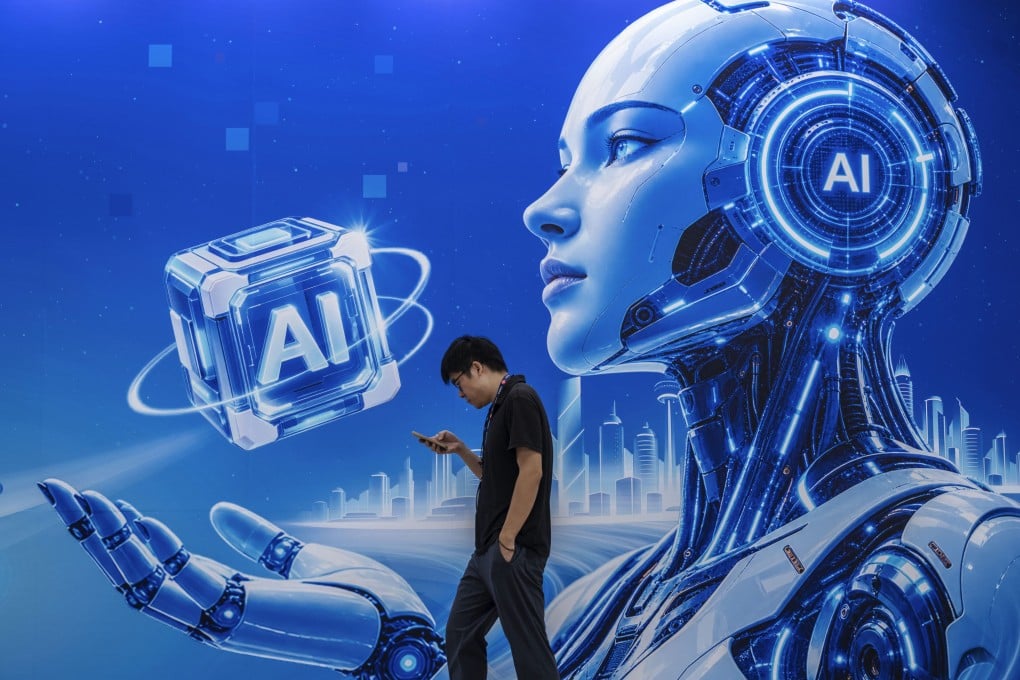
How China’s factories leap straight into agentic AI and take it global
Recent reporting indicates that Chinese manufacturing firms are bypassing traditional automation stages to deploy agentic artificial intelligence directly within production environments.
The story
in brief.
What happened, who it affects, and why it landed on our intelligence desk — in plain English, sixty seconds or less.
Recent reporting indicates that Chinese manufacturing firms are bypassing traditional automation stages to deploy agentic artificial intelligence directly within production environments. These autonomous systems manage complex tasks without constant human intervention, significantly increasing operational efficiency. The trend is not confined domestically; these companies are actively exporting this advanced technological infrastructure to global markets. This shift represents a fundamental change in industrial operations, moving from static automation to dynamic, self-directing workflows. For professionals, this signals a rapid evolution in how value is created and managed in the physical goods sector, demanding new competencies in overseeing intelligent, autonomous systems.
Indicative index of skill mentions in professional job postings for the field this story moves (2019 = 1)
What this means
for your career.
Every headline redistributes opportunity. Here is who this one rewards — and how to be on the right side of it.
This shift means your role in manufacturing or supply chain operations must evolve from oversight to strategic integration. You need to understand how autonomous agents make decisions and how to align them with broader business goals. Skills in system architecture, change management, and cross-cultural collaboration rise in value as you manage these global deployments. If you work in engineering, operations, or strategy, pay close attention to how agentic AI alters workflow dynamics. A smart professional would immediately upskill in AI strategy to bridge the gap between technical capabilities and operational needs. Focus on learning how to evaluate, implement, and govern these systems. You must become fluent in the language of autonomous operations to remain relevant as industry standards shift toward intelligent, self-optimising production environments worldwide.
For this story, the fields that convert it into pay are AI Strategy, Supply Chain, Engineering and Artificial Intelligence — exactly the programmes matched below. The chart shows the indicative salary uplift certified professionals report in each of those fields; every one of them is a click away, from £79, finishing in as few as 20 days.
Indicative ranges from published continuing-education salary studies, by field — each field is a recommended course below
Enrol in these
to benefit.
These programmes position you for exactly this shift — online, self-paced, and finishing with a verifiable certificate you can share the day you pass.
 Best match
Certificate in AI Strategy
 Recommended
Certificate in Supply Chain
 Recommended
Certificate in Engineering
 Recommended
Certificate in Artificial Intelligence
Launch pricing shown against standard certificate value. The fee you see today is the fee you lock in.
This briefing is based on reporting by South China Morning Post on 12 Oct, 04:00. Read the original coverage →
Read the news. Then outrun it.
Every OnlineUni programme is online, self-paced and from £79 — so a headline today can be your credential this month.