
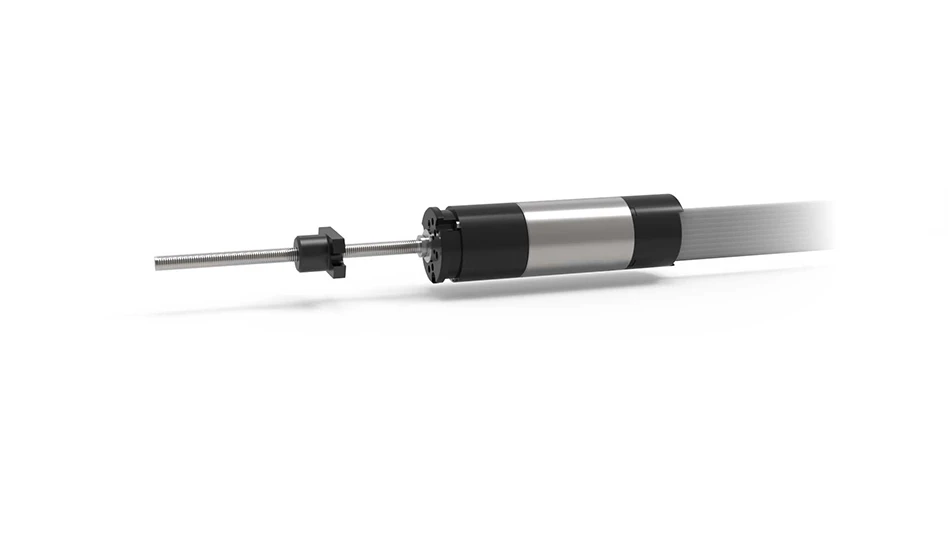
How linear drive architectures deliver versatility without complexity in medical technology
Recent industry reporting highlights how linear drive architectures are transforming medical technology by offering enhanced versatility while significantly reducing system complexity.
The story
in brief.
What happened, who it affects, and why it landed on our intelligence desk — in plain English, sixty seconds or less.
Recent industry reporting highlights how linear drive architectures are transforming medical technology by offering enhanced versatility while significantly reducing system complexity. This engineering approach allows for more precise, compact, and reliable motion control solutions within diagnostic and therapeutic devices. By simplifying mechanical designs, manufacturers can improve maintenance efficiency and device longevity. The trend signals a shift away from complex rotary systems towards streamlined linear mechanisms, addressing critical needs for precision in modern healthcare environments without increasing operational overhead or technical burden on clinical staff.
Indicative index of skill mentions in professional job postings for the field this story moves (2019 = 1)
What this means
for your career.
Every headline redistributes opportunity. Here is who this one rewards — and how to be on the right side of it.
This shift towards linear drive architectures elevates the value of mechanical engineering and precision manufacturing skills. If you work in medical device design or biomedical engineering, you must now understand these specific motion control systems to remain competitive. Professionals in healthcare management should monitor how simplified devices affect procurement and maintenance costs. To stay ahead, upskill in mechatronics or advanced robotics. Familiarise yourself with the integration of linear actuators in clinical settings. Engage with industry publications on medical engineering trends. Networking with specialists in motion control will provide practical insights. Prioritise courses that bridge mechanical design with clinical application requirements. This technical evolution demands a proactive approach to learning, ensuring your expertise aligns with the next generation of efficient, user-friendly medical technologies.
For this story, the fields that convert it into pay are Engineering, Healthcare Management, Innovation and Requirements Engineering — exactly the programmes matched below. The chart shows the indicative salary uplift certified professionals report in each of those fields; every one of them is a click away, from £79, finishing in as few as 20 days.
Indicative ranges from published continuing-education salary studies, by field — each field is a recommended course below
Enrol in these
to benefit.
These programmes position you for exactly this shift — online, self-paced, and finishing with a verifiable certificate you can share the day you pass.
 Best match
Certificate in Engineering
 Recommended
Certificate in Healthcare Management
 Recommended
Certificate in Innovation
 Recommended
Certificate in Requirements Engineering
Launch pricing shown against standard certificate value. The fee you see today is the fee you lock in.
This briefing is based on reporting by Today's Medical Developments on 21 Sep, 06:00. Read the original coverage →
Read the news. Then outrun it.
Every OnlineUni programme is online, self-paced and from £79 — so a headline today can be your credential this month.