
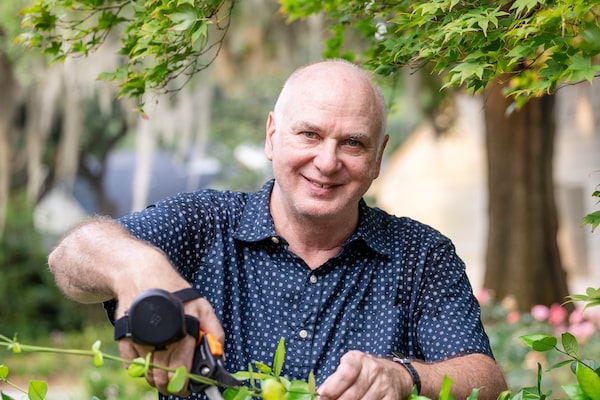
How smart, wearable technology is helping seniors live better
Recent reporting highlights how smart wearable technology is significantly enhancing the quality of life for older adults.
The story
in brief.
What happened, who it affects, and why it landed on our intelligence desk — in plain English, sixty seconds or less.
Recent reporting highlights how smart wearable technology is significantly enhancing the quality of life for older adults. These devices facilitate remote health monitoring, enabling early detection of medical issues and promoting greater independence. The narrative focuses on the practical application of sensors and data analytics in daily care scenarios. This shift underscores a growing intersection between consumer electronics and elderly care services, suggesting a broader transformation in how health and wellness are managed outside traditional clinical settings. Professionals should note this as a key development in the evolving landscape of senior support and digital health integration.
Indicative index of skill mentions in professional job postings for the field this story moves (2019 = 1)
What this means
for your career.
Every headline redistributes opportunity. Here is who this one rewards — and how to be on the right side of it.
This trend signals a critical shift in the health-tech sector. You must recognise that demand is surging for specialists who can bridge clinical needs with technological solutions. Skills in data interpretation and user-centred design for older demographics are now premium assets. If you work in healthcare or technology, you should immediately upskill in digital health regulations and ethical data usage. Professionals in product management must learn to design for accessibility and cognitive decline. Do not ignore the regulatory landscape; compliance is non-negotiable. A smart next step is to specialise in healthcare data analytics or explore roles in medical device innovation. Position yourself as a translator between engineers and clinicians. This niche offers stability and high growth potential as the global population ages rapidly.
For this story, the fields that convert it into pay are Healthcare Data Analytics, Healthcare Management, Artificial Intelligence and Occupational Health And Safety — exactly the programmes matched below. The chart shows the indicative salary uplift certified professionals report in each of those fields; every one of them is a click away, from £79, finishing in as few as 20 days.
Indicative ranges from published continuing-education salary studies, by field — each field is a recommended course below
Enrol in these
to benefit.
These programmes position you for exactly this shift — online, self-paced, and finishing with a verifiable certificate you can share the day you pass.
 Best match
Certificate in Healthcare Data Analytics
 Recommended
Certificate in Healthcare Management
 Recommended
Certificate in Artificial Intelligence
 Recommended
Certificate in Occupational Health And Safety
Launch pricing shown against standard certificate value. The fee you see today is the fee you lock in.
This briefing is based on reporting by The Globe and Mail on 19 Oct, 11:00. Read the original coverage →
Read the news. Then outrun it.
Every OnlineUni programme is online, self-paced and from £79 — so a headline today can be your credential this month.