
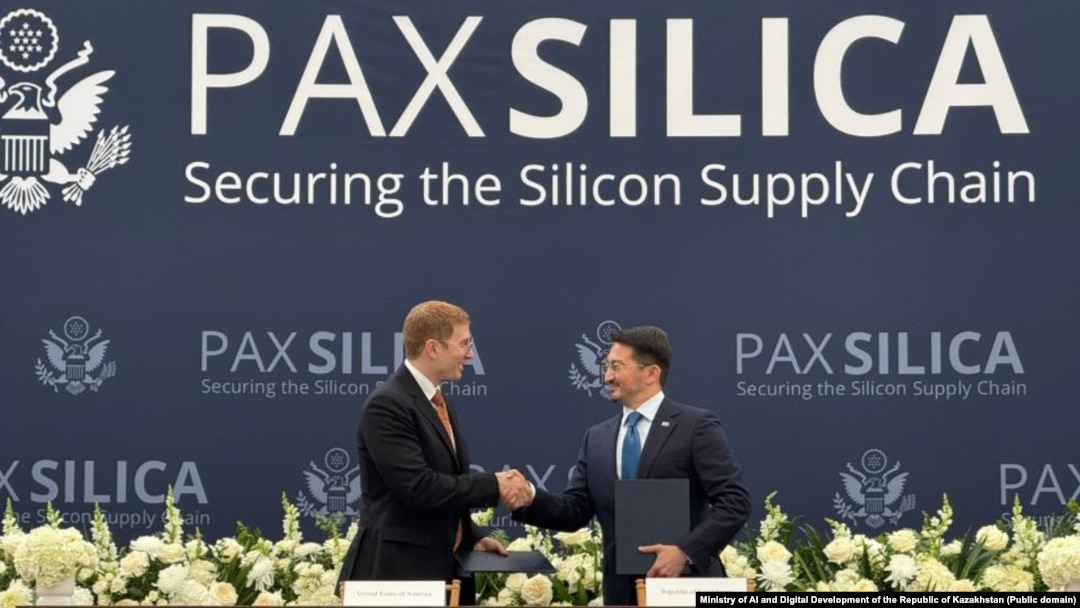
In US-China AI Race, Kazakhstan Faces Pressure To Pick A Side
Recent reporting indicates that Kazakhstan is navigating significant geopolitical pressure regarding its stance in the intensifying artificial intelligence competition between the United States and China.
The story
in brief.
What happened, who it affects, and why it landed on our intelligence desk — in plain English, sixty seconds or less.
Recent reporting indicates that Kazakhstan is navigating significant geopolitical pressure regarding its stance in the intensifying artificial intelligence competition between the United States and China. As both global powers seek to expand their technological influence, Central Asian nations find themselves at a strategic crossroads. This development highlights the growing intersection of national security, technology policy, and international diplomacy. For professionals operating in or with connections to this region, understanding these dynamics is increasingly critical. The situation underscores how macro-level geopolitical shifts directly influence local regulatory environments and business operations, requiring stakeholders to remain vigilant about evolving political alignments and their potential impact on cross-border collaboration.
Indicative index of skill mentions in professional job postings for the field this story moves (2019 = 1)
What this means
for your career.
Every headline redistributes opportunity. Here is who this one rewards — and how to be on the right side of it.
You must recognise that geopolitical friction directly shapes the regulatory landscape for technology adoption. Professionals in Central Asia and those managing international supply chains should prioritise skills in compliance, risk assessment, and strategic agility. As nations align with specific technological ecosystems, familiarity with diverse AI frameworks becomes a distinct competitive advantage. You should actively monitor policy changes affecting data sovereignty and cross-border data flows. Invest in understanding how geopolitical alliances influence procurement decisions and partnership opportunities. By developing a nuanced grasp of both US and Chinese technological standards, you position yourself as a valuable bridge in an increasingly fragmented market. Proactively updating your knowledge of international trade regulations and digital governance will safeguard your career against sudden policy shifts.
For this story, the fields that convert it into pay are AI Strategy, Cyber Security, Compliance And Governance and Risk Management Strategies — exactly the programmes matched below. The chart shows the indicative salary uplift certified professionals report in each of those fields; every one of them is a click away, from £79, finishing in as few as 20 days.
Indicative ranges from published continuing-education salary studies, by field — each field is a recommended course below
Enrol in these
to benefit.
These programmes position you for exactly this shift — online, self-paced, and finishing with a verifiable certificate you can share the day you pass.
 Best match
Certificate in AI Strategy
 Recommended
Certificate in Cyber Security
 Recommended
Certificate in Compliance And Governance
 Recommended
Certificate in Risk Management Strategies
Launch pricing shown against standard certificate value. The fee you see today is the fee you lock in.
This briefing is based on reporting by Radio Free Europe/Radio Liberty on 13 Sep, 13:43. Read the original coverage →
Read the news. Then outrun it.
Every OnlineUni programme is online, self-paced and from £79 — so a headline today can be your credential this month.