
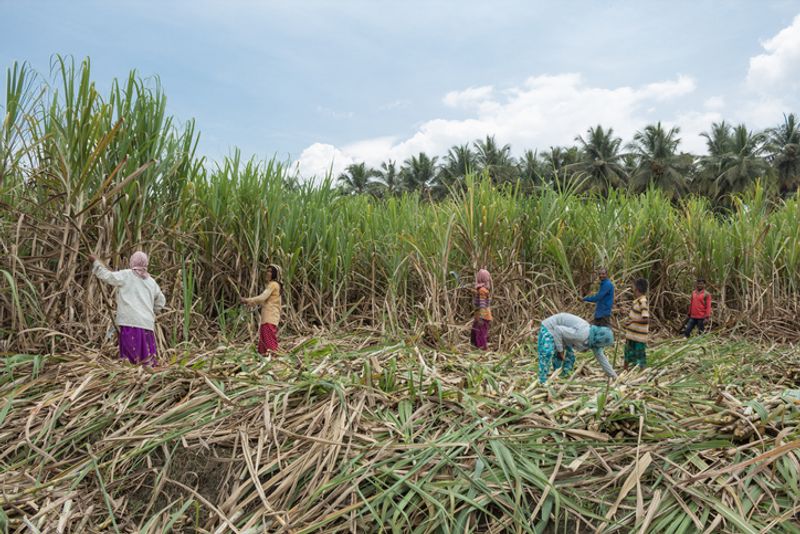
India bars sugarcane juice, syrup for ethanol production in 2026-27
India has officially prohibited the utilisation of sugarcane juice and syrup for ethanol production during the 2026-27 agricultural cycle.
The story
in brief.
What happened, who it affects, and why it landed on our intelligence desk — in plain English, sixty seconds or less.
India has officially prohibited the utilisation of sugarcane juice and syrup for ethanol production during the 2026-27 agricultural cycle. This regulatory decision aims to prioritise food security and stabilise domestic sugar prices, ensuring adequate supply for human consumption rather than industrial biofuel manufacturing. The ban represents a strategic shift in national biofuel policy, temporarily halting the diversion of these specific sugarcane derivatives into the energy sector. Professionals in agriculture, energy, and policy must note this immediate change in permissible feedstock, which directly affects supply chain planning and production targets for ethanol plants across the country.
Indicative index of skill mentions in professional job postings for the field this story moves (2019 = 1)
What this means
for your career.
Every headline redistributes opportunity. Here is who this one rewards — and how to be on the right side of it.
You must adapt your strategy to this sudden policy reversal. If you work in bioenergy or agri-business, traditional supply chains are disrupted. You need to pivot your focus towards alternative feedstocks, such as molasses or agricultural residues, which remain viable for ethanol production. Skills in regulatory compliance and risk management are now critical. You should audit your current operational models to ensure alignment with the new restrictions. Professionals in supply chain management must renegotiate contracts and explore diversification strategies immediately. Do not ignore this shift; instead, leverage it to demonstrate agility. Upskill in sustainability management and policy analysis to navigate future regulatory uncertainties. Your next move is to identify resilient feedstock alternatives and communicate these adjustments to stakeholders, positioning yourself as a proactive problem-solver in a volatile market.
For this story, the fields that convert it into pay are Supply Chain, Sustainability management, Compliance And Governance and Risk Management Strategies — exactly the programmes matched below. The chart shows the indicative salary uplift certified professionals report in each of those fields; every one of them is a click away, from £79, finishing in as few as 20 days.
Indicative ranges from published continuing-education salary studies, by field — each field is a recommended course below
Enrol in these
to benefit.
These programmes position you for exactly this shift — online, self-paced, and finishing with a verifiable certificate you can share the day you pass.
 Best match
Certificate in Supply Chain
Recommended
Certificate in Sustainability management
 Recommended
Certificate in Compliance And Governance
 Recommended
Certificate in Risk Management Strategies
Launch pricing shown against standard certificate value. The fee you see today is the fee you lock in.
This briefing is based on reporting by The Tribune on 18 Oct, 11:27. Read the original coverage →
Read the news. Then outrun it.
Every OnlineUni programme is online, self-paced and from £79 — so a headline today can be your credential this month.