
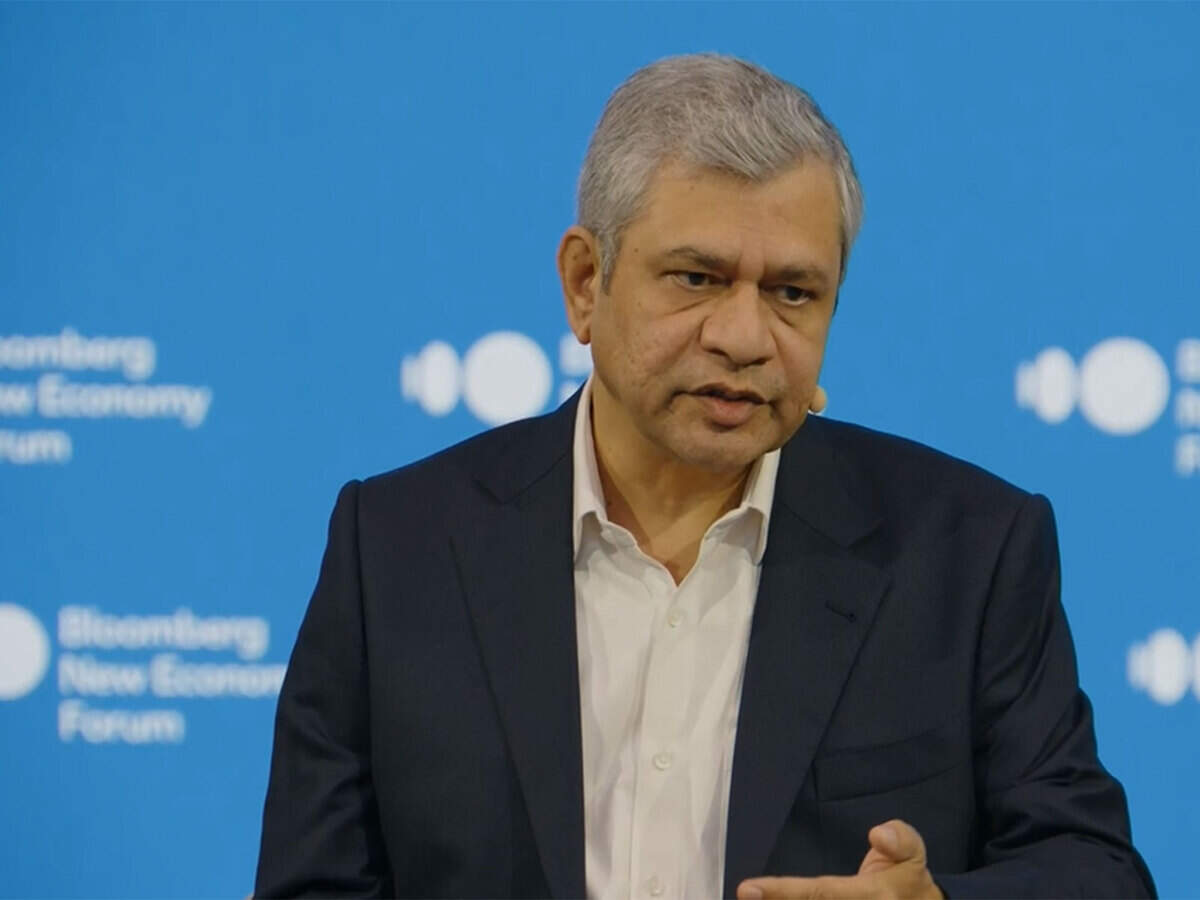
India eyes reduced critical tech dependence over next 20-25 years: Ashwini Vaishnaw
Union Minister Ashwini Vaishnaw has outlined a strategic roadmap to significantly reduce India’s reliance on foreign technology within the next twenty to twenty-five years.
The story
in brief.
What happened, who it affects, and why it landed on our intelligence desk — in plain English, sixty seconds or less.
Union Minister Ashwini Vaishnaw has outlined a strategic roadmap to significantly reduce India’s reliance on foreign technology within the next twenty to twenty-five years. The government intends to bolster domestic capabilities in critical sectors, including semiconductors, artificial intelligence, and advanced manufacturing. This long-term vision aims to strengthen national security and economic sovereignty by fostering indigenous innovation and reducing vulnerabilities associated with global supply chain dependencies. The initiative signals a major shift towards self-reliance in core technological infrastructure, encouraging local industry and academia to collaborate on developing homegrown solutions for essential digital and hardware technologies.
Indicative index of skill mentions in professional job postings for the field this story moves (2019 = 1)
What this means
for your career.
Every headline redistributes opportunity. Here is who this one rewards — and how to be on the right side of it.
This strategic pivot creates substantial opportunities for professionals specialising in core engineering and indigenous technology development. If you work in software, hardware, or systems integration, prioritise skills in semiconductor design, embedded systems, and secure software architecture. The government’s focus on self-reliance means roles in R&D and domestic manufacturing will gain prestige and investment. You should actively seek certifications in hardware engineering or cyber security to align with national priorities. Furthermore, understanding regulatory frameworks and compliance for local tech adoption will differentiate you. Do not ignore traditional engineering disciplines; they are foundational to this transition. Position yourself as an expert who can bridge the gap between theoretical innovation and practical, locally manufacturable solutions. Engage with industry groups focused on ‘Make in India’ initiatives to network and identify emerging project opportunities within this growing domestic ecosystem.
For this story, the fields that convert it into pay are Engineering, Cyber Security, Artificial Intelligence and Cloud Computing — exactly the programmes matched below. The chart shows the indicative salary uplift certified professionals report in each of those fields; every one of them is a click away, from £79, finishing in as few as 20 days.
Indicative ranges from published continuing-education salary studies, by field — each field is a recommended course below
Enrol in these
to benefit.
These programmes position you for exactly this shift — online, self-paced, and finishing with a verifiable certificate you can share the day you pass.
 Best match
Certificate in Engineering
 Recommended
Certificate in Cyber Security
 Recommended
Certificate in Artificial Intelligence
 Recommended
Certificate in Cloud Computing
Launch pricing shown against standard certificate value. The fee you see today is the fee you lock in.
This briefing is based on reporting by The Economic Times on 14 Oct, 04:20. Read the original coverage →
Read the news. Then outrun it.
Every OnlineUni programme is online, self-paced and from £79 — so a headline today can be your credential this month.