
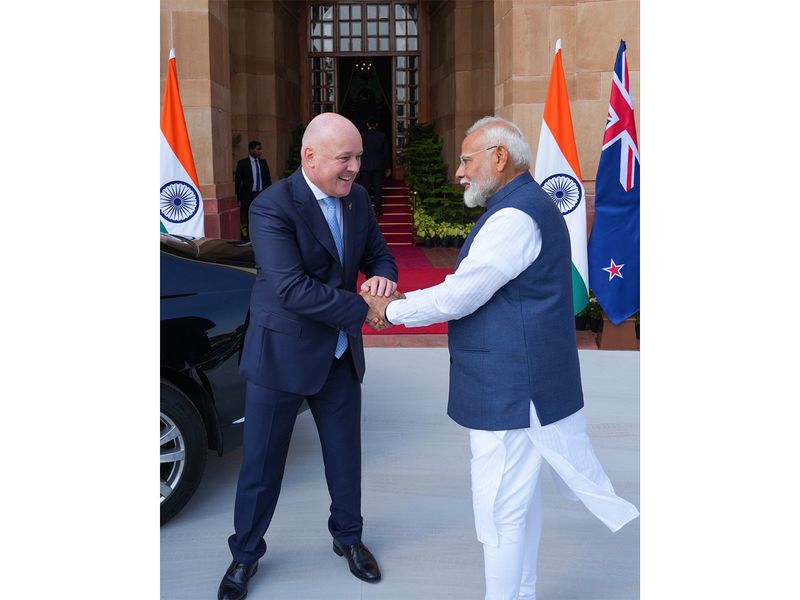
India-New Zealand FTA comes into force, offers zero-duty access for Indian goods, new visa pathways
The India-New Zealand Free Trade Agreement has officially commenced, establishing a comprehensive economic framework between the two nations.
The story
in brief.
What happened, who it affects, and why it landed on our intelligence desk — in plain English, sixty seconds or less.
The India-New Zealand Free Trade Agreement has officially commenced, establishing a comprehensive economic framework between the two nations. Key provisions include zero-duty access for a significant volume of Indian exports, facilitating smoother trade flows. Additionally, the agreement introduces new visa pathways designed to enhance labour mobility and professional exchanges. This development signals a strategic deepening of bilateral ties, impacting sectors ranging from agriculture to services. Professionals operating within these markets should note the immediate reduction in trade barriers and the expanded opportunities for cross-border collaboration and talent acquisition under the new regulatory structure.
Indicative index of skill mentions in professional job postings for the field this story moves (2019 = 1)
What this means
for your career.
Every headline redistributes opportunity. Here is who this one rewards — and how to be on the right side of it.
This agreement directly elevates the value of skills in international trade compliance, cross-cultural negotiation, and supply chain optimisation. If you operate in agriculture, dairy, or professional services, you must now understand bilateral tariff structures and regulatory alignment. Professionals in logistics and HR should monitor the new visa categories to facilitate talent mobility. A smart professional immediately reviews their organisation’s export capabilities to identify zero-duty opportunities. You should also upskill in international contract law and trade finance to manage the increased volume of cross-border transactions. Prioritise understanding the specific visa requirements to streamline hiring or deployment. Ignoring these regulatory shifts risks competitive disadvantage, while leveraging them can unlock new revenue streams and talent pools in the Asia-Pacific region.
For this story, the fields that convert it into pay are Supply Chain, Compliance And Governance, Law and Business And Management — exactly the programmes matched below. The chart shows the indicative salary uplift certified professionals report in each of those fields; every one of them is a click away, from £79, finishing in as few as 20 days.
Indicative ranges from published continuing-education salary studies, by field — each field is a recommended course below
Enrol in these
to benefit.
These programmes position you for exactly this shift — online, self-paced, and finishing with a verifiable certificate you can share the day you pass.
 Best match
Certificate in Supply Chain
 Recommended
Certificate in Compliance And Governance
Recommended
Certificate in Law
Recommended
Certificate in Business And Management
Launch pricing shown against standard certificate value. The fee you see today is the fee you lock in.
This briefing is based on reporting by The Tribune on 20 Oct, 04:04. Read the original coverage →
Read the news. Then outrun it.
Every OnlineUni programme is online, self-paced and from £79 — so a headline today can be your credential this month.