
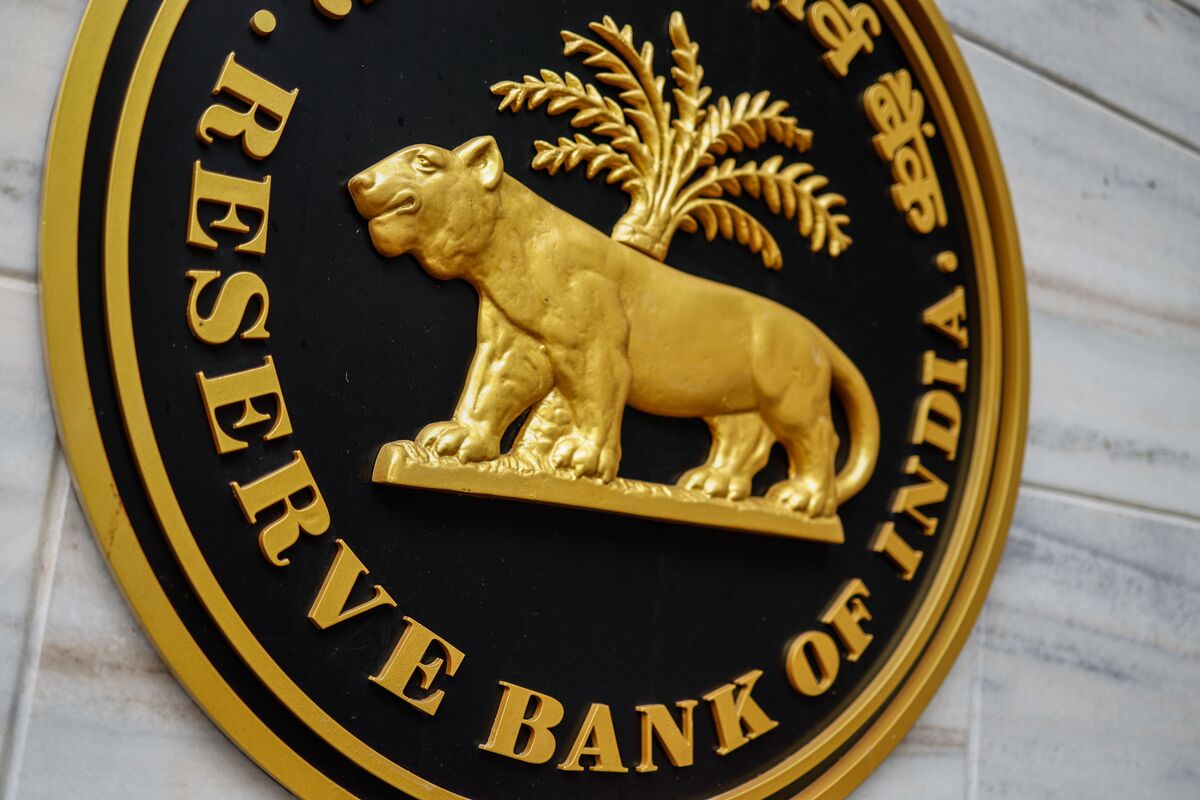
India RBI Uses Currency Swaps to Cut $115 Billion Cash Surplus
The Reserve Bank of India has deployed currency swaps to reduce a substantial cash surplus valued at one hundred and fifteen billion dollars.
The story
in brief.
What happened, who it affects, and why it landed on our intelligence desk — in plain English, sixty seconds or less.
The Reserve Bank of India has deployed currency swaps to reduce a substantial cash surplus valued at one hundred and fifteen billion dollars. This monetary policy intervention aims to manage liquidity within the financial system and stabilise foreign exchange reserves. By executing these swaps, the central bank addresses excess liquidity without altering interest rates directly. The move reflects a strategic approach to maintaining monetary stability amidst global economic fluctuations. Professionals should note this as a significant shift in how central banks manage large-scale liquidity, highlighting the ongoing complexity of international finance and the critical role of sovereign monetary tools in economic regulation.
Indicative index of skill mentions in professional job postings for the field this story moves (2019 = 1)
What this means
for your career.
Every headline redistributes opportunity. Here is who this one rewards — and how to be on the right side of it.
This development signals heightened volatility in emerging market currencies, making expertise in macroeconomic analysis increasingly vital. You should focus on understanding how central bank interventions affect corporate treasury operations and cross-border transactions. Professionals in finance must sharpen their skills in risk mitigation and liquidity management. If you work in international trade, anticipate stricter compliance requirements and fluctuating exchange rates. A smart professional will immediately review their organisation’s hedging strategies and update financial models to reflect potential currency shifts. Prioritise learning advanced financial modelling and regulatory compliance to navigate this complex landscape. Your ability to interpret central bank policies will distinguish you in strategic planning roles, ensuring your organisation remains resilient against sudden monetary policy changes.
For this story, the fields that convert it into pay are Finance and Accounting, Risk Management Strategies, Financial Modeling and Compliance And Governance — exactly the programmes matched below. The chart shows the indicative salary uplift certified professionals report in each of those fields; every one of them is a click away, from £79, finishing in as few as 20 days.
Indicative ranges from published continuing-education salary studies, by field — each field is a recommended course below
Enrol in these
to benefit.
These programmes position you for exactly this shift — online, self-paced, and finishing with a verifiable certificate you can share the day you pass.
 Best match
Certificate in Finance and Accounting
 Recommended
Certificate in Risk Management Strategies
 Recommended
Certificate in Financial Modeling
 Recommended
Certificate in Compliance And Governance
Launch pricing shown against standard certificate value. The fee you see today is the fee you lock in.
This briefing is based on reporting by Bloomberg.com on 9 Sep, 09:30. Read the original coverage →
Read the news. Then outrun it.
Every OnlineUni programme is online, self-paced and from £79 — so a headline today can be your credential this month.