
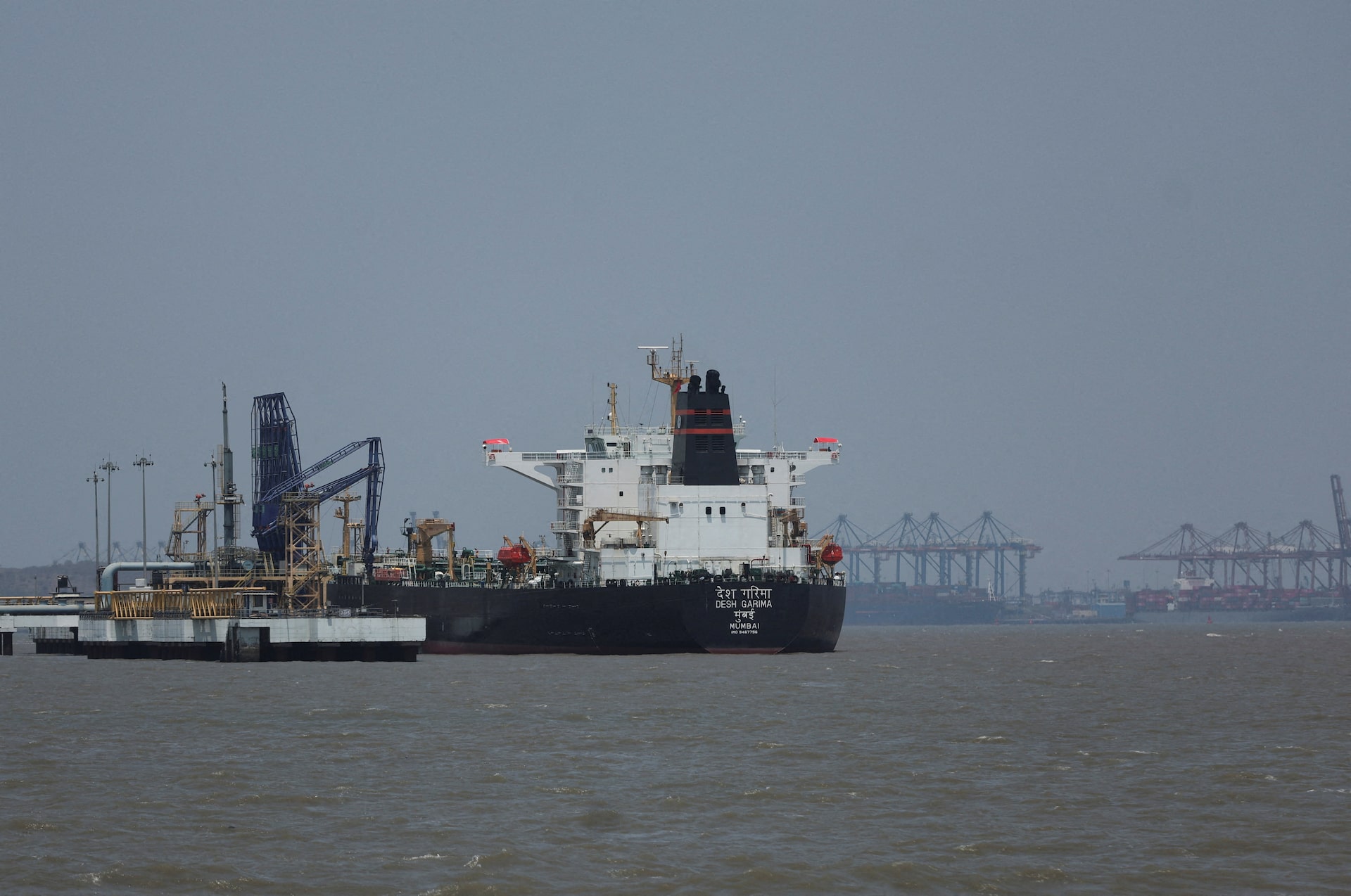
India's Mideast oil imports return to pre-war levels in September
India’s crude oil imports from the Middle East have rebounded to levels seen before recent geopolitical conflicts, according to September data reported by Reuters.
The story
in brief.
What happened, who it affects, and why it landed on our intelligence desk — in plain English, sixty seconds or less.
India’s crude oil imports from the Middle East have rebounded to levels seen before recent geopolitical conflicts, according to September data reported by Reuters. This recovery indicates stabilising trade flows despite ongoing regional tensions. The trend suggests that supply chain disruptions are easing, allowing normal commercial operations to resume. For professionals monitoring global energy markets, this signals a return to baseline volatility rather than acute crisis. It reflects resilient demand in India and the Middle East’s continued dominance as a primary supplier. The data underscores the importance of monitoring real-time trade metrics to understand shifting geopolitical impacts on commodity flows and economic stability in emerging markets.
Indicative index of skill mentions in professional job postings for the field this story moves (2019 = 1)
What this means
for your career.
Every headline redistributes opportunity. Here is who this one rewards — and how to be on the right side of it.
You should interpret this stabilisation as a signal that supply chain volatility is decreasing, allowing you to focus on long-term efficiency rather than emergency contingency planning. Professionals in logistics and energy trading must now prioritise optimisation skills over crisis management. If you work in procurement, refine your forecasting models to anticipate smoother flows. For those in finance, this data supports more stable hedging strategies against oil price fluctuations. You should enhance your expertise in risk assessment to identify subtle market shifts before they escalate. Consider upskilling in supply chain analytics to leverage this stability for cost reduction. Smart professionals will now invest in strategic planning courses, ensuring they can capitalise on predictable trade patterns. Monitor geopolitical developments closely, but shift your daily focus towards operational excellence and data-driven decision-making in your sector.
For this story, the fields that convert it into pay are Supply Chain, Risk Management Strategies, Maritime Logistics and Finance and Accounting — exactly the programmes matched below. The chart shows the indicative salary uplift certified professionals report in each of those fields; every one of them is a click away, from £79, finishing in as few as 20 days.
Indicative ranges from published continuing-education salary studies, by field — each field is a recommended course below
Enrol in these
to benefit.
These programmes position you for exactly this shift — online, self-paced, and finishing with a verifiable certificate you can share the day you pass.
 Best match
Certificate in Supply Chain
 Recommended
Certificate in Risk Management Strategies
 Recommended
Certificate in Maritime Logistics
 Recommended
Certificate in Finance and Accounting
Launch pricing shown against standard certificate value. The fee you see today is the fee you lock in.
This briefing is based on reporting by Reuters on 22 Oct, 06:02. Read the original coverage →
Read the news. Then outrun it.
Every OnlineUni programme is online, self-paced and from £79 — so a headline today can be your credential this month.