
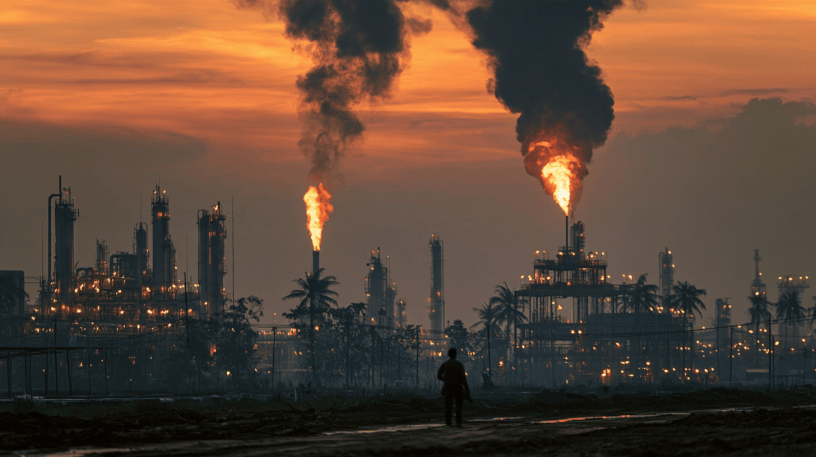
Indonesia Cuts Gas Exports to Singapore as Domestic Demand and Haze Tensions Rise
Indonesia has implemented restrictions on natural gas exports to Singapore, citing heightened domestic energy requirements and ongoing diplomatic tensions regarding regional haze pollution.
The story
in brief.
What happened, who it affects, and why it landed on our intelligence desk — in plain English, sixty seconds or less.
Indonesia has implemented restrictions on natural gas exports to Singapore, citing heightened domestic energy requirements and ongoing diplomatic tensions regarding regional haze pollution. This strategic shift disrupts established regional energy supply chains, potentially causing price volatility and supply shortages for Singaporean utilities and industries reliant on Indonesian gas. The move underscores the fragility of cross-border energy dependencies in Southeast Asia, highlighting how environmental disputes can directly influence trade policies. Professionals in energy, logistics, and international relations must now navigate a more complex geopolitical landscape where environmental compliance and national security interests increasingly dictate commercial flows.
Indicative index of skill mentions in professional job postings for the field this story moves (2019 = 1)
What this means
for your career.
Every headline redistributes opportunity. Here is who this one rewards — and how to be on the right side of it.
This development signals that geopolitical and environmental risks are now primary drivers of market volatility. You must prioritise skills in crisis management and risk mitigation to safeguard your organisation’s supply chains. Professionals in energy trading, logistics, and corporate strategy should immediately review contingency plans for alternative energy sources. Focus on understanding regulatory compliance and diplomatic negotiations, as these will determine future trade stability. Upskill in crisis management to lead teams through sudden supply disruptions. Additionally, deepen your expertise in sustainability management, as environmental performance now directly impacts commercial viability. Monitor regional policy shifts closely, and develop scenarios for diversifying supplier networks to reduce dependency on single-source imports.
For this story, the fields that convert it into pay are Crisis Management, Supply Chain, Risk Management Strategies and Sustainability management — exactly the programmes matched below. The chart shows the indicative salary uplift certified professionals report in each of those fields; every one of them is a click away, from £79, finishing in as few as 20 days.
Indicative ranges from published continuing-education salary studies, by field — each field is a recommended course below
Enrol in these
to benefit.
These programmes position you for exactly this shift — online, self-paced, and finishing with a verifiable certificate you can share the day you pass.
 Best match
Certificate in Crisis Management
 Recommended
Certificate in Supply Chain
 Recommended
Certificate in Risk Management Strategies
Recommended
Certificate in Sustainability management
Launch pricing shown against standard certificate value. The fee you see today is the fee you lock in.
This briefing is based on reporting by Eurasia Business News on 24 Oct, 14:15. Read the original coverage →
Read the news. Then outrun it.
Every OnlineUni programme is online, self-paced and from £79 — so a headline today can be your credential this month.