
Industrial Intelligence: The next growth opportunity for manufacturing
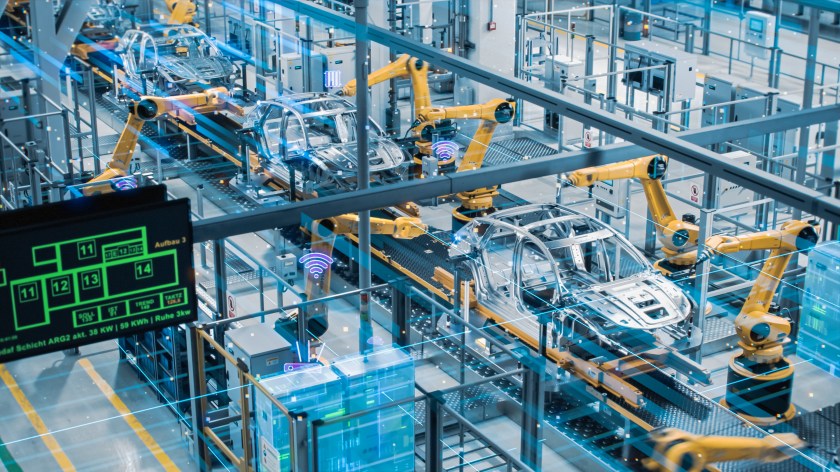
MIT Technology Review reports that industrial intelligence is emerging as the primary growth vector for the manufacturing sector.
The story
in brief.
What happened, who it affects, and why it landed on our intelligence desk — in plain English, sixty seconds or less.
MIT Technology Review reports that industrial intelligence is emerging as the primary growth vector for the manufacturing sector. This shift involves integrating advanced data analytics, artificial intelligence, and interconnected systems into traditional production environments. The article details how these technologies enable predictive maintenance, real-time quality control, and optimised supply chain operations. Rather than replacing human labour entirely, this evolution redefines operational workflows, demanding a workforce capable of interpreting complex data streams. The sector is moving from reactive processes to proactive, insight-driven decision-making, fundamentally altering how factories operate and compete globally in an increasingly digital economy.
Indicative index of skill mentions in professional job postings for the field this story moves (2019 = 1)
What this means
for your career.
Every headline redistributes opportunity. Here is who this one rewards — and how to be on the right side of it.
This shift demands that you bridge the gap between physical operations and digital analytics. Traditional engineering roles now require fluency in data interpretation and algorithmic decision-making. You should prioritise skills in predictive analytics, machine learning applications for industrial settings, and system integration. Professionals in operations, quality assurance, and production management must adapt quickly to remain relevant. A smart next step is to upskill in data science fundamentals tailored for manufacturing contexts. Seek certifications in industrial IoT or AI strategy to demonstrate your ability to leverage technology for efficiency. Ignoring this trend risks obsolescence, whereas mastering it positions you as a critical asset in modernising legacy systems and driving operational excellence.
For this story, the fields that convert it into pay are Artificial Intelligence, Data Science, Engineering and Supply Chain — exactly the programmes matched below. The chart shows the indicative salary uplift certified professionals report in each of those fields; every one of them is a click away, from £79, finishing in as few as 20 days.
Indicative ranges from published continuing-education salary studies, by field — each field is a recommended course below
Enrol in these
to benefit.
These programmes position you for exactly this shift — online, self-paced, and finishing with a verifiable certificate you can share the day you pass.
 Best match
Certificate in Artificial Intelligence
 Recommended
Certificate in Data Science
 Recommended
Certificate in Engineering
 Recommended
Certificate in Supply Chain
Launch pricing shown against standard certificate value. The fee you see today is the fee you lock in.
This briefing is based on reporting by MIT Technology Review on 27 Oct, 11:19. Read the original coverage →
Read the news. Then outrun it.
Every OnlineUni programme is online, self-paced and from £79 — so a headline today can be your credential this month.