
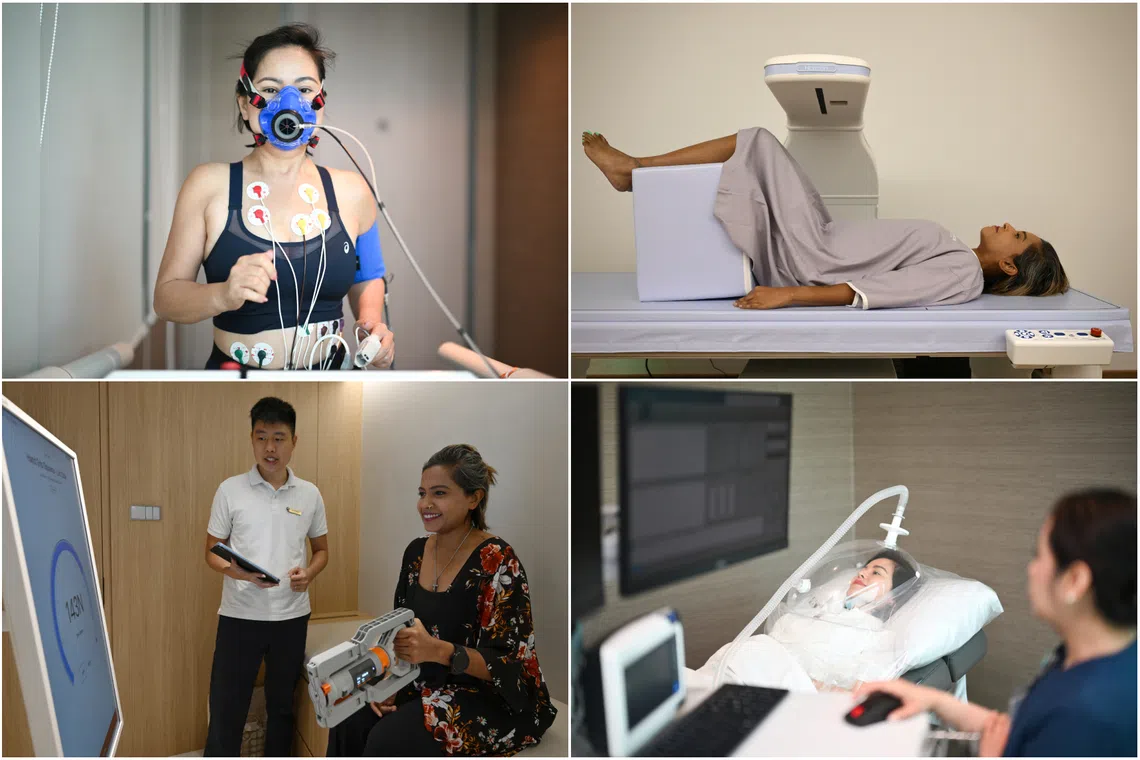
Investing in the future of health: Singapore’s growing longevity sector
Singapore is actively positioning itself as a global capital to support its expanding longevity economy, aiming to address the financial and operational challenges of an ageing population.
The story
in brief.
What happened, who it affects, and why it landed on our intelligence desk — in plain English, sixty seconds or less.
Singapore is actively positioning itself as a global capital to support its expanding longevity economy, aiming to address the financial and operational challenges of an ageing population. The government and private sector are collaborating to foster innovation in healthcare, eldercare, and wellness technologies. This strategic investments. This initiative seeks to transform demographic pressures into economic opportunities by developing a robust ecosystem for age-tech solutions. The move signals a significant shift in national priorities, emphasising sustainable growth within the health sector. Professionals should note that this development underscores the increasing importance of specialised skills in managing complex healthcare systems and integrating technology into patient care pathways.
Indicative index of skill mentions in professional job postings for the field this story moves (2019 = 1)
What this means
for your career.
Every headline redistributes opportunity. Here is who this one rewards — and how to be on the right side of it.
This shift creates immediate demand for professionals who can bridge clinical expertise with strategic business acumen. You must recognise that longevity is not merely about medical treatment but involves holistic lifestyle management and data-driven care models. Roles in operational efficiency, regulatory compliance, and technology integration within healthcare settings will see heightened value. If you work in health services, you should upskill in data analytics to interpret patient trends effectively. Those in finance or management must understand the unique risk profiles of age-tech investments. A smart professional would immediately assess their current toolkit for gaps in digital health literacy or regulatory knowledge. Prioritise courses that enhance your ability to manage cross-functional teams in high-stakes environments. By positioning yourself at the intersection of care delivery and technological innovation, you secure relevance in a rapidly evolving sector that defines Singapore’s future economic landscape.
For this story, the fields that convert it into pay are Healthcare Management, Healthcare Data Analytics, Compliance And Governance and Risk Management Strategies — exactly the programmes matched below. The chart shows the indicative salary uplift certified professionals report in each of those fields; every one of them is a click away, from £79, finishing in as few as 20 days.
Indicative ranges from published continuing-education salary studies, by field — each field is a recommended course below
Enrol in these
to benefit.
These programmes position you for exactly this shift — online, self-paced, and finishing with a verifiable certificate you can share the day you pass.
 Best match
Certificate in Healthcare Management
 Recommended
Certificate in Healthcare Data Analytics
Recommended
Certificate in Compliance And Governance
 Recommended
Certificate in Risk Management Strategies
Launch pricing shown against standard certificate value. The fee you see today is the fee you lock in.
This briefing is based on reporting by The Straits Times on 4 Sep, 21:00. Read the original coverage →
Read the news. Then outrun it.
Every OnlineUni programme is online, self-paced and from £79 — so a headline today can be your credential this month.