
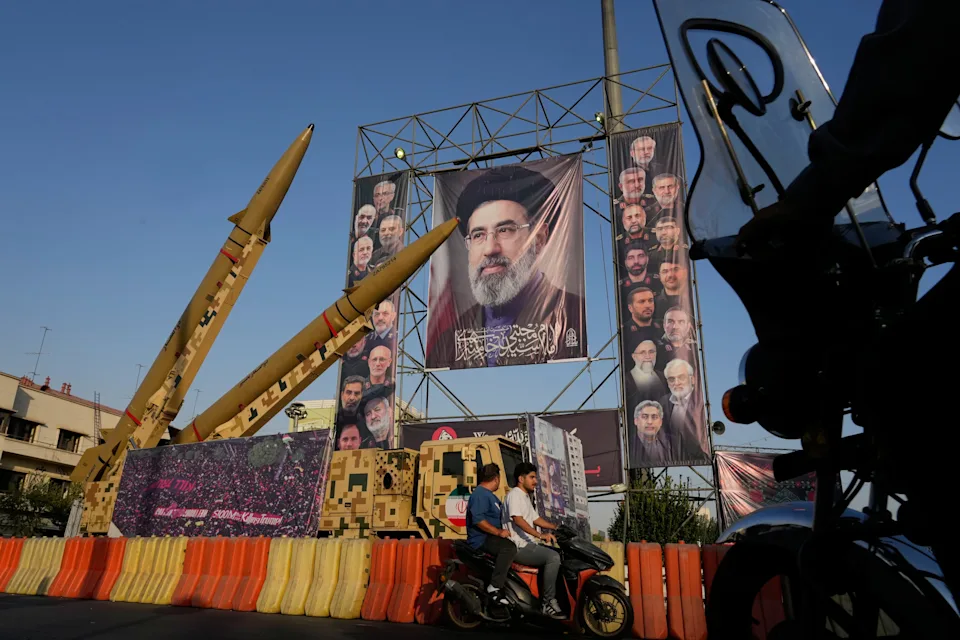
Iran's currency hits a new record low as war erodes the country's economic stability
Iran's national currency has depreciated to an unprecedented low, signalling severe economic instability exacerbated by ongoing regional conflict.
The story
in brief.
What happened, who it affects, and why it landed on our intelligence desk — in plain English, sixty seconds or less.
Iran's national currency has depreciated to an unprecedented low, signalling severe economic instability exacerbated by ongoing regional conflict. This development underscores the fragility of local purchasing power and complicates international trade relations. For professionals, it highlights the acute risks associated with geopolitical volatility and currency fluctuation. The situation demands immediate attention from those involved in Middle Eastern markets, particularly in sectors reliant on stable financial frameworks. Understanding these macroeconomic shifts is crucial for maintaining business continuity and protecting asset value amidst such turbulence.
Indicative index of skill mentions in professional job postings for the field this story moves (2019 = 1)
What this means
for your career.
Every headline redistributes opportunity. Here is who this one rewards — and how to be on the right side of it.
You must now prioritise risk mitigation and financial resilience in your career strategy. Professionals in finance, supply chain, and international business should immediately review exposure to volatile currencies. Skills in risk management and crisis leadership are surging in value as organisations seek stability. You should develop expertise in hedging strategies and alternative payment systems to protect revenue streams. Consider upskilling in compliance and governance to navigate potential sanctions or regulatory changes. A smart professional would diversify their skill set to include economic forecasting and strategic planning under uncertainty. Focus on roles that offer geographic flexibility or remote work capabilities to reduce dependency on single-market economies. Proactively update your CV to highlight adaptability and crisis response experience, positioning yourself as a stabilising force in turbulent times.
For this story, the fields that convert it into pay are Risk Management Strategies, Crisis Management, Finance and Accounting and Supply Chain — exactly the programmes matched below. The chart shows the indicative salary uplift certified professionals report in each of those fields; every one of them is a click away, from £79, finishing in as few as 20 days.
Indicative ranges from published continuing-education salary studies, by field — each field is a recommended course below
Enrol in these
to benefit.
These programmes position you for exactly this shift — online, self-paced, and finishing with a verifiable certificate you can share the day you pass.
 Best match
Certificate in Risk Management Strategies
 Recommended
Certificate in Crisis Management
 Recommended
Certificate in Finance and Accounting
 Recommended
Certificate in Supply Chain
Launch pricing shown against standard certificate value. The fee you see today is the fee you lock in.
This briefing is based on reporting by finance.yahoo.com on 29 Sep, 10:19. Read the original coverage →
Read the news. Then outrun it.
Every OnlineUni programme is online, self-paced and from £79 — so a headline today can be your credential this month.