
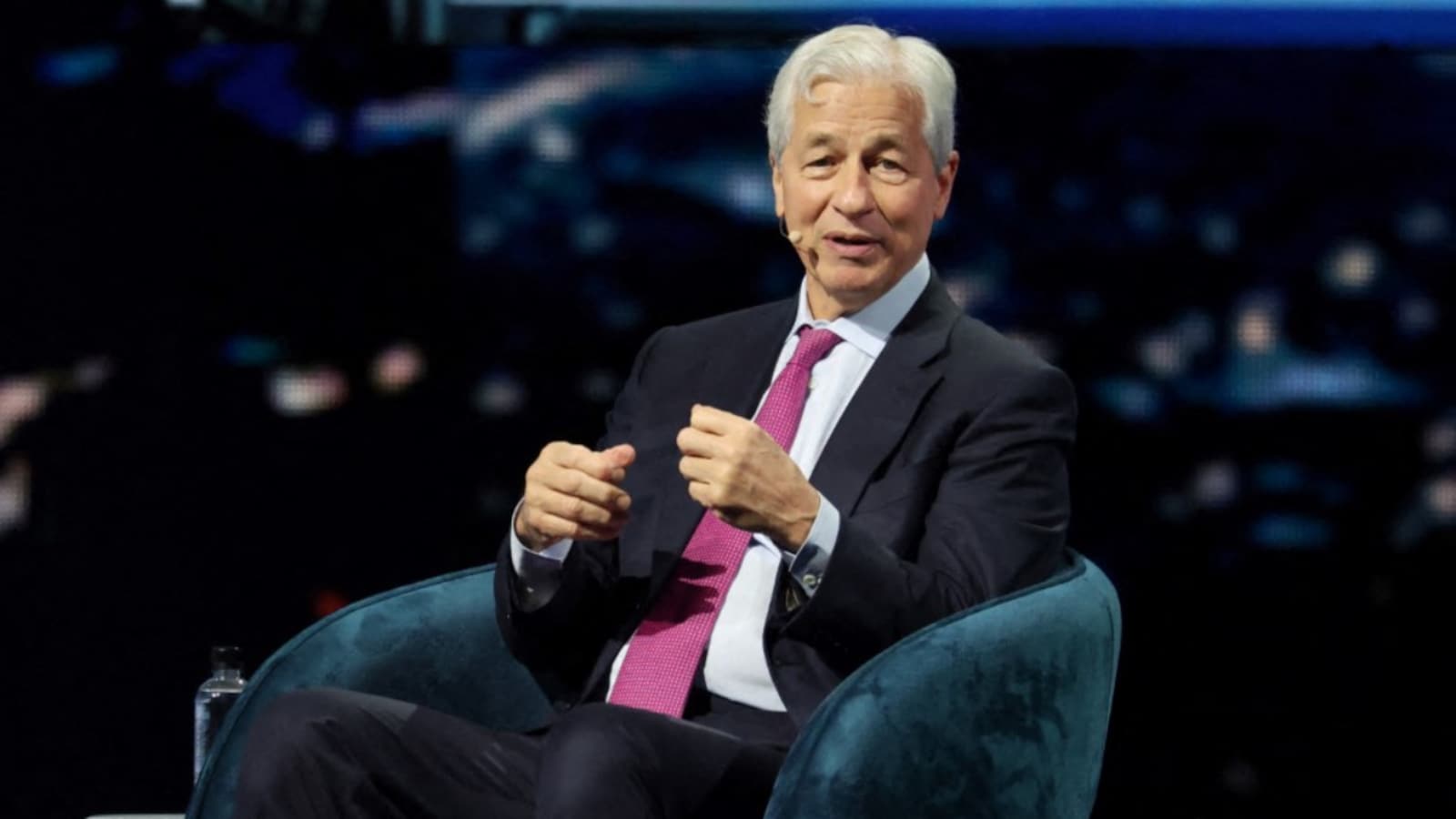
Jamie Dimon says US shouldn't punish India over Russian oil: 'Hopefully America will understand'
JPMorgan CEO Jamie Dimon has urged the United States against penalising India for its continued importation of Russian crude oil.
The story
in brief.
What happened, who it affects, and why it landed on our intelligence desk — in plain English, sixty seconds or less.
JPMorgan CEO Jamie Dimon has urged the United States against penalising India for its continued importation of Russian crude oil. Speaking at a recent conference, Dimon suggested that American policymakers should recognise the strategic necessity of India’s energy purchases. He implied that Washington should adopt a more pragmatic approach, understanding India’s need to secure affordable energy supplies amidst global supply chain disruptions. This statement highlights the growing tension between geopolitical alliances and economic realities, suggesting that traditional diplomatic pressure may be ineffective. The comments underscore the complex interplay between global energy markets and international relations, particularly regarding how major economies navigate sanctions while maintaining essential trade relationships.
Indicative index of skill mentions in professional job postings for the field this story moves (2019 = 1)
What this means
for your career.
Every headline redistributes opportunity. Here is who this one rewards — and how to be on the right side of it.
You must understand that geopolitical volatility is no longer a background risk but a core business variable. Professionals in energy trading, international law, and strategic consulting will see their expertise valued highly as companies navigate complex sanction regimes. You should focus on developing skills in regulatory compliance and cross-border risk assessment. Monitor how multinational corporations adjust supply chains to balance cost efficiency with political exposure. A smart professional would deepen their knowledge of international trade law and energy economics. Consider upskilling in crisis management to help organisations anticipate and mitigate geopolitical shocks. Your ability to interpret diplomatic signals and translate them into actionable business strategy will distinguish you in the market. Stay agile, as policy shifts can rapidly alter commercial viability.
For this story, the fields that convert it into pay are Risk Management Strategies, Compliance And Governance, Crisis Management and Maritime Logistics — exactly the programmes matched below. The chart shows the indicative salary uplift certified professionals report in each of those fields; every one of them is a click away, from £79, finishing in as few as 20 days.
Indicative ranges from published continuing-education salary studies, by field — each field is a recommended course below
Enrol in these
to benefit.
These programmes position you for exactly this shift — online, self-paced, and finishing with a verifiable certificate you can share the day you pass.
 Best match
Certificate in Risk Management Strategies
 Recommended
Certificate in Compliance And Governance
 Recommended
Certificate in Crisis Management
 Recommended
Certificate in Maritime Logistics
Launch pricing shown against standard certificate value. The fee you see today is the fee you lock in.
This briefing is based on reporting by Moneycontrol.com on 22 Sep, 06:37. Read the original coverage →
Read the news. Then outrun it.
Every OnlineUni programme is online, self-paced and from £79 — so a headline today can be your credential this month.