
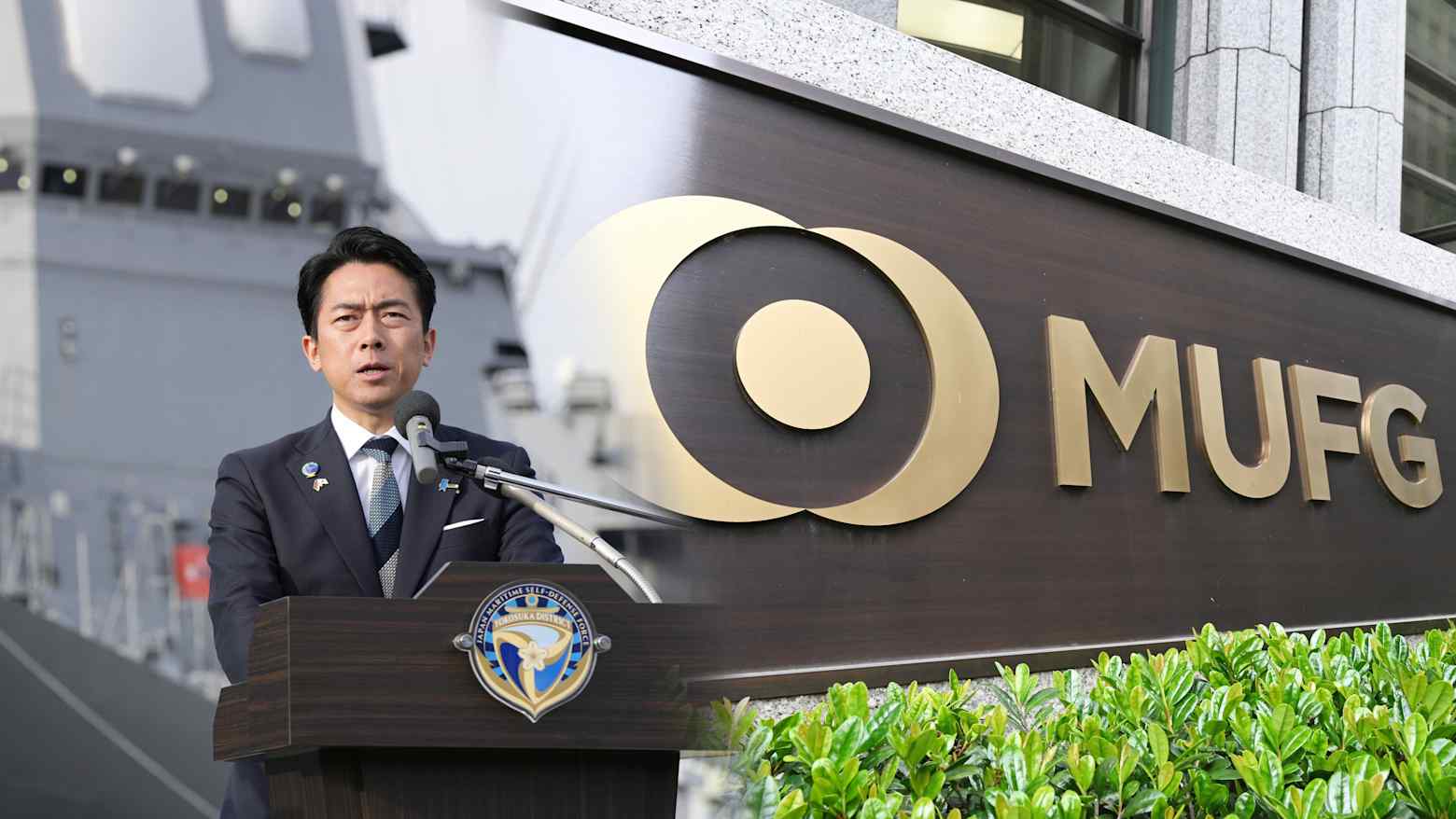
Japan's MUFG Bank to finance defense industry in shift from cautious stance
Mitsubishi UFJ Financial Group, Japan’s largest lender, has announced a strategic pivot to provide financing for the domestic defence industry.
The story
in brief.
What happened, who it affects, and why it landed on our intelligence desk — in plain English, sixty seconds or less.
Mitsubishi UFJ Financial Group, Japan’s largest lender, has announced a strategic pivot to provide financing for the domestic defence industry. This marks a significant departure from its historically cautious approach, which traditionally avoided such sectors due to political sensitivities and public opinion. The move aligns with broader national security policies and increasing defence spending mandates. For professionals, this signals a structural shift in Japanese corporate finance, opening new avenues in defence contracting and industrial policy. It reflects a broader trend of banks adapting to geopolitical realities, requiring stakeholders to understand the evolving regulatory landscape and the specific financial mechanisms supporting national security infrastructure development.
Indicative index of skill mentions in professional job postings for the field this story moves (2019 = 1)
What this means
for your career.
Every headline redistributes opportunity. Here is who this one rewards — and how to be on the right side of it.
You must recognise that traditional banking boundaries are eroding as geopolitical priorities reshape capital allocation. If you work in finance, you need to understand the regulatory frameworks governing defence contracts and the specific risk profiles associated with state-backed industrial projects. Professionals in project management and supply chain roles should anticipate increased demand for expertise in secure procurement and compliance-heavy logistics. You should update your knowledge of international trade laws and export controls, as these will become critical components of deal structuring. Smart professionals will now monitor policy shifts in East Asian security, positioning themselves to advise on the intersection of public sector mandates and private sector execution. Prioritise learning about defence procurement cycles and the financial instruments used to fund long-term industrial capacity building in this sector.
For this story, the fields that convert it into pay are Finance and Accounting, Risk Management Strategies, Compliance And Governance and Supply Chain — exactly the programmes matched below. The chart shows the indicative salary uplift certified professionals report in each of those fields; every one of them is a click away, from £79, finishing in as few as 20 days.
Indicative ranges from published continuing-education salary studies, by field — each field is a recommended course below
Enrol in these
to benefit.
These programmes position you for exactly this shift — online, self-paced, and finishing with a verifiable certificate you can share the day you pass.
 Best match
Certificate in Finance and Accounting
 Recommended
Certificate in Risk Management Strategies
 Recommended
Certificate in Compliance And Governance
 Recommended
Certificate in Supply Chain
Launch pricing shown against standard certificate value. The fee you see today is the fee you lock in.
This briefing is based on reporting by Nikkei Asia on 16 Sep, 09:04. Read the original coverage →
Read the news. Then outrun it.
Every OnlineUni programme is online, self-paced and from £79 — so a headline today can be your credential this month.