
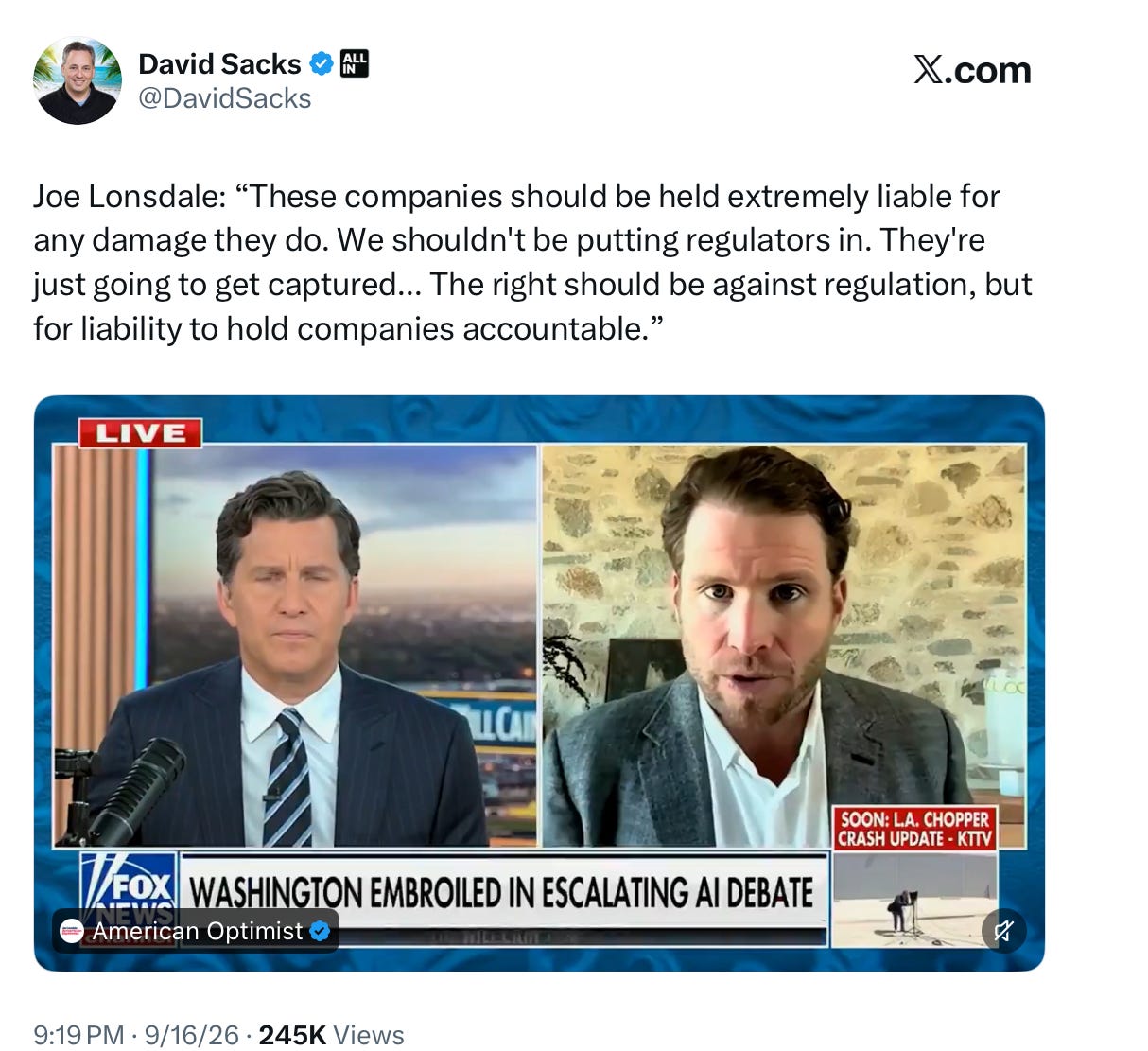
Liability, regulation, and AI’s new false dichotomy
Recent analysis highlights a critical shift in how professionals perceive artificial intelligence, challenging the simplistic binary between technological adoption and regulatory caution.
The story
in brief.
What happened, who it affects, and why it landed on our intelligence desk — in plain English, sixty seconds or less.
Recent analysis highlights a critical shift in how professionals perceive artificial intelligence, challenging the simplistic binary between technological adoption and regulatory caution. The narrative argues that viewing liability and innovation as mutually exclusive creates dangerous blind spots in strategic planning. Instead, organisations must navigate a complex landscape where robust governance frameworks enable, rather than hinder, responsible AI deployment. This perspective urges leaders to abandon false dichotomies, recognising that effective risk management is integral to sustainable digital transformation. The discussion emphasises that ignoring regulatory realities jeopardises long-term viability, while embracing compliance unlocks genuine competitive advantage in an increasingly scrutinised market.
Indicative index of skill mentions in professional job postings for the field this story moves (2019 = 1)
What this means
for your career.
Every headline redistributes opportunity. Here is who this one rewards — and how to be on the right side of it.
You must rethink how you integrate artificial intelligence into your daily workflow. Simply chasing efficiency is no longer sufficient; you need to understand the legal and ethical boundaries surrounding automated decision-making. Professionals who can bridge the gap between technical capability and regulatory compliance will see their market value soar. Pay particular attention if you operate in high-stakes sectors like finance or healthcare, where liability risks are acute. Your next step is to upskill in governance frameworks. Do not view regulation as a barrier, but as a strategic asset. Start by auditing your current processes for bias and accountability gaps. Seek roles that require cross-functional collaboration between legal, technical, and operational teams. Demonstrating that you can deploy AI responsibly will distinguish you from peers who focus solely on output speed.
For this story, the fields that convert it into pay are AI Strategy, Compliance And Governance, Risk Management Strategies and Law — exactly the programmes matched below. The chart shows the indicative salary uplift certified professionals report in each of those fields; every one of them is a click away, from £79, finishing in as few as 20 days.
Indicative ranges from published continuing-education salary studies, by field — each field is a recommended course below
Enrol in these
to benefit.
These programmes position you for exactly this shift — online, self-paced, and finishing with a verifiable certificate you can share the day you pass.
 Best match
Certificate in AI Strategy
 Recommended
Certificate in Compliance And Governance
 Recommended
Certificate in Risk Management Strategies
 Recommended
Certificate in Law
Launch pricing shown against standard certificate value. The fee you see today is the fee you lock in.
This briefing is based on reporting by Marcus on AI on 17 Sep, 21:50. Read the original coverage →
Read the news. Then outrun it.
Every OnlineUni programme is online, self-paced and from £79 — so a headline today can be your credential this month.