
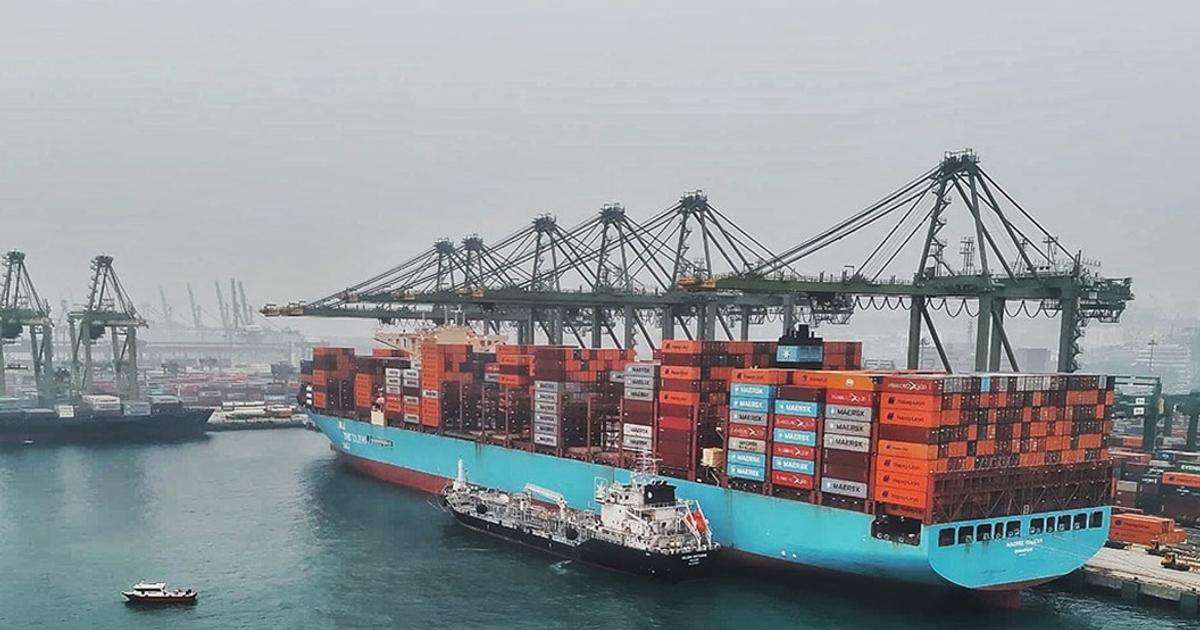
Maersk Halifax Completes Record Ethanol Bunkering In Singapore
Maersk has successfully completed a record-breaking ethanol bunkering operation at the Port of Singapore, marking a significant milestone in maritime decarbonisation efforts.
The story
in brief.
What happened, who it affects, and why it landed on our intelligence desk — in plain English, sixty seconds or less.
Maersk has successfully completed a record-breaking ethanol bunkering operation at the Port of Singapore, marking a significant milestone in maritime decarbonisation efforts. This event highlights the growing viability of biofuels as a practical alternative to traditional marine fuels. The achievement underscores the port’s readiness to handle large-scale alternative fuel logistics and demonstrates Maersk’s commitment to reducing carbon emissions across its fleet. For industry observers, this signals a tangible shift towards sustainable energy integration in global shipping, setting a precedent for future green fuel adoption in major maritime hubs.
Indicative index of skill mentions in professional job postings for the field this story moves (2019 = 1)
What this means
for your career.
Every headline redistributes opportunity. Here is who this one rewards — and how to be on the right side of it.
This development signals that sustainable maritime logistics is no longer theoretical but operational. You must prioritise skills in green fuel handling and regulatory compliance to remain competitive. Professionals in supply chain and engineering should monitor emerging standards for biofuel infrastructure. If you work in logistics, investigate how ethanol impacts vessel scheduling and cargo capacity. Upskill in sustainability management to advise clients on decarbonisation strategies. Understand the technical constraints of alternative fuels to mitigate operational risks. This shift favours those who can bridge traditional maritime knowledge with new energy systems. Start by analysing current bunker market trends and attending industry webinars on green shipping initiatives. Proactively adapt your expertise to meet the rising demand for eco-efficient maritime solutions.
For this story, the fields that convert it into pay are Maritime Logistics, Sustainability management, Supply Chain and Engineering — exactly the programmes matched below. The chart shows the indicative salary uplift certified professionals report in each of those fields; every one of them is a click away, from £79, finishing in as few as 20 days.
Indicative ranges from published continuing-education salary studies, by field — each field is a recommended course below
Enrol in these
to benefit.
These programmes position you for exactly this shift — online, self-paced, and finishing with a verifiable certificate you can share the day you pass.
 Best match
Certificate in Maritime Logistics
 Recommended
Certificate in Sustainability management
Recommended
Certificate in Supply Chain
 Recommended
Certificate in Engineering
Launch pricing shown against standard certificate value. The fee you see today is the fee you lock in.
This briefing is based on reporting by Ocean News & Technology on 19 Oct, 13:45. Read the original coverage →
Read the news. Then outrun it.
Every OnlineUni programme is online, self-paced and from £79 — so a headline today can be your credential this month.