
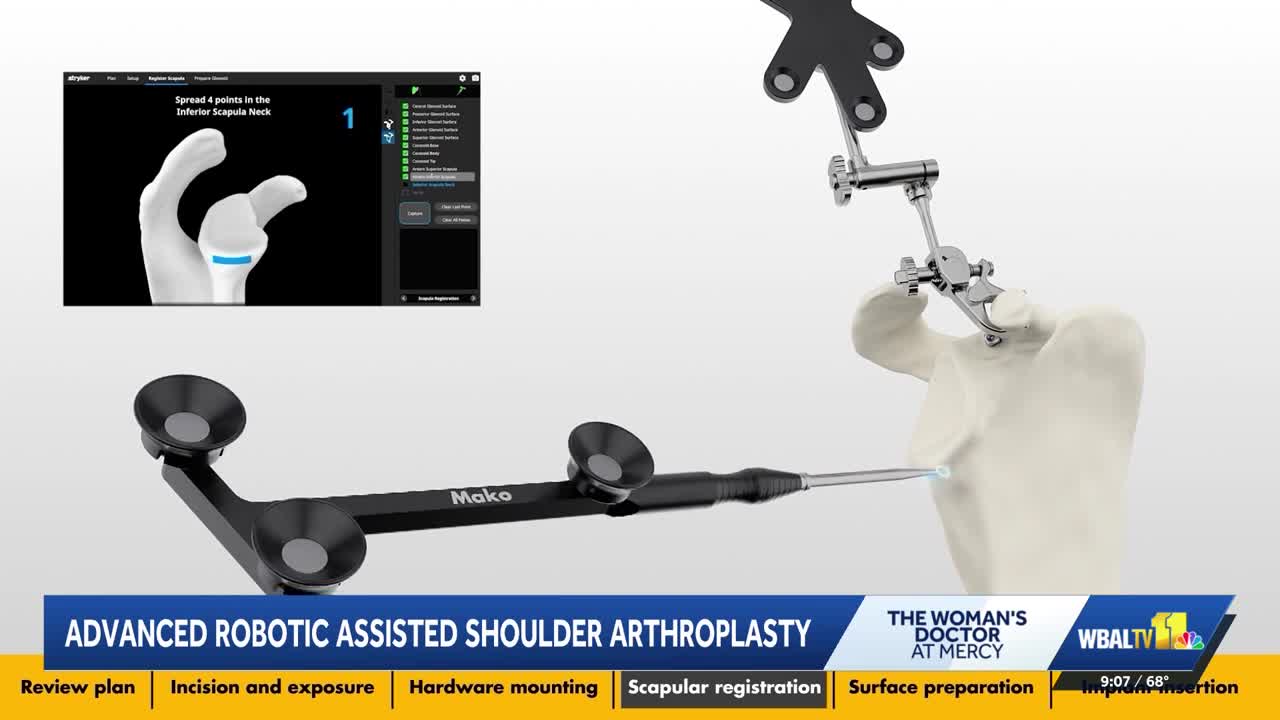
Mercy Medical Center: How new robotic technology is changing shoulder surgery
Mercy Medical Center has integrated advanced robotic technology into its shoulder surgery procedures, marking a significant shift in orthopaedic care delivery.
The story
in brief.
What happened, who it affects, and why it landed on our intelligence desk — in plain English, sixty seconds or less.
Mercy Medical Center has integrated advanced robotic technology into its shoulder surgery procedures, marking a significant shift in orthopaedic care delivery. This development highlights the growing adoption of surgical robotics to enhance precision and patient outcomes. The initiative reflects a broader trend within the healthcare sector towards minimally invasive techniques supported by digital innovation. Professionals in medical fields are observing how such technological integration alters clinical workflows, necessitating new competencies in operating and maintaining these sophisticated systems. This report details the specific applications and early results of this robotic implementation at the Baltimore-based facility.
Indicative index of skill mentions in professional job postings for the field this story moves (2019 = 1)
What this means
for your career.
Every headline redistributes opportunity. Here is who this one rewards — and how to be on the right side of it.
You must recognise that surgical robotics are no longer experimental but are becoming standard practice in orthopaedics. This shift elevates the value of technical proficiency alongside clinical expertise. Surgeons, nurses, and theatre staff must now understand robotic system operations, data interpretation, and maintenance protocols. If you work in healthcare management, you should focus on implementing these technologies efficiently while managing costs. For IT professionals, opportunities arise in maintaining the digital infrastructure supporting these devices. You should upskill in robotic surgery assistance or healthcare technology management. Ignoring this trend risks professional obsolescence. Proactively seek training in robotic systems and collaborate with engineering teams to bridge clinical and technical gaps, ensuring you remain indispensable in an increasingly automated surgical environment.
For this story, the fields that convert it into pay are Healthcare Management, Engineering, Artificial Intelligence and Healthcare Data Analytics — exactly the programmes matched below. The chart shows the indicative salary uplift certified professionals report in each of those fields; every one of them is a click away, from £79, finishing in as few as 20 days.
Indicative ranges from published continuing-education salary studies, by field — each field is a recommended course below
Enrol in these
to benefit.
These programmes position you for exactly this shift — online, self-paced, and finishing with a verifiable certificate you can share the day you pass.
 Best match
Certificate in Healthcare Management
 Recommended
Certificate in Engineering
 Recommended
Certificate in Artificial Intelligence
 Recommended
Certificate in Healthcare Data Analytics
Launch pricing shown against standard certificate value. The fee you see today is the fee you lock in.
This briefing is based on reporting by WBAL-TV on 19 Sep, 16:58. Read the original coverage →
Read the news. Then outrun it.
Every OnlineUni programme is online, self-paced and from £79 — so a headline today can be your credential this month.