
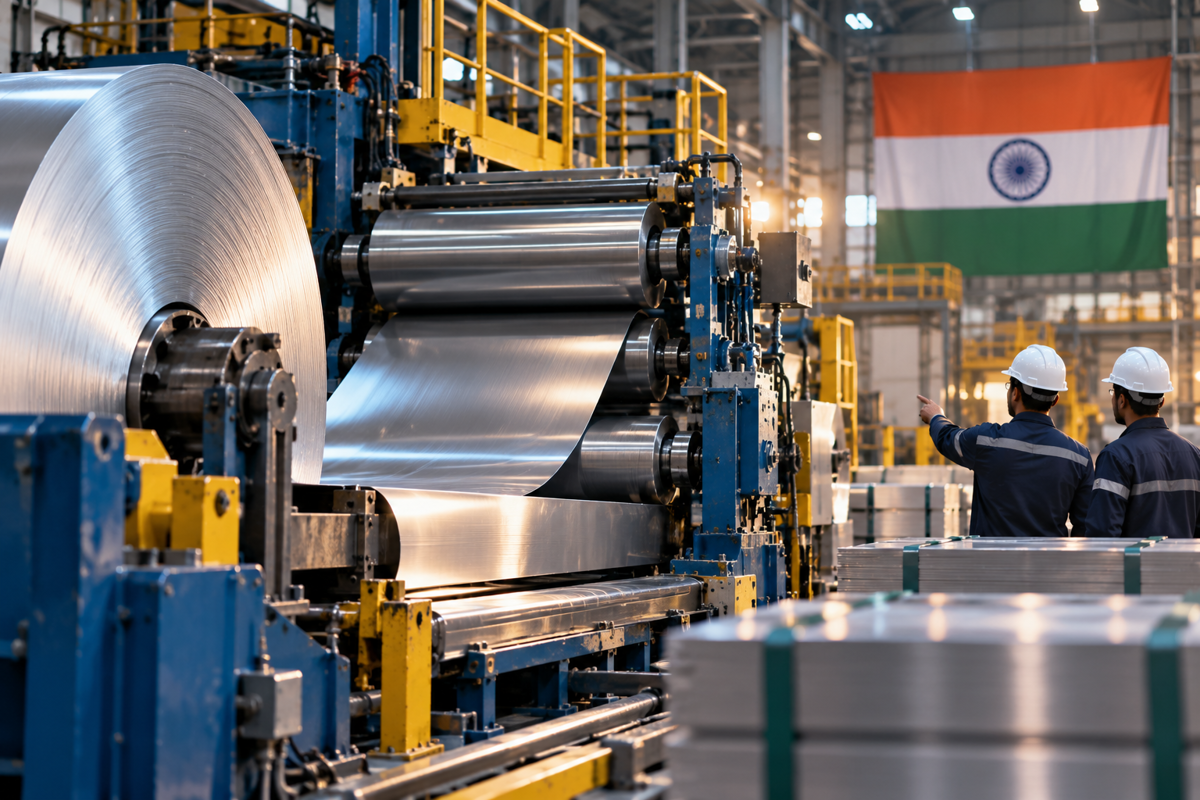
MINO strengthens India’s aluminium rolling technology as domestic investment grows
MINO has enhanced India’s aluminium rolling capabilities, responding to increased domestic investment in the sector.
The story
in brief.
What happened, who it affects, and why it landed on our intelligence desk — in plain English, sixty seconds or less.
MINO has enhanced India’s aluminium rolling capabilities, responding to increased domestic investment in the sector. This strategic move aims to reduce reliance on imports by bolstering local manufacturing infrastructure and technological proficiency. The development underscores a broader trend of industrial self-reliance, with significant capital flowing into metallurgical processing. For professionals, this signals expanding opportunities within heavy industry and advanced materials. The initiative highlights the growing importance of operational efficiency and technical innovation in sustaining competitive advantage. As domestic capacity scales, the focus shifts towards optimising production lines and integrating advanced engineering solutions to meet rising market demands effectively.
Indicative index of skill mentions in professional job postings for the field this story moves (2019 = 1)
What this means
for your career.
Every headline redistributes opportunity. Here is who this one rewards — and how to be on the right side of it.
This expansion creates immediate demand for specialists in metallurgical processes and industrial automation. You should focus on advanced materials engineering and process optimisation to remain competitive. Professionals in operations management will find new opportunities to streamline production workflows and reduce costs. Consider upskilling in lean manufacturing principles and quality control systems, as these are critical for scaling domestic output. Engineers with expertise in rolling technology and mechanical systems will see heightened relevance. Strategic leaders should monitor supply chain dynamics within the aluminium sector, identifying gaps in local capacity. Investing in certifications related to industrial safety and sustainable manufacturing practices will further distinguish your profile. Proactively network with industry stakeholders to understand emerging technical requirements and secure roles in this growing domestic market.
For this story, the fields that convert it into pay are Engineering, Supply Chain, Project Management and Occupational Health And Safety — exactly the programmes matched below. The chart shows the indicative salary uplift certified professionals report in each of those fields; every one of them is a click away, from £79, finishing in as few as 20 days.
Indicative ranges from published continuing-education salary studies, by field — each field is a recommended course below
Enrol in these
to benefit.
These programmes position you for exactly this shift — online, self-paced, and finishing with a verifiable certificate you can share the day you pass.
 Best match
Certificate in Engineering
 Recommended
Certificate in Supply Chain
 Recommended
Certificate in Project Management
 Recommended
Certificate in Occupational Health And Safety
Launch pricing shown against standard certificate value. The fee you see today is the fee you lock in.
This briefing is based on reporting by AL Circle on 11 Oct, 08:15. Read the original coverage →
Read the news. Then outrun it.
Every OnlineUni programme is online, self-paced and from £79 — so a headline today can be your credential this month.