
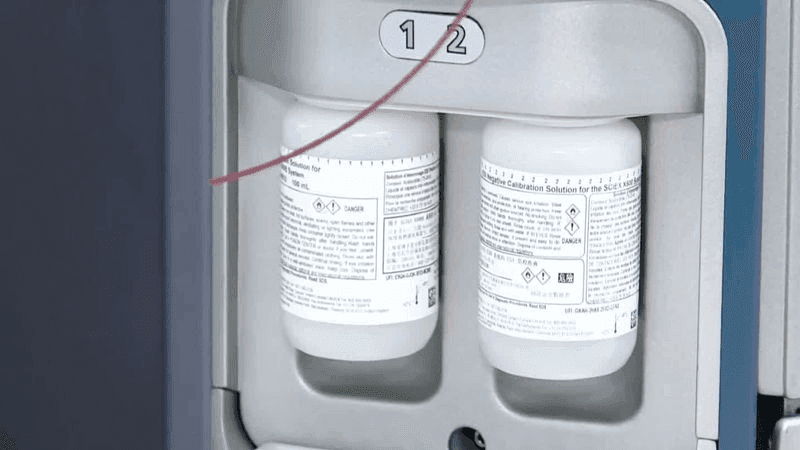
Montana Crime Lab uses new technology to keep pace with changing drug landscape
Montana crime laboratories are adopting advanced analytical technologies to address the evolving complexity of illicit substances.
The story
in brief.
What happened, who it affects, and why it landed on our intelligence desk — in plain English, sixty seconds or less.
Montana crime laboratories are adopting advanced analytical technologies to address the evolving complexity of illicit substances. This strategic upgrade enables forensic scientists to identify novel synthetic drugs and emerging chemical threats with greater speed and accuracy. The initiative reflects a broader trend in public safety sectors, where traditional methods struggle against rapidly changing criminal methodologies. By integrating modern instrumentation, these labs aim to maintain evidential integrity and support law enforcement investigations effectively. This development underscores the critical need for continuous technological adaptation in forensic science to ensure justice systems remain robust against sophisticated drug manufacturing techniques.
Indicative index of skill mentions in professional job postings for the field this story moves (2019 = 1)
What this means
for your career.
Every headline redistributes opportunity. Here is who this one rewards — and how to be on the right side of it.
This shift signals that technical proficiency in advanced analytical instrumentation is becoming non-negotiable for forensic professionals. You must prioritise continuous upskilling in mass spectrometry, chromatography, and data interpretation to remain competitive. Roles requiring cross-disciplinary knowledge, blending chemistry with digital data management, will rise in value. If you work in public safety or laboratory management, you should audit your team’s technical capabilities immediately. Invest in training that bridges traditional forensic science with modern data analytics. Professionals who can interpret complex chemical data while understanding legal evidentiary standards will lead this sector. Stay ahead by mastering the latest software tools used in forensic analysis, ensuring you can translate raw data into actionable intelligence for criminal investigations efficiently.
For this story, the fields that convert it into pay are Data Science, Cyber Security, Law and Chemistry — exactly the programmes matched below. The chart shows the indicative salary uplift certified professionals report in each of those fields; every one of them is a click away, from £79, finishing in as few as 20 days.
Indicative ranges from published continuing-education salary studies, by field — each field is a recommended course below
Enrol in these
to benefit.
These programmes position you for exactly this shift — online, self-paced, and finishing with a verifiable certificate you can share the day you pass.
 Best match
Certificate in Data Science
 Recommended
Certificate in Cyber Security
 Recommended
Certificate in Law
Recommended
Certificate in Chemistry
Launch pricing shown against standard certificate value. The fee you see today is the fee you lock in.
This briefing is based on reporting by NBC Montana on 24 Sep, 13:13. Read the original coverage →
Read the news. Then outrun it.
Every OnlineUni programme is online, self-paced and from £79 — so a headline today can be your credential this month.