
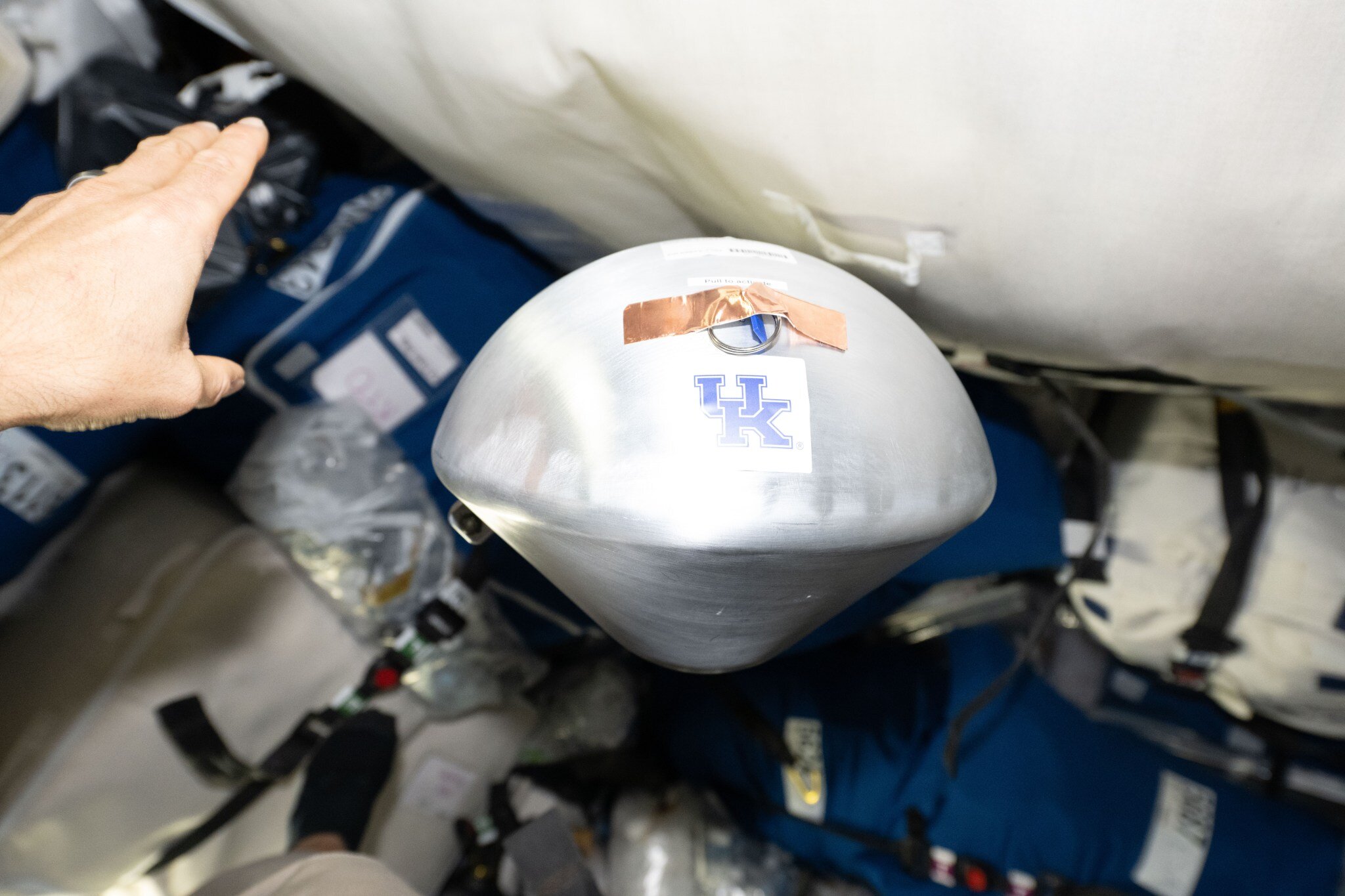
NASA demonstrates next-generation heat shield technologies
NASA has successfully demonstrated advanced heat shield technologies designed for future deep-space missions.
The story
in brief.
What happened, who it affects, and why it landed on our intelligence desk — in plain English, sixty seconds or less.
NASA has successfully demonstrated advanced heat shield technologies designed for future deep-space missions. The trials focus on materials capable of withstanding extreme thermal conditions during planetary entry. This development supports upcoming crewed expeditions to Mars and other celestial bodies. The testing validates new ablative materials and structural designs. These innovations aim to enhance safety and reliability for spacecraft returning from high-velocity re-entry. The programme underscores the agency’s commitment to sustainable exploration. Engineers and scientists involved have proven the efficacy of these next-generation systems. This milestone facilitates the transition from theoretical models to practical application. It represents a significant step towards enabling long-duration human spaceflight. The results provide critical data for future mission planning.
Indicative index of skill mentions in professional job postings for the field this story moves (2019 = 1)
What this means
for your career.
Every headline redistributes opportunity. Here is who this one rewards — and how to be on the right side of it.
This breakthrough signals heightened demand for specialists in advanced materials and thermal engineering. You should prioritise upskilling in computational fluid dynamics and high-temperature material science. Professionals in aerospace manufacturing must adapt to new fabrication techniques. Project managers need to understand complex technical dependencies better. Consider obtaining certifications in risk assessment for critical systems. Engineers should focus on simulation tools that model extreme environments. This shift favours those who bridge theoretical physics with practical application. You must demonstrate adaptability to rapid technological iteration. Networking with defence and space contractors becomes essential. Stay informed on regulatory changes governing space debris and safety. Investing in continuous learning ensures you remain relevant in this evolving sector. Proactive skill development positions you for leadership in emerging space industries.
For this story, the fields that convert it into pay are Engineering, Project Management, Risk Management Strategies and Innovation — exactly the programmes matched below. The chart shows the indicative salary uplift certified professionals report in each of those fields; every one of them is a click away, from £79, finishing in as few as 20 days.
Indicative ranges from published continuing-education salary studies, by field — each field is a recommended course below
Enrol in these
to benefit.
These programmes position you for exactly this shift — online, self-paced, and finishing with a verifiable certificate you can share the day you pass.
 Best match
Certificate in Engineering
 Recommended
Certificate in Project Management
Recommended
Certificate in Risk Management Strategies
 Recommended
Certificate in Innovation
Launch pricing shown against standard certificate value. The fee you see today is the fee you lock in.
This briefing is based on reporting by Phys.org on 12 Oct, 18:40. Read the original coverage →
Read the news. Then outrun it.
Every OnlineUni programme is online, self-paced and from £79 — so a headline today can be your credential this month.