
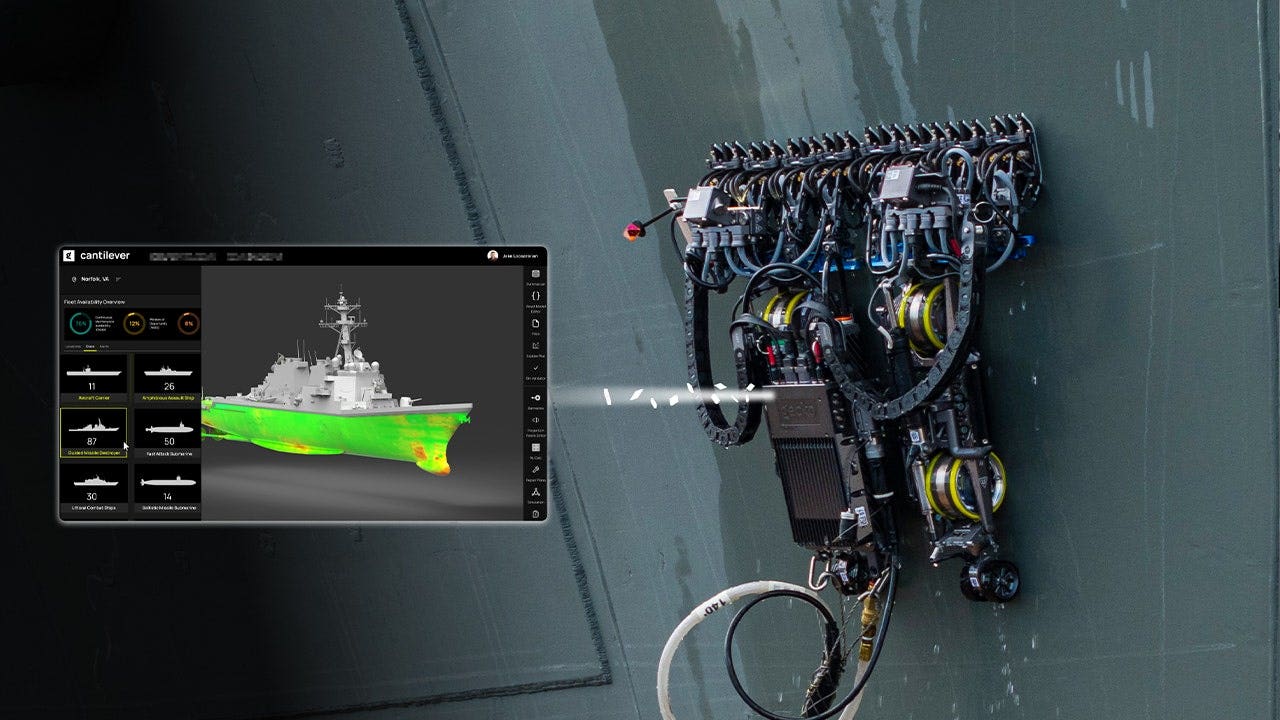
Navy robot deal quadruples as US looks to ‘outsmart’ China with AI at sea
The United States Navy has significantly expanded its investment in autonomous underwater systems, quadrupling a recent contract to develop advanced robotic capabilities.
The story
in brief.
What happened, who it affects, and why it landed on our intelligence desk — in plain English, sixty seconds or less.
The United States Navy has significantly expanded its investment in autonomous underwater systems, quadrupling a recent contract to develop advanced robotic capabilities. This strategic shift aims to leverage artificial intelligence to counter Chinese naval advancements effectively. The initiative focuses on deploying intelligent machines that can operate independently or alongside human crews in maritime environments. For professionals, this signals a substantial increase in demand for expertise in defence technology, autonomous systems, and naval strategy. The move reflects a broader global trend where military powers are prioritising technological superiority through AI integration, creating new opportunities in specialised engineering and strategic planning sectors.
Indicative index of skill mentions in professional job postings for the field this story moves (2019 = 1)
What this means
for your career.
Every headline redistributes opportunity. Here is who this one rewards — and how to be on the right side of it.
This development elevates the value of technical skills in robotics, machine learning, and maritime engineering. Professionals in defence contracting, naval architecture, and AI development should pay close attention to emerging opportunities in autonomous systems. You should consider upskilling in areas like sensor fusion, underwater navigation algorithms, and defence procurement processes. If you work in strategic planning, understanding the geopolitical implications of AI in military contexts will become increasingly vital. A smart professional would network with defence technology firms and explore certifications in autonomous systems or cyber-physical security. Additionally, those in project management within the defence sector should prepare for complex, multi-disciplinary programmes involving hardware and software integration. Staying informed about regulatory frameworks governing autonomous weapons will also position you advantageously.
For this story, the fields that convert it into pay are Artificial Intelligence, Engineering, Maritime Logistics and Cyber Security — exactly the programmes matched below. The chart shows the indicative salary uplift certified professionals report in each of those fields; every one of them is a click away, from £79, finishing in as few as 20 days.
Indicative ranges from published continuing-education salary studies, by field — each field is a recommended course below
Enrol in these
to benefit.
These programmes position you for exactly this shift — online, self-paced, and finishing with a verifiable certificate you can share the day you pass.
 Best match
Certificate in Artificial Intelligence
 Recommended
Certificate in Engineering
 Recommended
Certificate in Maritime Logistics
 Recommended
Certificate in Cyber Security
Launch pricing shown against standard certificate value. The fee you see today is the fee you lock in.
This briefing is based on reporting by Fox News on 20 Oct, 09:00. Read the original coverage →
Read the news. Then outrun it.
Every OnlineUni programme is online, self-paced and from £79 — so a headline today can be your credential this month.