
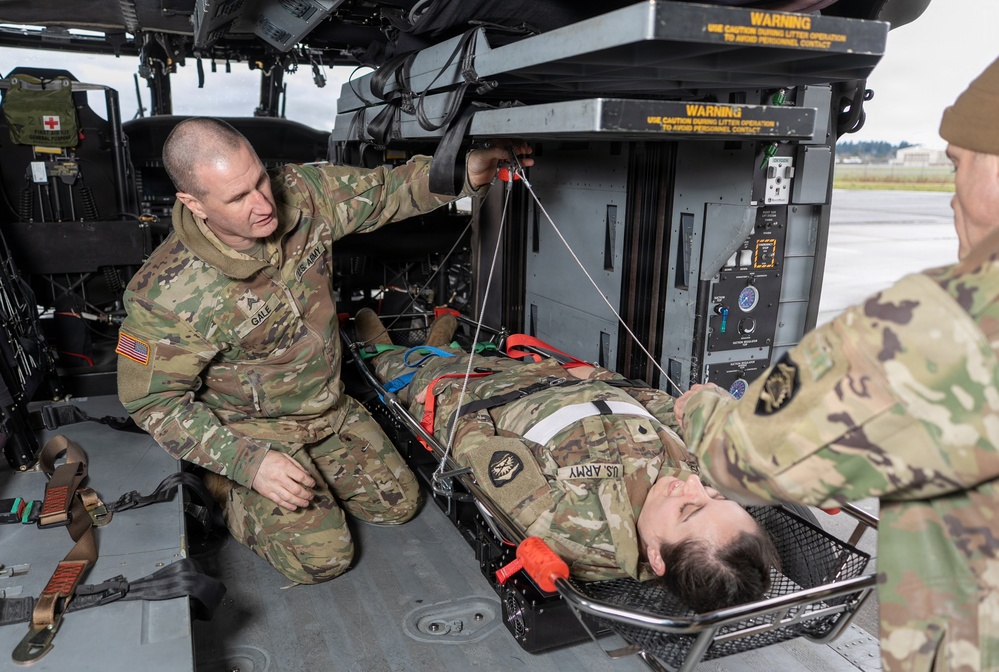
News - Oregon National Guard uses new hoist technology in live mountain rescue
The Oregon National Guard has deployed advanced hoist technology during a live mountain rescue operation, demonstrating significant improvements in operational capability.
The story
in brief.
What happened, who it affects, and why it landed on our intelligence desk — in plain English, sixty seconds or less.
The Oregon National Guard has deployed advanced hoist technology during a live mountain rescue operation, demonstrating significant improvements in operational capability. This initiative highlights the integration of modern engineering solutions into emergency response protocols. By utilising this new equipment, personnel can execute complex extrications in challenging terrain with greater efficiency and safety. The successful deployment underscores the military’s commitment to adopting cutting-edge tools to enhance mission effectiveness. This development serves as a practical case study for organisations seeking to modernise their operational procedures through technological adoption, illustrating how specific hardware innovations can directly impact field performance and personnel safety in high-stakes environments.
Indicative index of skill mentions in professional job postings for the field this story moves (2019 = 1)
What this means
for your career.
Every headline redistributes opportunity. Here is who this one rewards — and how to be on the right side of it.
This development signals that technical proficiency in emergency systems and advanced equipment is becoming increasingly critical for safety-critical roles. If you work in public safety, logistics, or engineering, you must understand how new technologies integrate into existing protocols. Professionals who can bridge the gap between technical innovation and practical field application will find their skills highly valued. You should actively seek training in crisis response and technical safety standards. Consider upskilling in crisis management to demonstrate your ability to handle high-pressure situations effectively. Additionally, familiarise yourself with the latest safety regulations and equipment certifications. By positioning yourself as someone who can implement and manage these technological advancements, you become indispensable to organisations prioritising operational resilience and personnel safety in hazardous environments.
For this story, the fields that convert it into pay are Crisis Management, Occupational Health And Safety, Engineering and Risk Management Strategies — exactly the programmes matched below. The chart shows the indicative salary uplift certified professionals report in each of those fields; every one of them is a click away, from £79, finishing in as few as 20 days.
Indicative ranges from published continuing-education salary studies, by field — each field is a recommended course below
Enrol in these
to benefit.
These programmes position you for exactly this shift — online, self-paced, and finishing with a verifiable certificate you can share the day you pass.
 Best match
Certificate in Crisis Management
 Recommended
Certificate in Occupational Health And Safety
 Recommended
Certificate in Engineering
Recommended
Certificate in Risk Management Strategies
Launch pricing shown against standard certificate value. The fee you see today is the fee you lock in.
This briefing is based on reporting by DVIDS on 14 Sep, 21:26. Read the original coverage →
Read the news. Then outrun it.
Every OnlineUni programme is online, self-paced and from £79 — so a headline today can be your credential this month.