
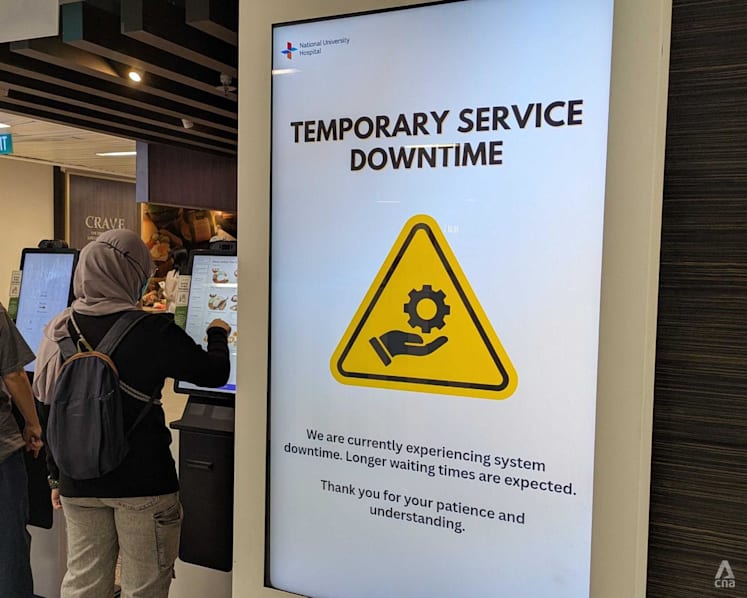
No indication of cyberattack in system disruptions across Singapore public healthcare institutions: Health tech agency
Singapore’s health technology agency has confirmed that recent system disruptions affecting public healthcare institutions were not caused by a cyberattack.
The story
in brief.
What happened, who it affects, and why it landed on our intelligence desk — in plain English, sixty seconds or less.
Singapore’s health technology agency has confirmed that recent system disruptions affecting public healthcare institutions were not caused by a cyberattack. The official statement clarifies the nature of the technical failures, alleviating immediate security concerns for patients and staff. This development underscores the critical importance of distinguishing between malicious cyber incidents and operational technical faults. For professionals, it highlights the ongoing complexity of maintaining robust digital infrastructure within essential public services, requiring clear communication and precise technical diagnostics to manage public perception and ensure continuity of care during unexpected service interruptions.
Indicative index of skill mentions in professional job postings for the field this story moves (2019 = 1)
What this means
for your career.
Every headline redistributes opportunity. Here is who this one rewards — and how to be on the right side of it.
This news reinforces the critical value of resilience and crisis communication in essential services. As a professional, you should recognise that technical stability is now a core leadership competency, not merely an IT concern. Skills in incident response, stakeholder management, and operational continuity are rising sharply in value. Focus on understanding how to communicate technical failures clearly to non-technical audiences. If you work in healthcare or public sector tech, prioritise training in risk mitigation and business continuity planning. Smart professionals will proactively study system redundancy strategies and crisis leadership frameworks. This demonstrates your ability to maintain service integrity under pressure, making you indispensable to organisations navigating complex digital transformations where uptime is non-negotiable for public trust.
For this story, the fields that convert it into pay are Cyber Security, Crisis Management, Healthcare Management and Cloud Computing — exactly the programmes matched below. The chart shows the indicative salary uplift certified professionals report in each of those fields; every one of them is a click away, from £79, finishing in as few as 20 days.
Indicative ranges from published continuing-education salary studies, by field — each field is a recommended course below
Enrol in these
to benefit.
These programmes position you for exactly this shift — online, self-paced, and finishing with a verifiable certificate you can share the day you pass.
 Best match
Certificate in Cyber Security
 Recommended
Certificate in Crisis Management
 Recommended
Certificate in Healthcare Management
 Recommended
Certificate in Cloud Computing
Launch pricing shown against standard certificate value. The fee you see today is the fee you lock in.
This briefing is based on reporting by CNA on 13 Oct, 02:28. Read the original coverage →
Read the news. Then outrun it.
Every OnlineUni programme is online, self-paced and from £79 — so a headline today can be your credential this month.